Arroyo Colorado Watershed Protection
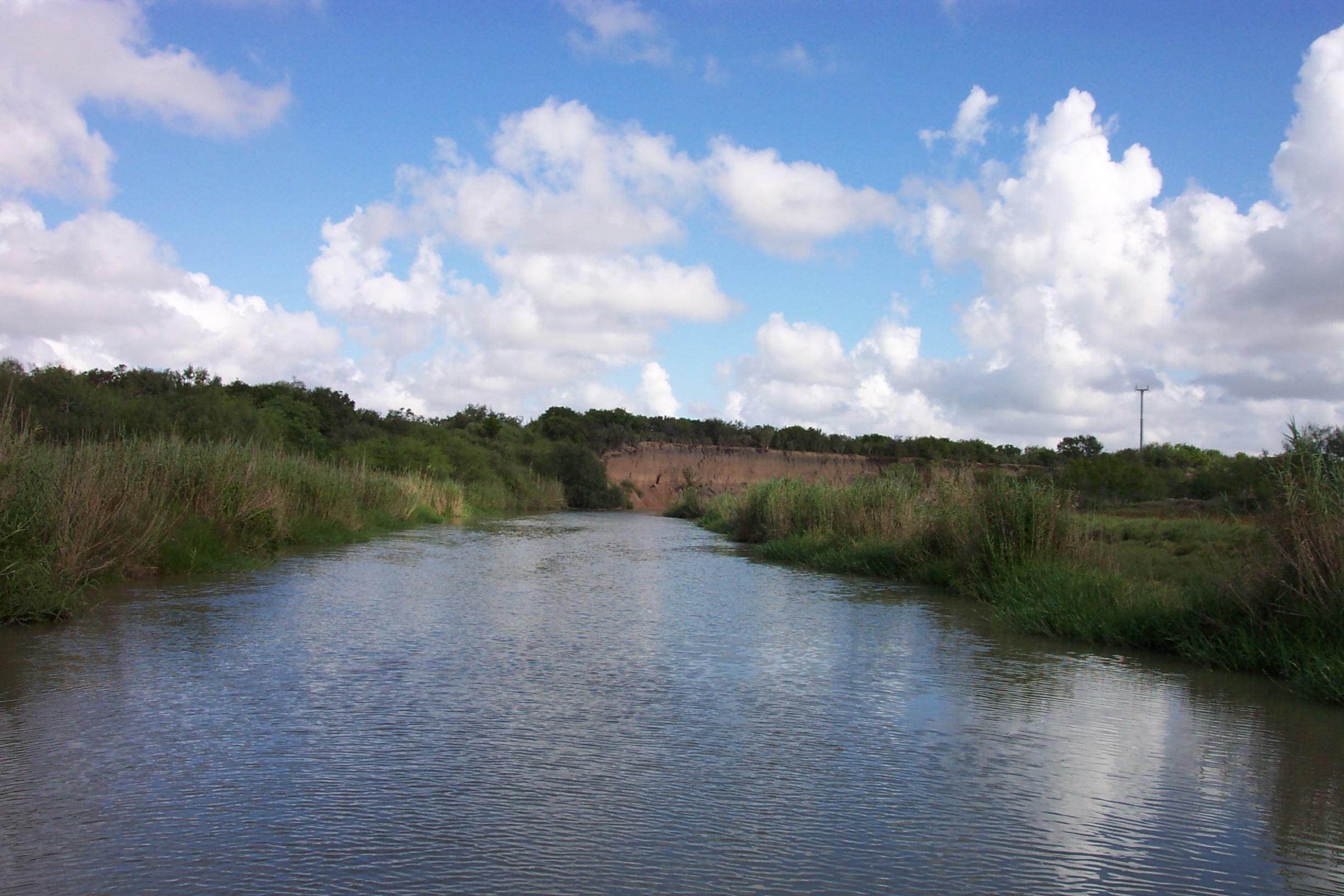
We coordinate projects directed toward implementing the watershed protection plan and restoring the Arroyo Colorado.
Attoyac Bayou Watershed
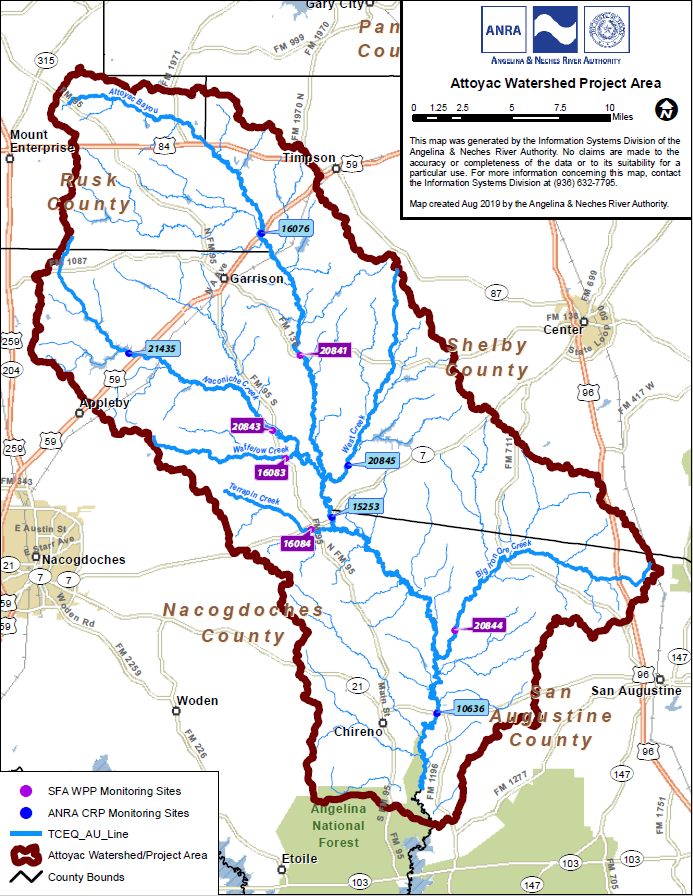
We have worked with watershed stakeholders and others to develop a watershed protection plan that includes management recommendations for E. coli sources that are practical to manage and acceptable to stakeholders.

Big Elm Creek
We are addressing the E. coli impairment within the Big Elm Creek watershed by supplementing an existing dataset with bacteria and flow data for later decision making by stakeholders.
Mid & Lower Cibolo Creek Watershed
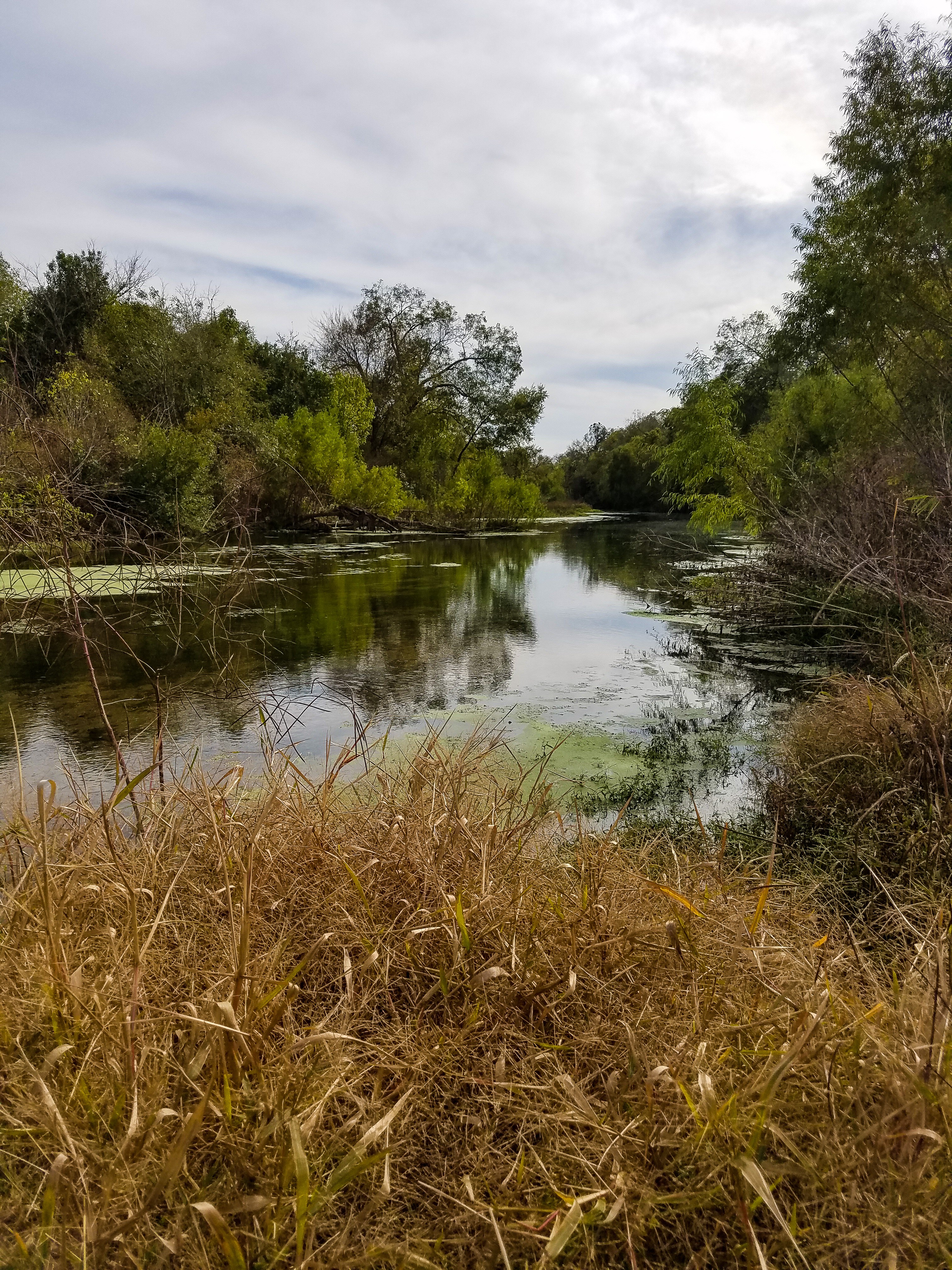
We are working with the San Antonio River Authority and stakeholders to implement a watershed protection plan.
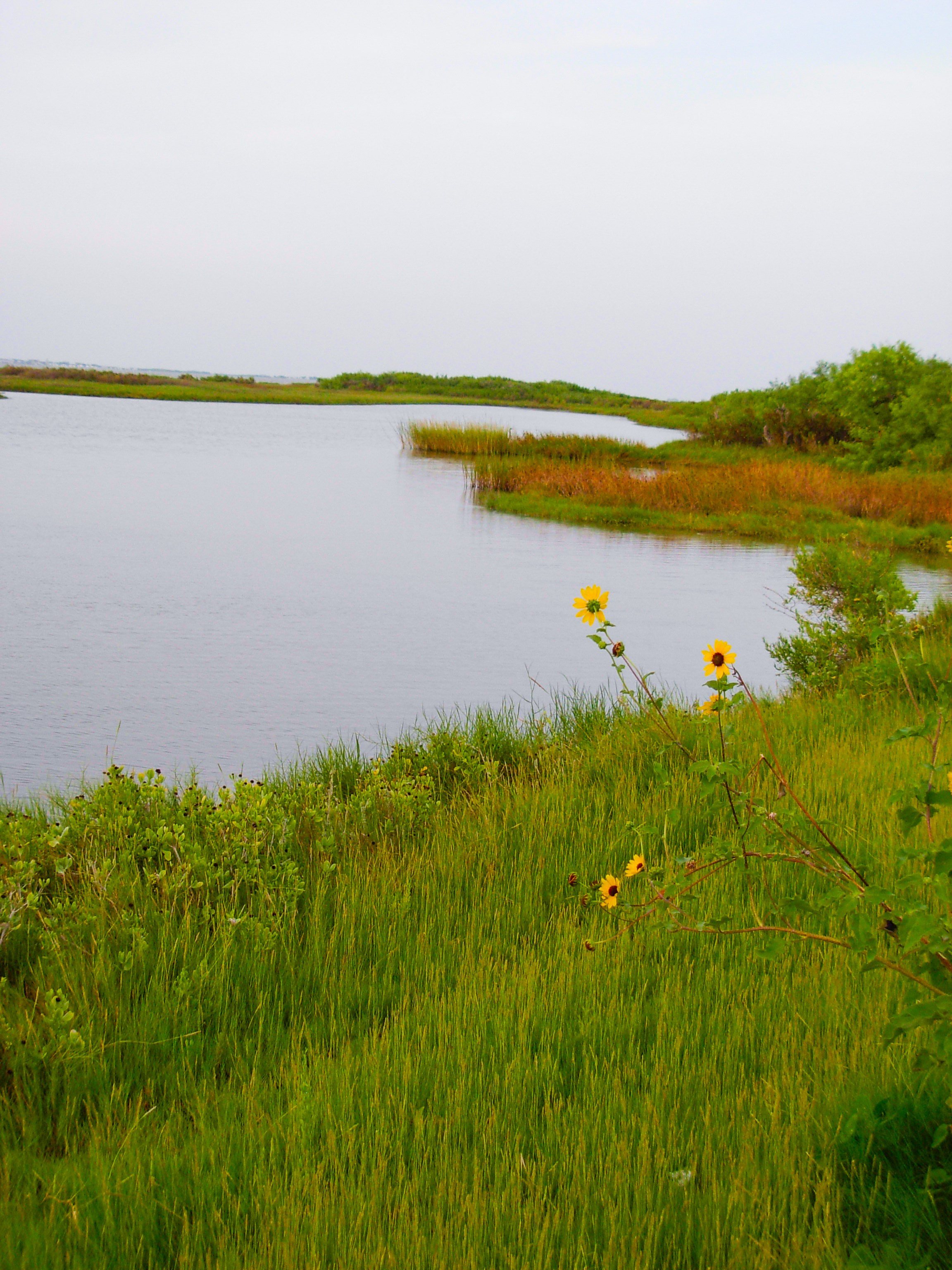
Copano Bay Watershed
TWRI is working with local stakeholders and state agencies in the Mission and Aransas rivers watersheds, the two primary freshwater contributors to Copano Bay watershed.

Matagorda Basin Water Quality
We are working with communities within Matagorda Basin watersheds to address water quality concerns.

Davidson Creek & Deer Creek Water Quality
We are collecting water quality data and educating local stakeholders on the water quality concerns in these watersheds.
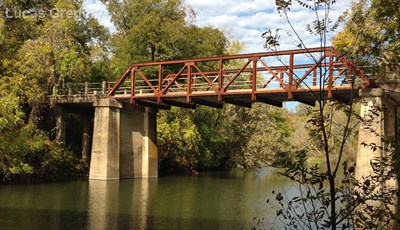
Navasota River Water Quality Improvement
We are working with watershed stakeholders to address water quality concerns and improve watershed health and function.

Neches River Basin
We are working with communities within Angelina and Neches Basin watersheds to address water quality concerns.

Texas Bacterial Source Tracking Program
We are working with Texas A&M University and the University of Texas Health Science Center to expand the Texas E. coli BST library to enable identification of E. coli sources statewide.

Thompsons Creek Watershed
We are working with stakeholders to address water quality concerns for bacteria in the Thompsons Creek watershed.
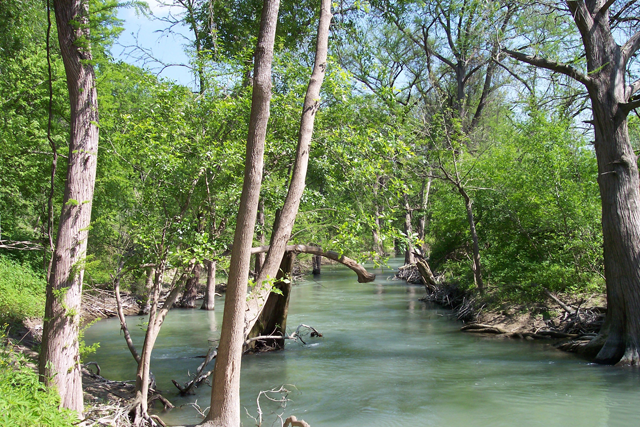
Medina River Watershed
We are partnering with the San Antonio River Authority to develop a stakeholder-driven watershed protection plan to address water quality trends and issues throughout the Medina River watershed.
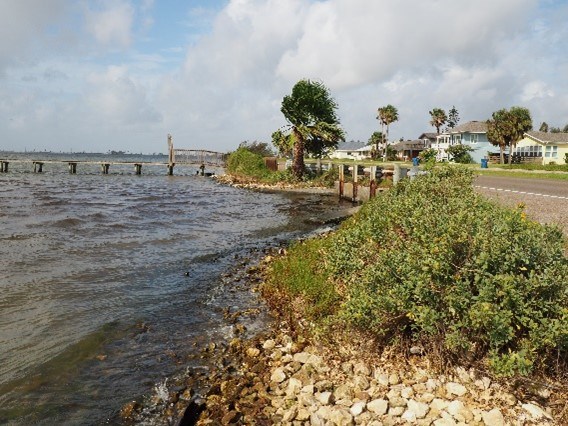
Evaluating Health Risks in Little Bay
Little Bay is a shallow estuary situated within Aransas Bay on the Texas Gulf Coast. This bay, recognized as a “gem of the Texas Coast,” attracts tourists from across the state to the Rockport/Fulton area and is a popular spot for swimming, boating, fishing, viewing wildlife, and more.
Middle Yegua
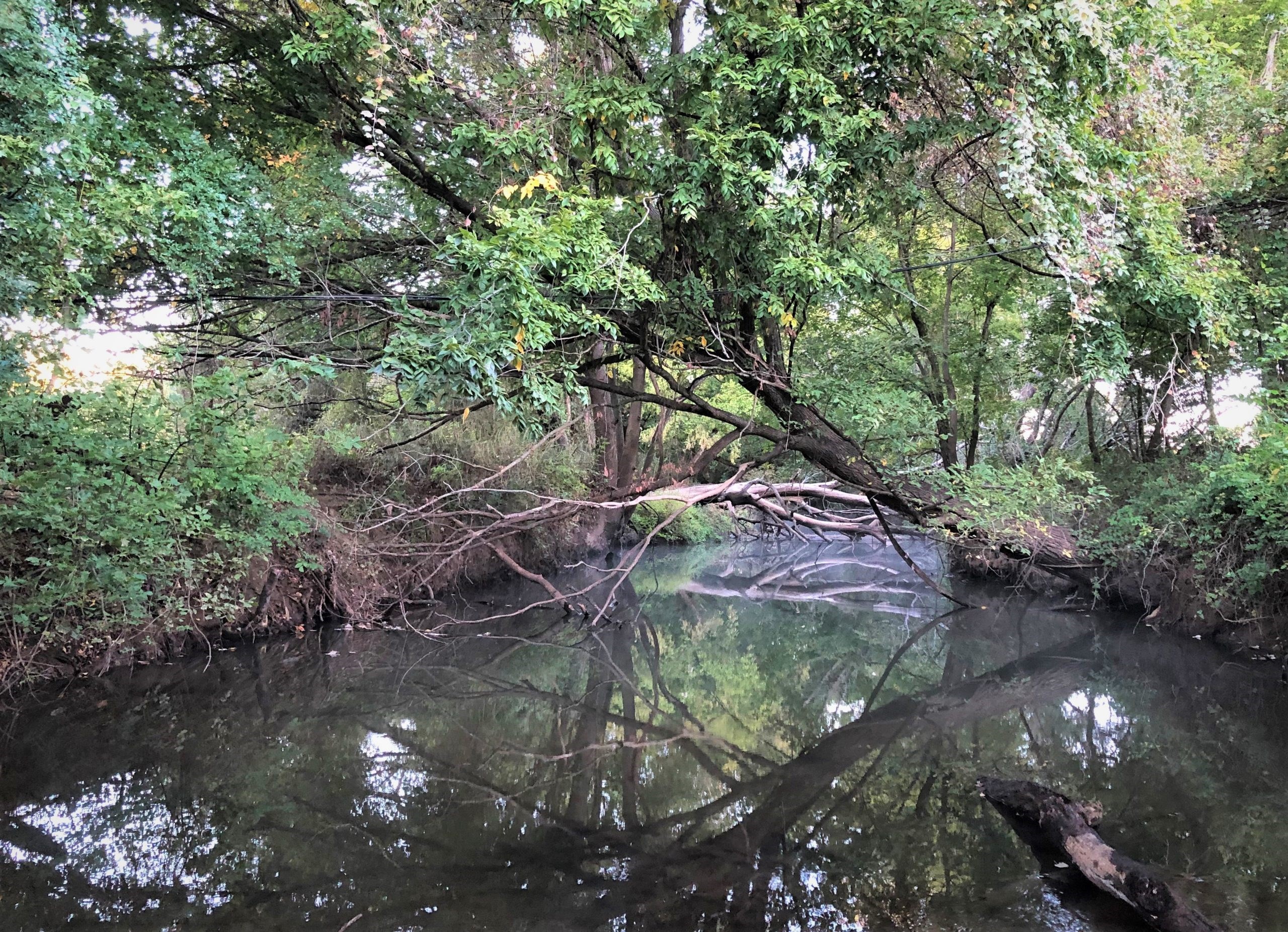
Middle Yegua Creek above Lake Somerville is a tributary in the Brazos River Basin. In 2010, the creek was first identified as impaired for primary contact recreation use, such as swimming and skin-diving, due to elevated E. coli concentrations.
Ogallala Aquifer Program
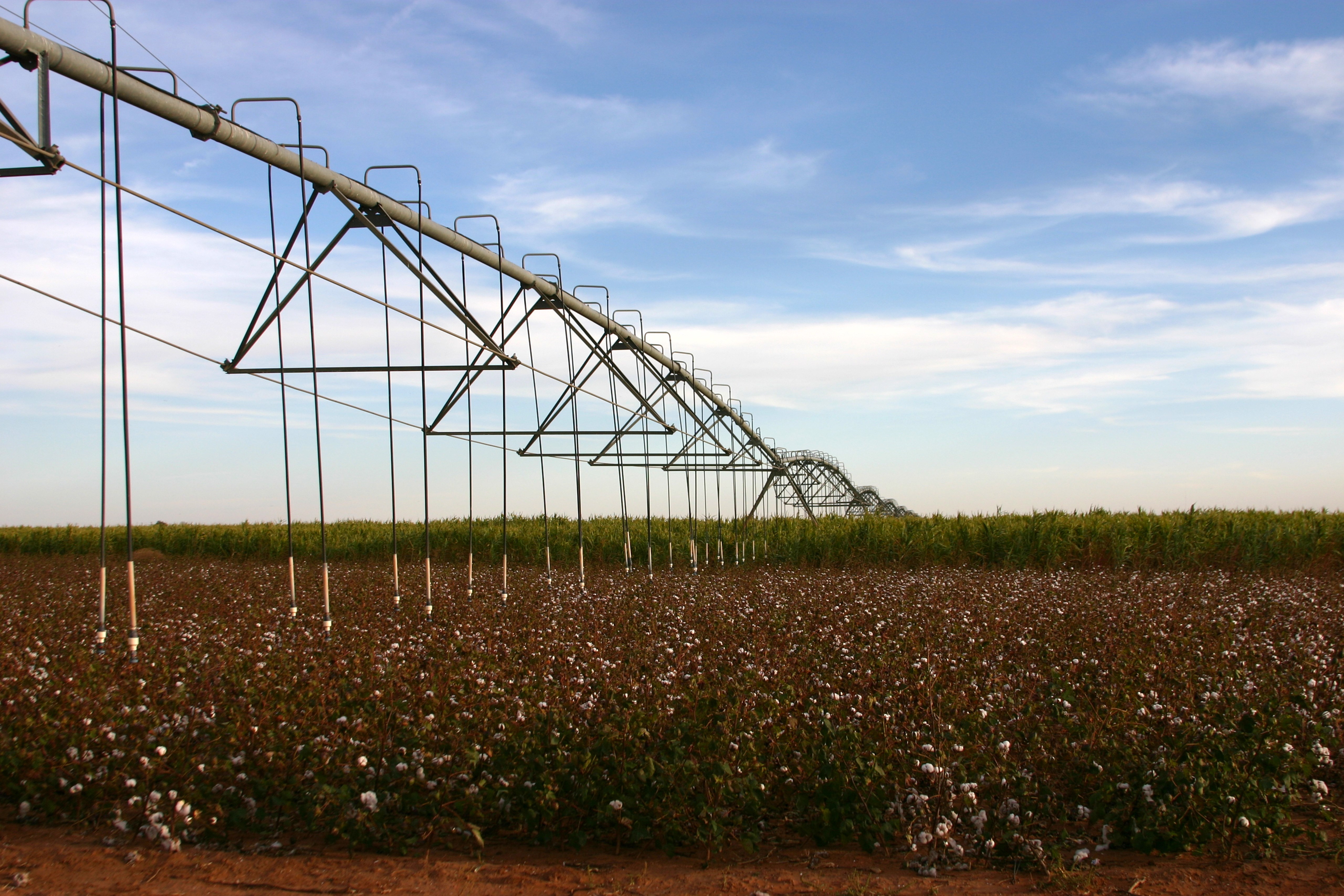
Since 2003, the Ogallala Aquifer Program (OAP) has provided permanent federal funding to a research consortium for numerous research projects on water conservation.
Transboundary Water Portal
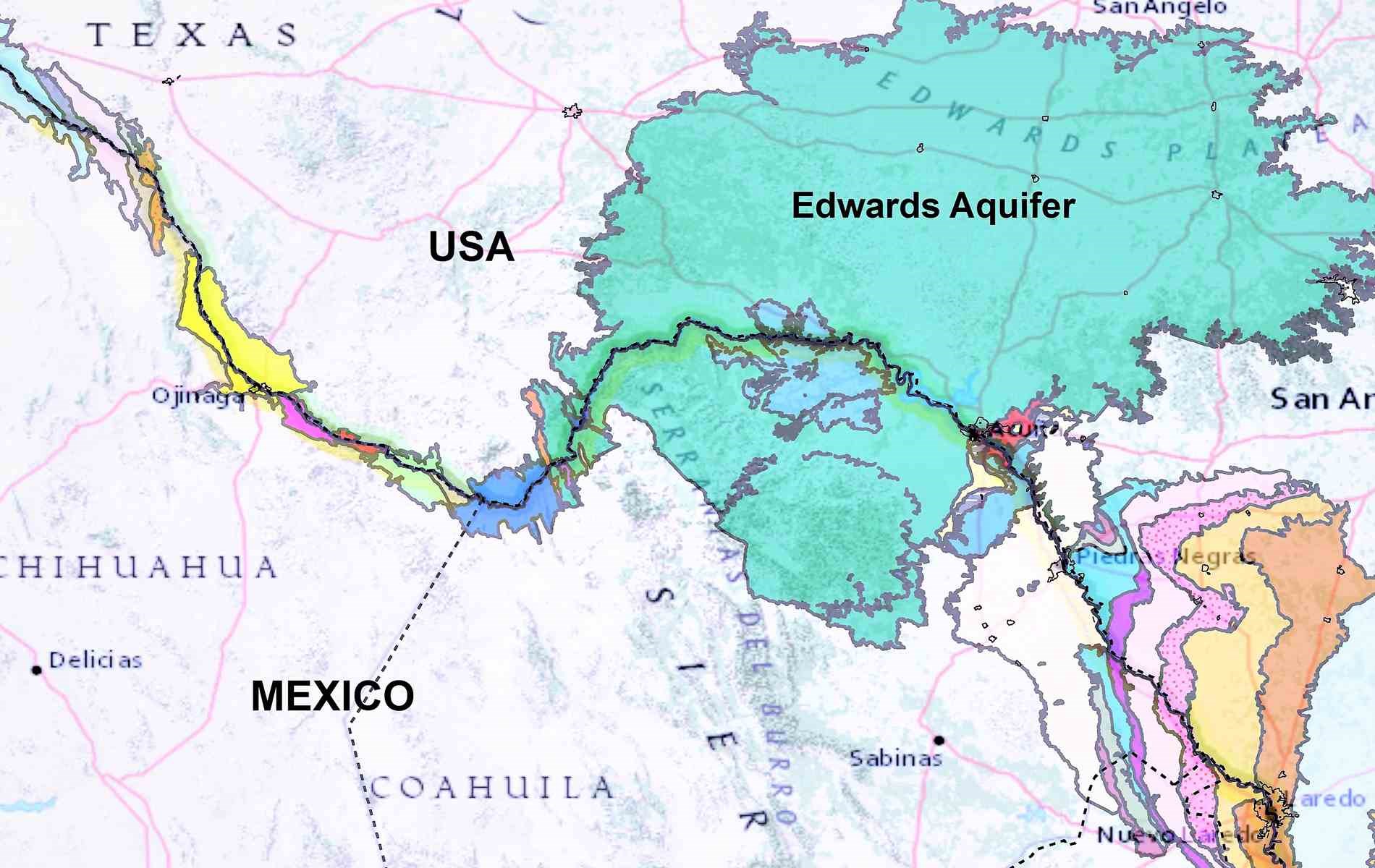
The Transboundary Water Portal is a data center created by the Texas Water Resources Institute to integrate and share data related to transboundary surface water and groundwater resources between Mexico and the United States.
Southern Great Plains Regenerative Agriculture
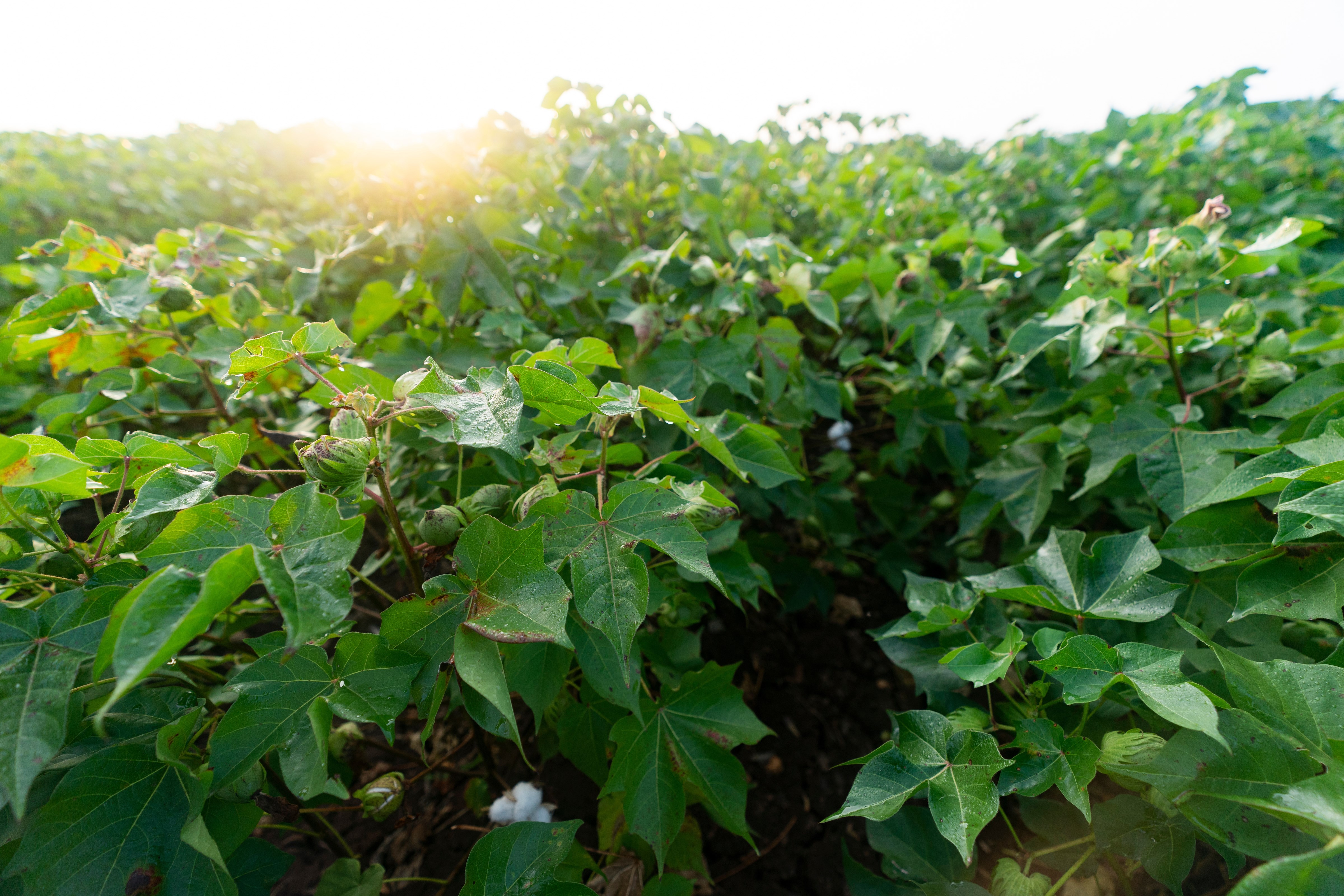
This multi-disciplinary and multi-institution research project is investigating regenerative agricultural practices to increase the agricultural sustainability of the Southern Great Plains in cotton production systems.
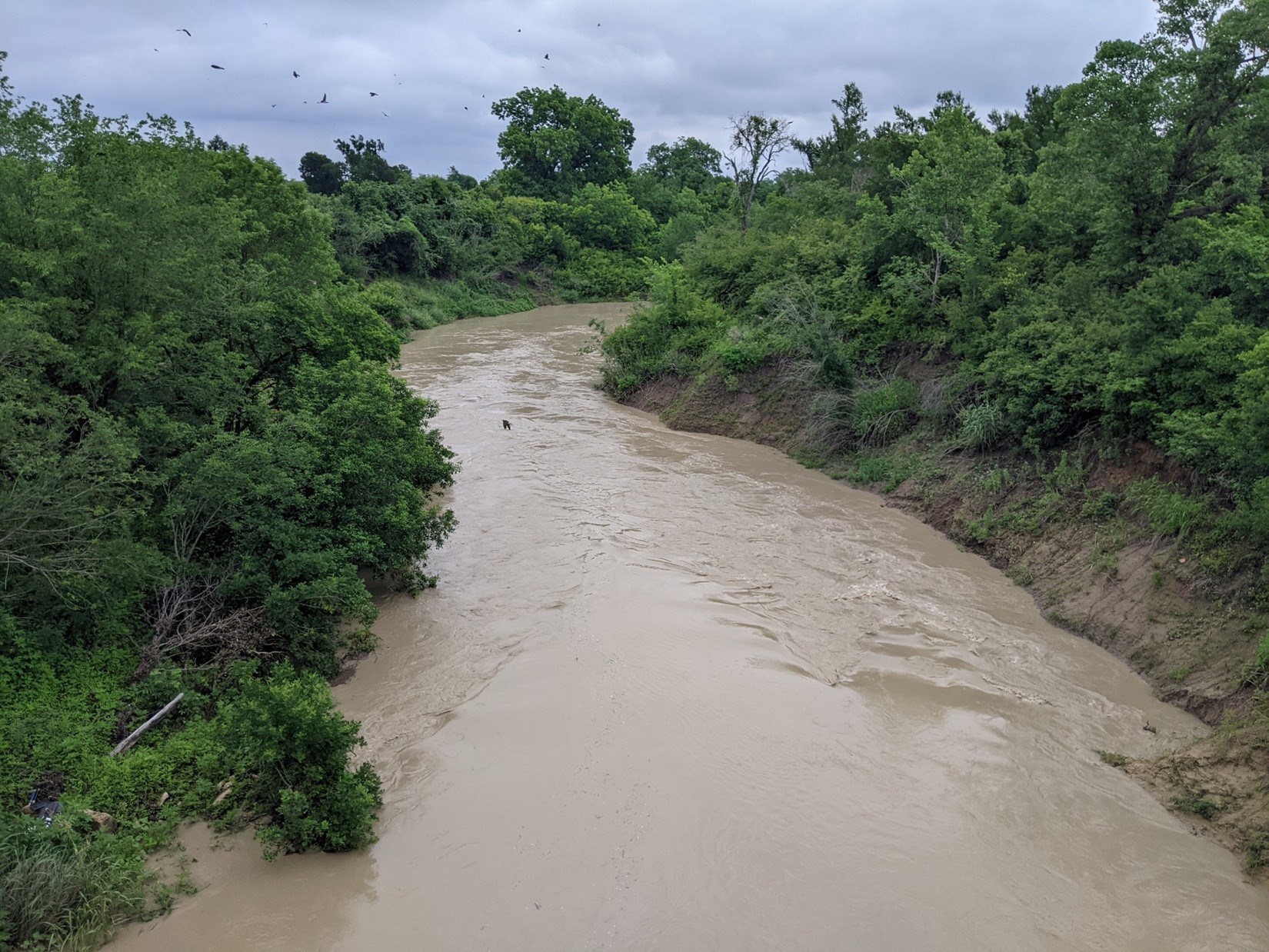
Pond Creek Characterization
Pond Creek is a tributary of the Brazos River that flows southeast through Bell, Falls, and Milam counties. This project aims to improve water quality in Pond Creek through data collection and analysis, public education, and community engagement.
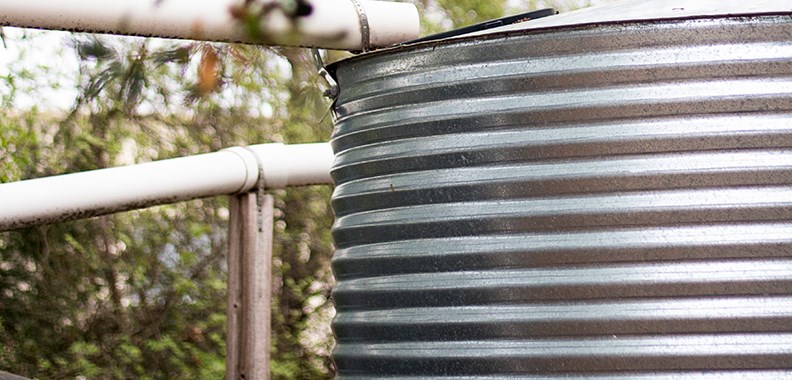
Healthy Lawns & Healthy Waters
The Healthy Lawns and Healthy Waters Program aims to improve and protect surface water quality by enhancing awareness and knowledge of best management practices for residential landscape.
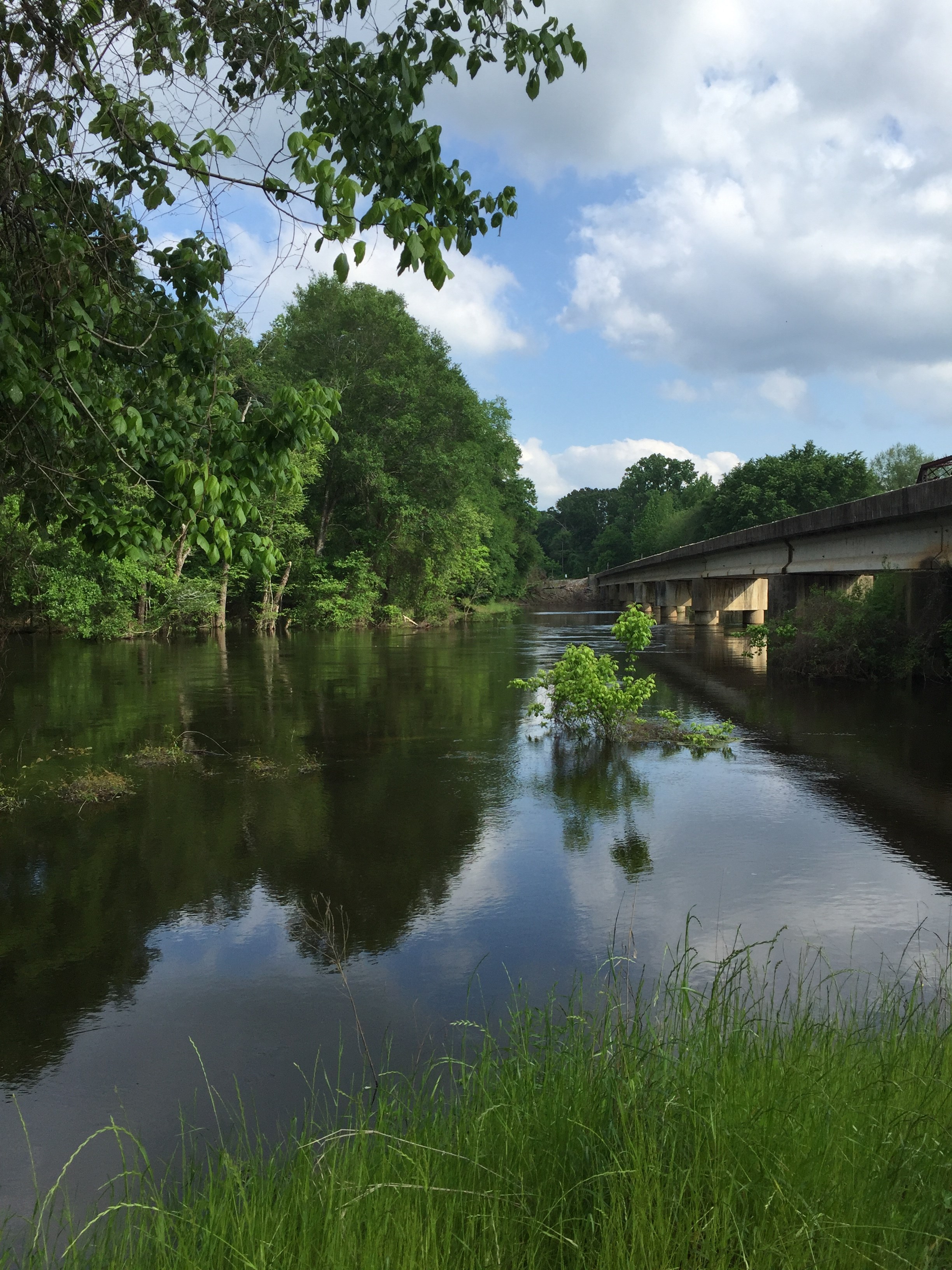
Texas Riparian & Stream Ecosystem Education Program
These trainings work to facilitate the promotion of healthy watersheds and improve water quality through the delivery of riparian and stream ecosystem education programs with a focus on priority watersheds.
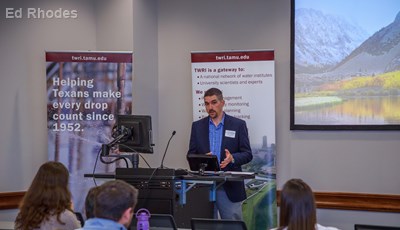
Texas Watershed Planning
We provide training and promote sustainable proactive approaches to managing water quality throughout the state.

Texas Well Owner Network
The Texas Well Owner Network educates private well owners about potential pollutant sources and what steps can be taken to lessen potential impacts from these sources.
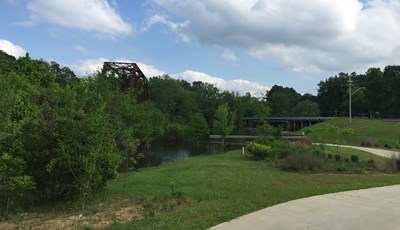
Urban Riparian & Stream Restoration Program
This program offers professionals interested in restoration activities training on urban stream functions, impacts of development on urban streams and recognizing healthy versus degraded stream systems.
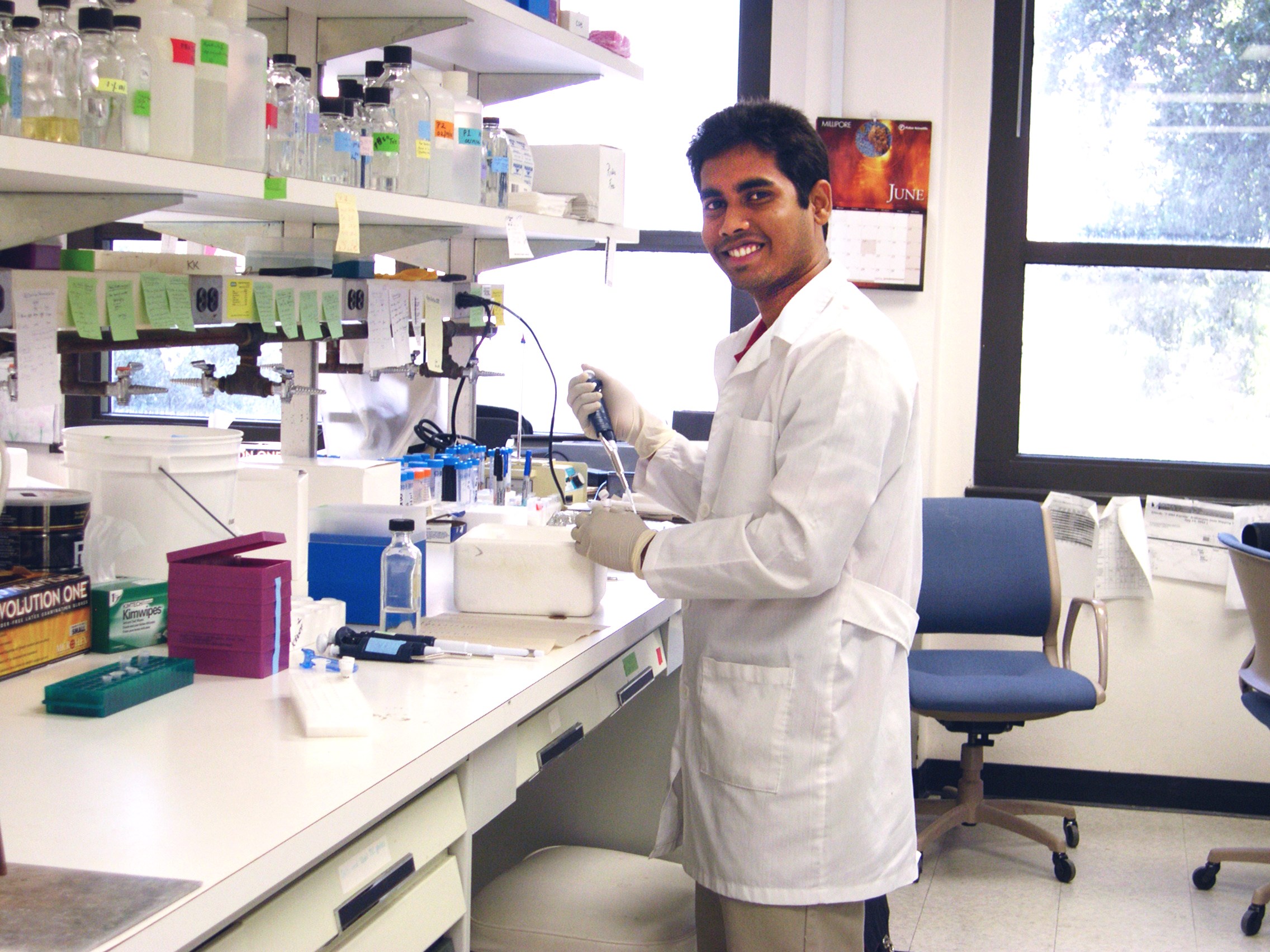
Water Resources Research Programs
TWRI is committed to training the next generation of water resources scientists and engineers. We have two water research scholarship programs, the U.S. Geological Survey (USGS) Graduate Research Program and the Mills Scholars Program.
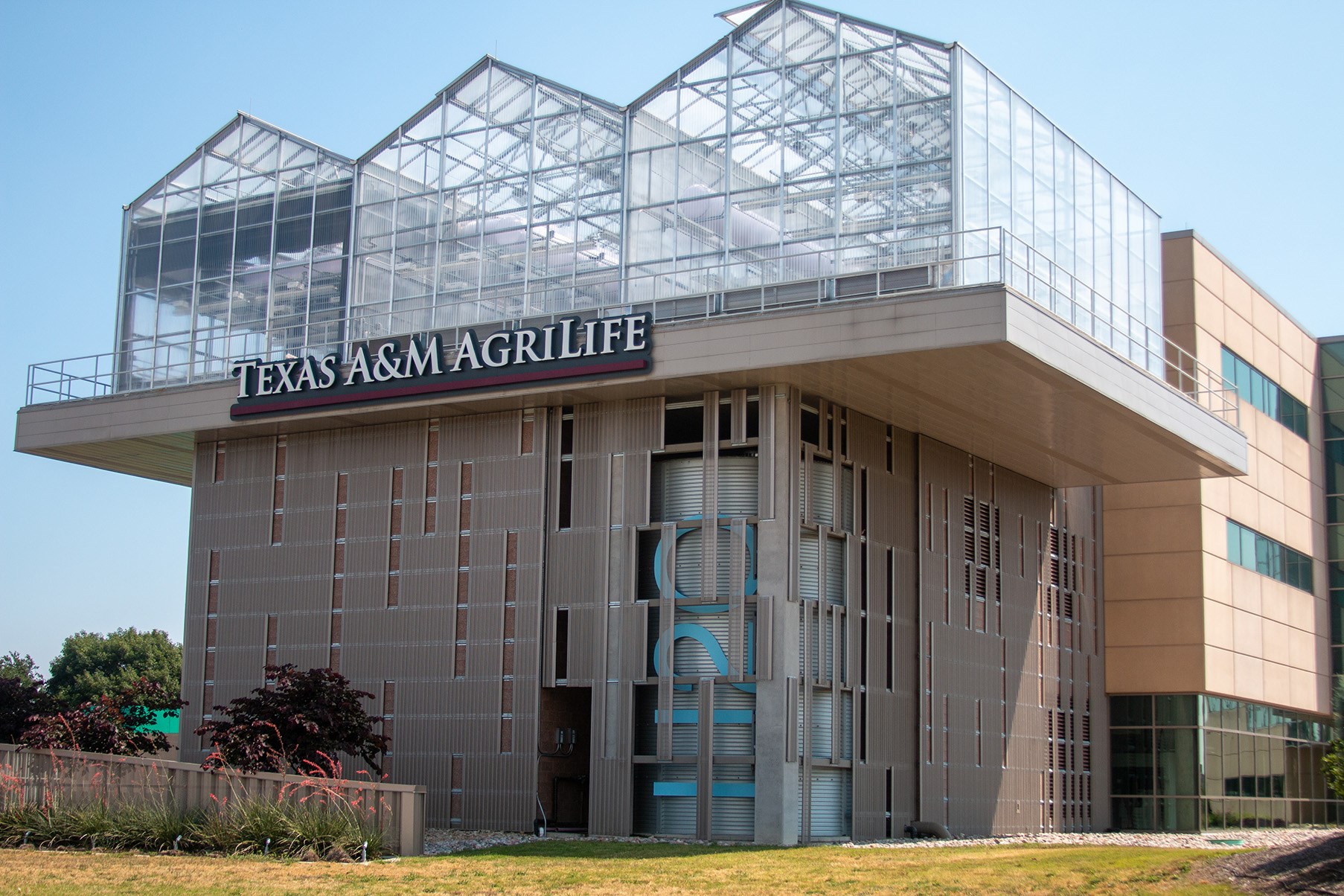
Urban WISH
The Urban Water Innovation and Sustainability Hub — Urban WISH — is a project of the Texas A&M AgriLife Research Center at Dallas and the Texas Water Resources Institute.
Active Community & Citizen Education for Science & Stewardship
Texas ACCESS Water is a new program to connect teachers and students across the state with water education resources, through interactive citizen science experiences and networks of educators in their own communities.
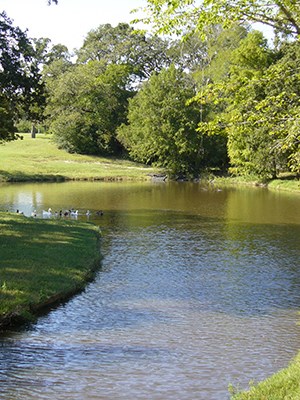
Regional Agricultural BMP Planning Database
Watershed planning for water quality in rural and agricultural watersheds relies on some key assumptions about the effectiveness and efficiencies of common best management practices (BMPs) for reducing pollutant loadings to waterbodies.
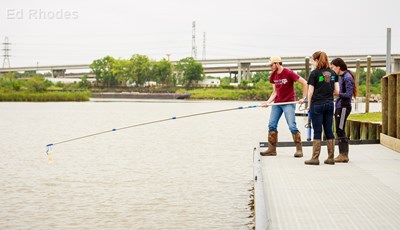
Texas Coastal Nutrient Input Repository
A large portion of the Texas Coast is composed of coastal bays and estuaries that receive freshwater and nutrient inputs from small coastal watersheds. These coastal bays and estuaries serve a vital role for tourism, recreation, fisheries and other industries in Texas.
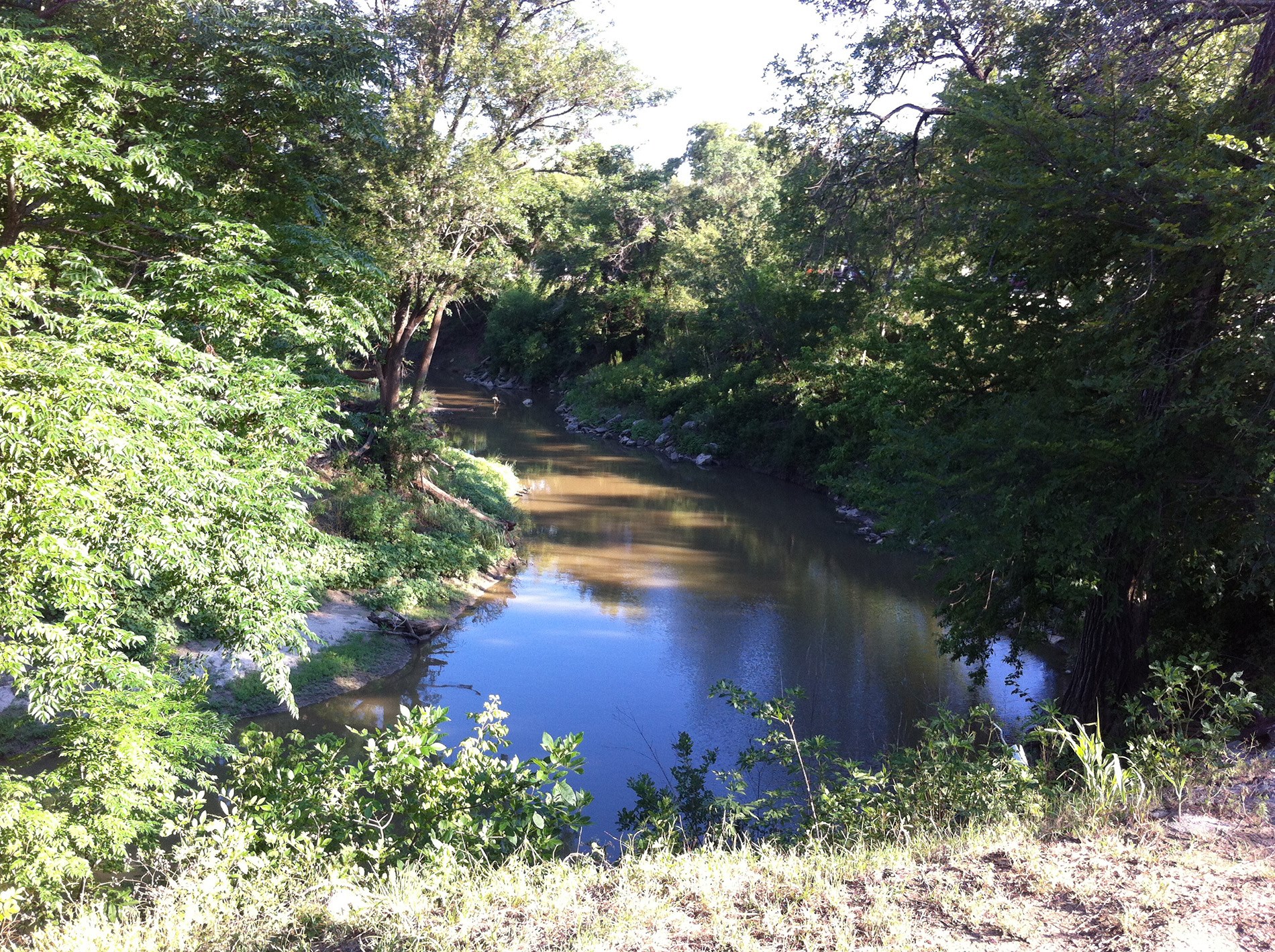
Leon River Watershed Protection Program
We are working with others to restore and maintain water quality of the Leon River to meet state water quality standards.