
Author: TWRI
-
Automated meters research could save consumers water and money
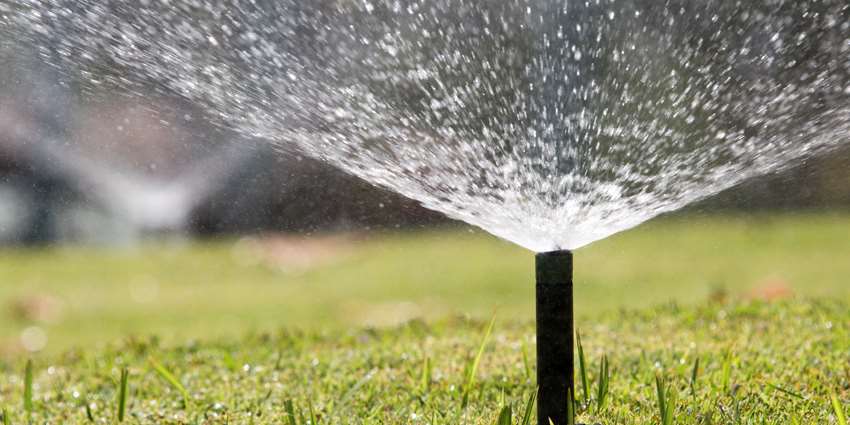
What if an app on your phone could tell you how much water you are using when you take a shower or water your lawn and even calculate how much that water will cost? Would knowing that information change your water habits? These questions and more are what a new Texas A&M AgriLife and Texas…
-
EPA WaterSense launches H2Otel Challenge to encourage conservation
The U.S. Environmental Protection Agency (EPA) WaterSense program recently launched the H2Otel Challenge for hotels to assess, change and track their water use through best management practices. By tackling projects throughout their properties, hotels can find ways to improve their water efficiency and performance while providing the highest quality experience for guests, according to EPA. To help hotels make operational…
-
Earth-Kind landscaping school draws variety of green industry, other professionals
More than 40 green industry and other professionals attended the recent Texas Water Star Program presentation of an Earth-Kind landscaping school at the San Antonio Garden Center in San Antonio. Attendees included representatives of commercial nurseries, professional landscaping businesses, landscape designers and irrigators, the San Antonio Water System, Master Gardeners and homeowners. Jared Beaver, Texas…
-
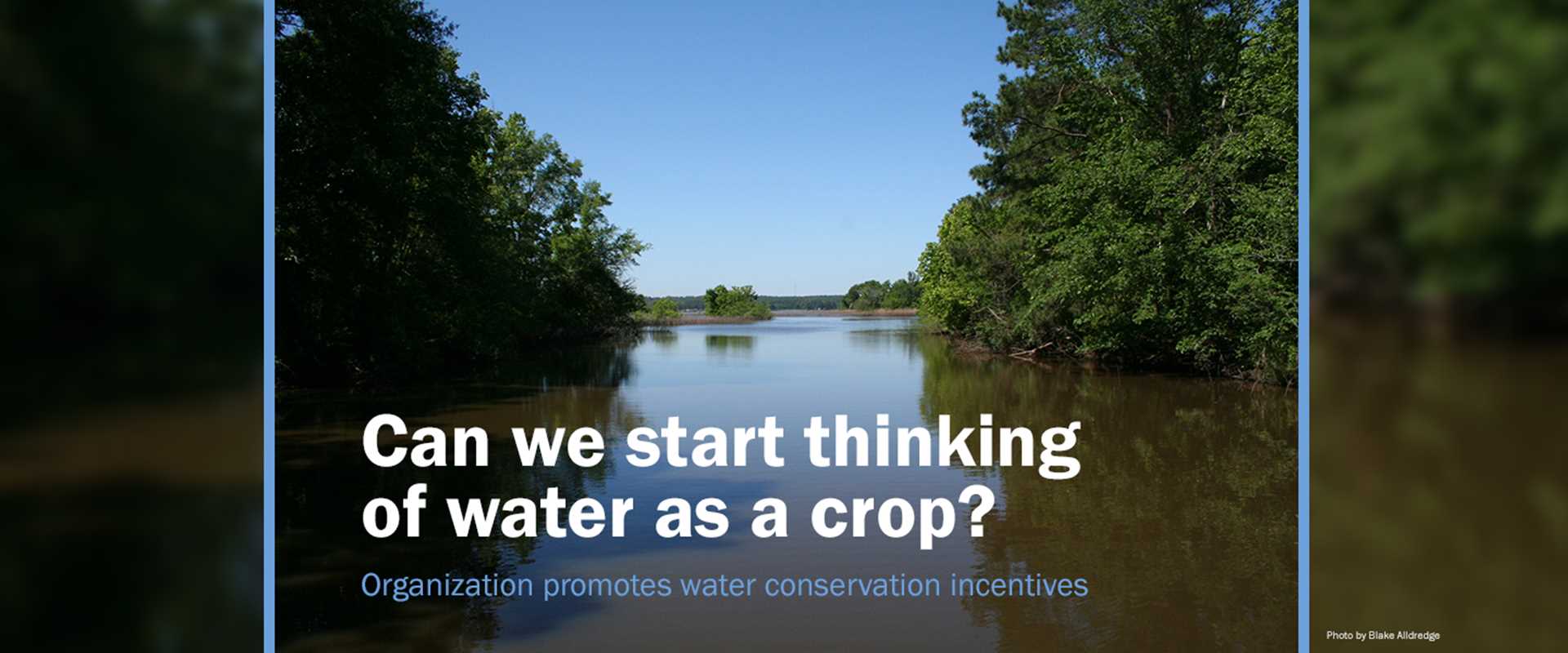
Can we start thinking of water as a crop?
By Sara Carney Water is not traditionally thought of as a crop, but Water As A Crop® and its partners are hoping to change that. This organization promotes the idea that water falling on private, rural land can be effectively conserved and marketed in a manner similar to crops. In exchange for implementing conservation practices, rural landowners…
-
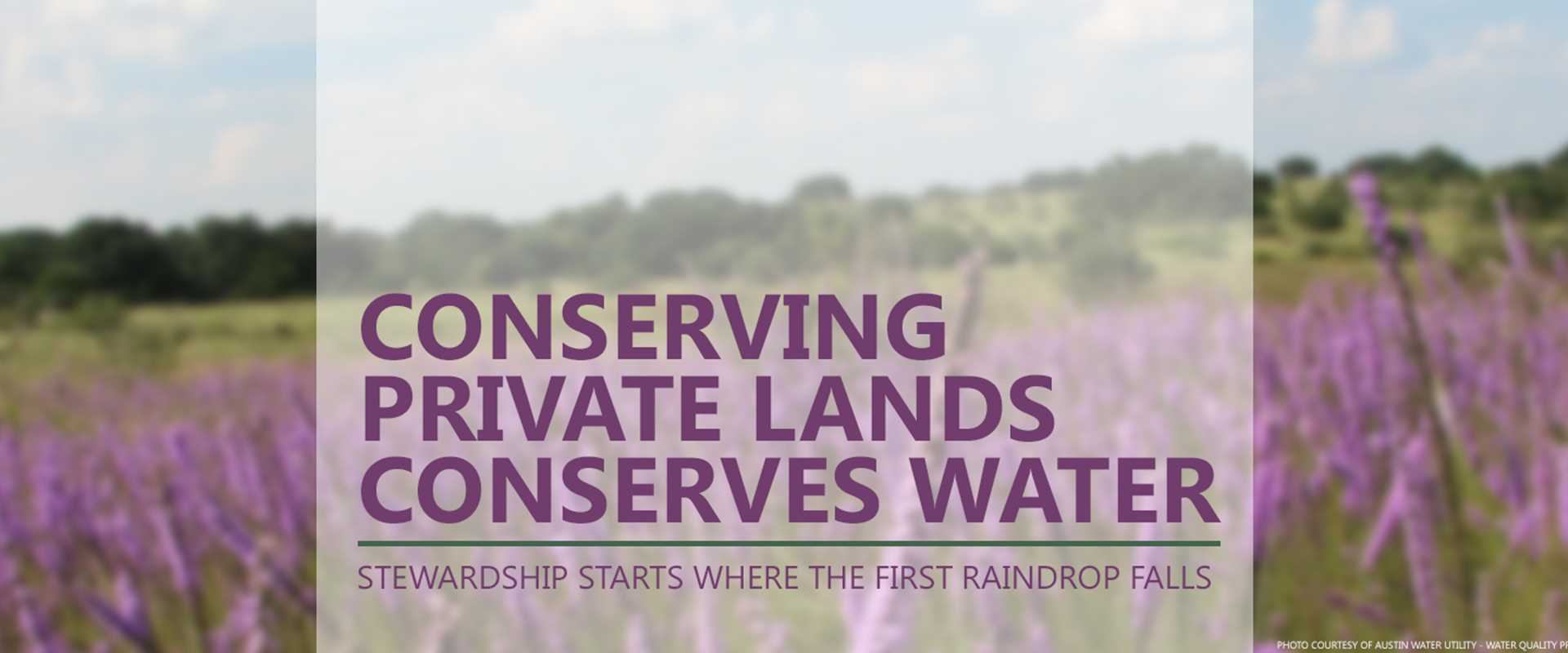
Conserving Private Lands Conserves Water
Former President and Texas native Lyndon B. Johnson once said: “Saving the water and the soil must start where the first raindrop falls.” In Texas, where about 95 percent of the land is privately owned, and 83 percent of that land is rural farms, ranches and forests, it is essential that all Texans understand the…
-
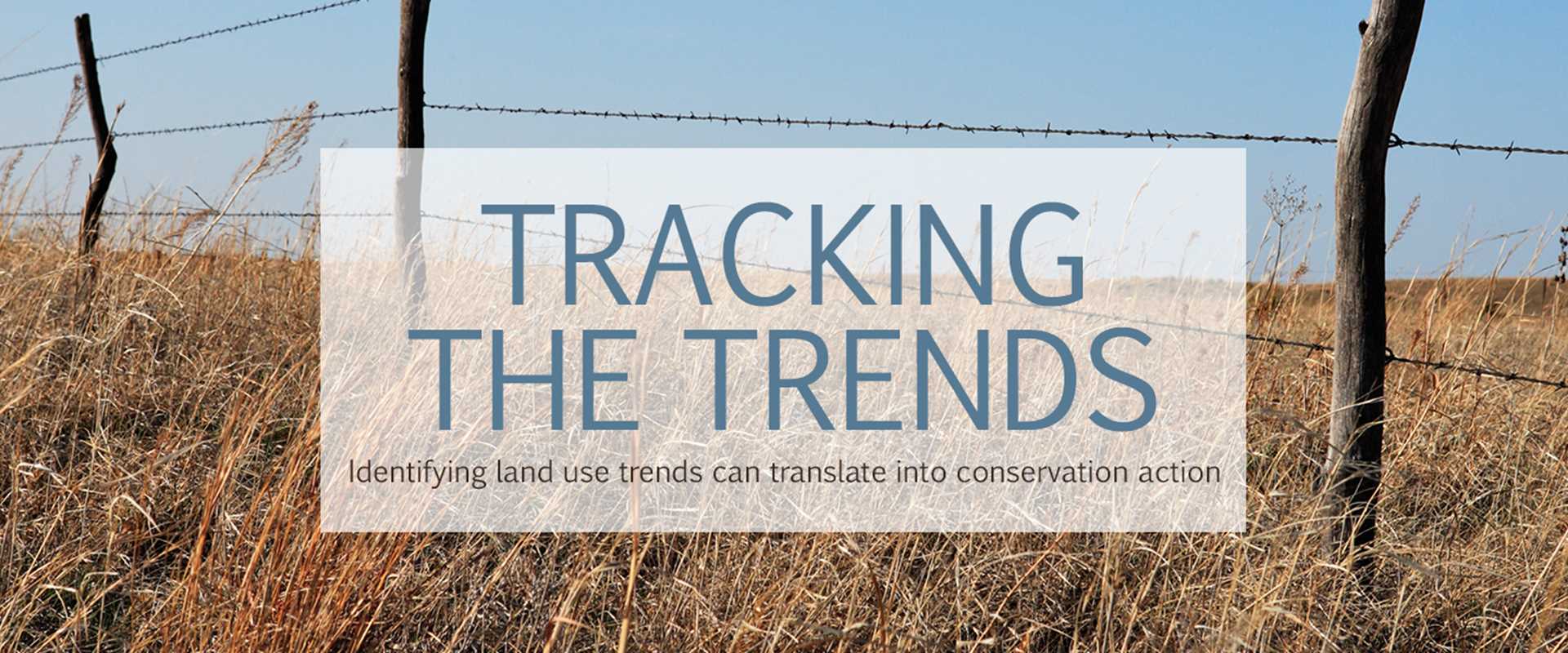
Tracking the Trends
By Amy Buice and Kathy Wythe If Texans knew the threat that rural land loss and fragmentation posed to their water supplies and recreational activities, would they be more willing to protect those lands and would decision-makers be more likely to support financial incentives for the conservation of those lands? Through Texas Land Trends, the Texas A&M…
-
Learn, See, Engage
For years, natural resources professionals have worked to bridge the gap between research and application by establishing proven best management practices (BMPs) that benefit farms, ranches and working lands as well as improve water quality and quantity. But what motivates some landowners to adopt these practices while others do not? Looking at three different scenarios…
-
Empowering Landowners
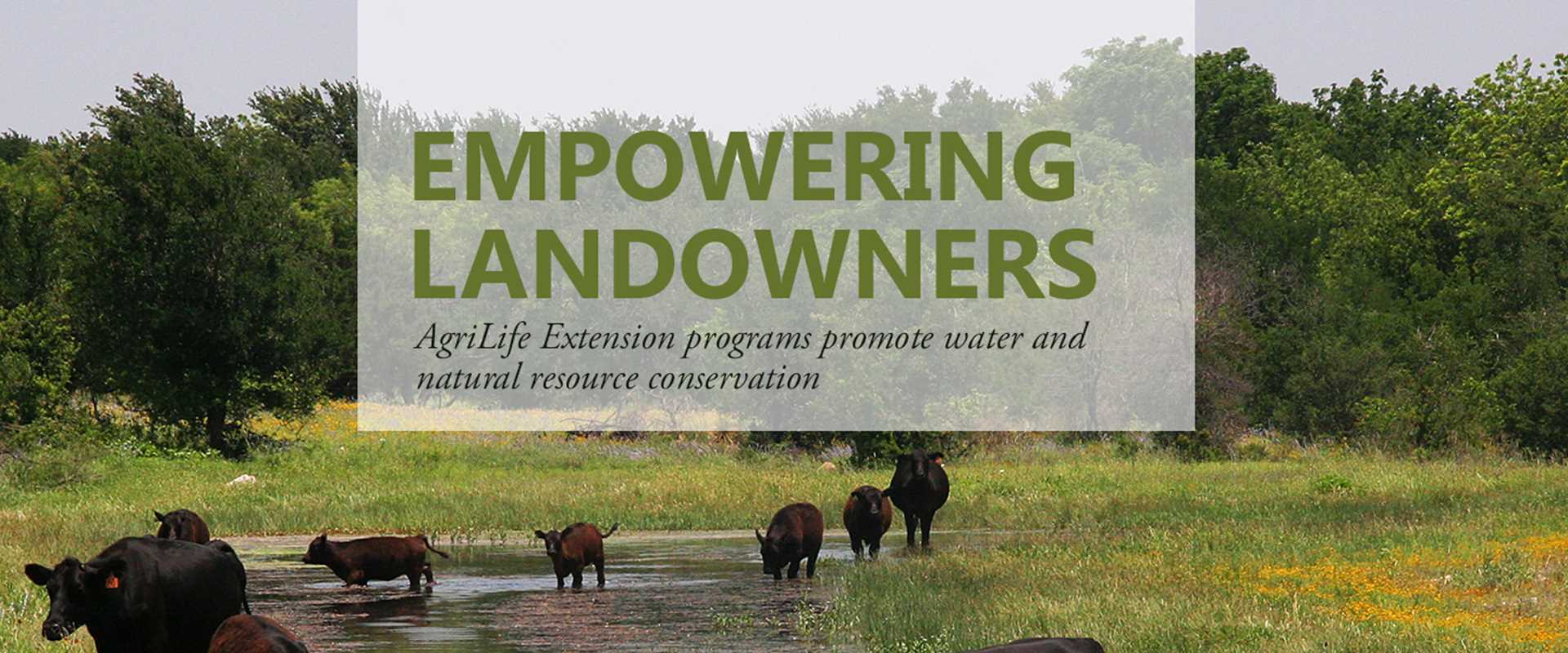
By Sara Carney When it comes to land stewardship, education is essential to implementing best management practices (BMPs) on private lands. Educational programs not only foster awareness of conservation issues and provide landowners with the information necessary to adopt BMPs, but they also empower and inspire landowners to preserve natural resources. The Texas A&M AgriLife Extension…
-
50th Anniversary
First established in 1952, TWRI was designated as the water resources institute for the state of Texas in 1964 by the Texas Legislature and Texas Governor after Congress passed and President Lyndon B. Johnson signed into law the Water Resources Research Act (WRRA) of 1964. “Abundant, good water is essential to continued economic growth and progress,” said…

-
The Texas Water Observatory Network
Texans who will make future decisions about water — legislators, policymakers and water managers — are grappling with the challenge of better understanding the complexities of water within Texas. A group of Texas A&M University researchers is undertaking that challenge through a planned initiative, the Texas Water Observatory Network. Still in the development stage, this…


