Category: 2016
-
Photo essay: Navasota River water quality monitoring
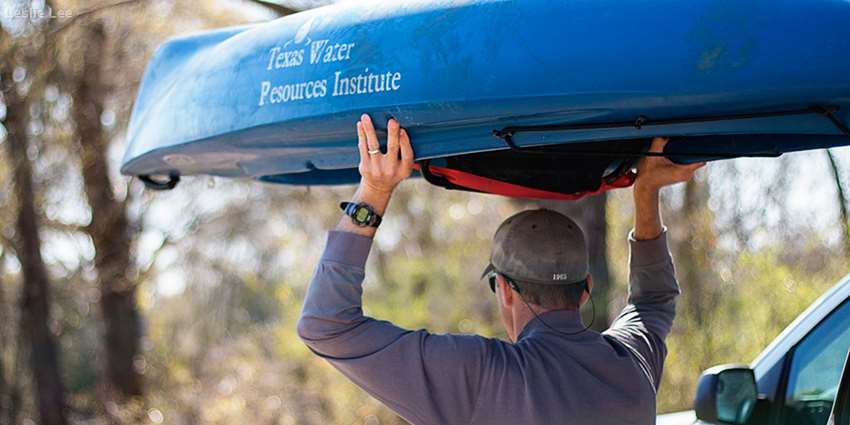
One morning in March, Conservation Matters joined up with members of the Texas Water Resources Institute (TWRI) water team to get a behind the scenes look at the water quality monitoring process. Check out this photo essay to see what it takes to survey and measure water quality in the Navasota River. Rising in the Hill County roughly 10 miles northeast…
-
‘Forgotten’ minnow rediscovered by AgriLife scientists in West Texas
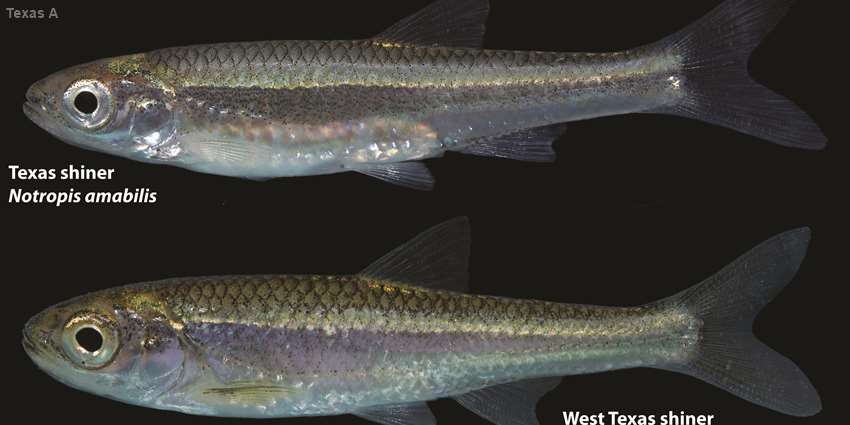
With no more “swimmable” water than thirsty West Texas has, it’s hard to imagine a fish, even a minnow-sized fish could remain “missing” for more than a century. But due to a mistaken identity, such is the case, said a Texas A&M AgriLife Research scientist. Dr. Kevin Conway, AgriLife Research wildlife and fisheries scientist, and…
-
USGS research shows economic impacts of ecosystem restoration projects
From restoring sagebrush to rejuvenating watersheds and landscapes after fires, ecosystem restoration can bear substantial economic fruit for local, state and national economies, according to a recent study by the U.S. Geological Survey (USGS). USGS economists evaluated 21 Department of the Interior (DOI) restoration projects and found that for each dollar invested in ecosystem restoration, there was…

-
8 reasons why networked, large landscape conservation strategies work
The Crown of the Continent is a vast, unique region, with its 18 million acres stretching from Montana to across the Canadian border and holding one of the largest untouched landscapes in North America. It includes Glacier National Park, many different ecosystems and huge swaths of public lands. More than 100 organizations, government agencies and…

-
Rebuilding monarch numbers: landowners, agencies and cities pitch-in
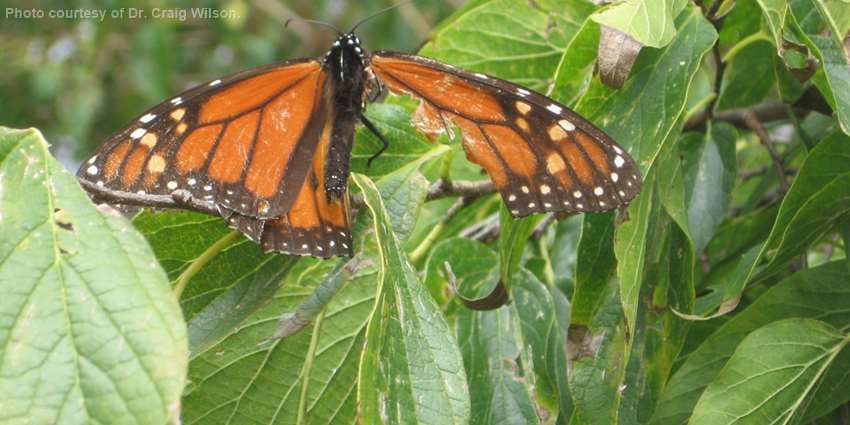
When spring migration begins, monarch butterflies emerge from their chrysalises by the millions, preparing for the 2,000-mile, multigenerational journey from Mexico to Canada. Migration is critical for the survival of the iconic North American butterfly, known for its bright orange and black markings, but habitat losses have led to a significant population decline in the past…
-
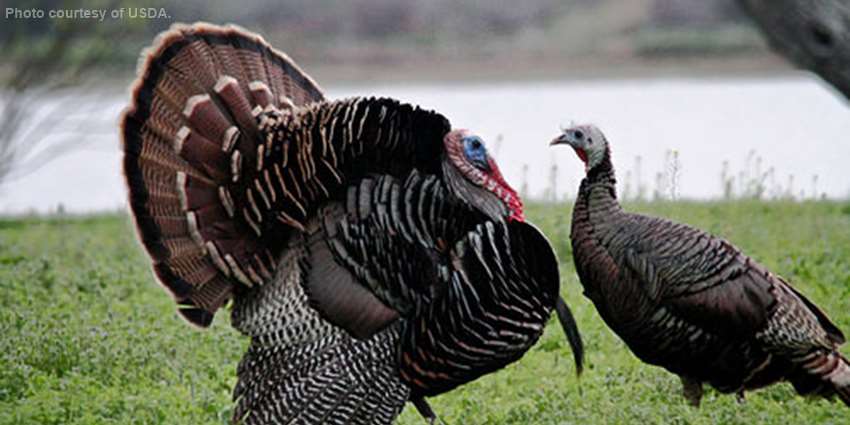
New USDA research: feral hogs threaten turkey populations
This spring more than ever, wild turkeys across the United States are facing an increasing threat from feral swine, according to the U.S. Department of Agriculture – Animal and Plant Health Inspection Service (USDA-APHIS). Feral swine, also known as wild pigs, feral hogs and wild boars, are not native to North America and are the descendants of…
-
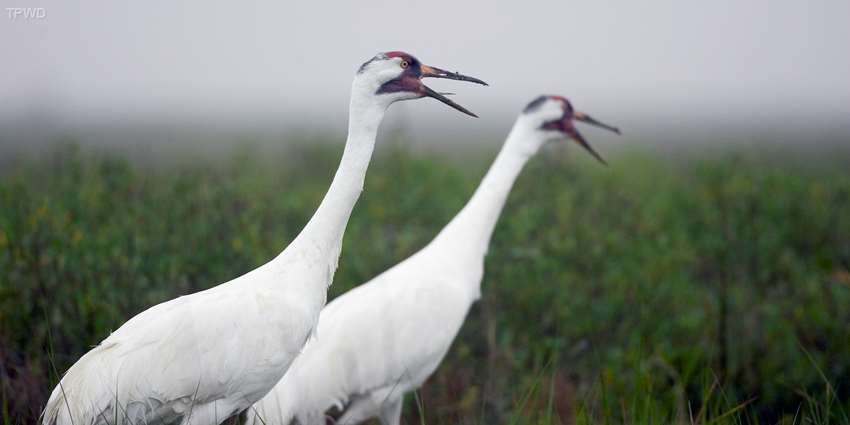
Record year for whooping cranes in USFWS surveys
The U.S. Fish and Wildlife Service (USFWS) has completed analysis of aerial surveys of the Aransas-Wood Buffalo whooping crane population, the only surviving wild population of whooping cranes in the world. Preliminary survey data indicated 329 whooping cranes, including 38 juveniles, in the primary survey area (approximately 153,200 acres) centered on the Aransas National Wildlife Refuge near Austwell,…
-
Texas Well Owner Network trainings and screenings scheduled for April
Anyone interested in private water well management is invited to attend upcoming Texas Well Owner Network (TWON) trainings and screenings around the state. TWON Well Educated trainings are free, half- to one-day educational trainings for Texas residents who depend on household wells for their water needs. Well Educated trainings are for private well owners who want to become…
-
TWDB taking public comments on Draft 2017 State Water Plan
The public comment period for the Draft 2017 State Water Plan for Texas is open. The Texas Water Development Board (TWDB) will accept public comments on the draft plan until 5:00 pm, April 25. The board approved the draft plan at its March 3 meeting in Austin. The plan spells out approximately 5,500 strategies Texas communities have…
-
TWRI, IRNR support Soil and Water Stewardship Week
The Texas Water Resources Institute (TWRI) and the Texas A&M Institute of Renewable Natural Resources (IRNR) are partnering with the Association of Texas Soil and Water Conservation Districts (ATSWCD), Texas Wildlife Association, Texas and Southwestern Cattle Raisers Association and Texas State Soil and Water Conservation Board (TSSWCB) to highlight the importance of voluntary land stewardship…