Category: 2018
-
Master Irrigator program: From demonstration to adoption
Agricultural water conservation is extremely important, especially in the Ogallala Aquifer region. Targeting the agricultural water users in the North Texas area, a program began in 2016 that focuses on conserving irrigation: the Master Irrigator program. While Master Gardeners or Master Naturalists may be familiar programs, the Master Irrigator program is a bit different. Master Gardeners and Naturalists focus on horticulture…
-
Talking with Ogallala Aquifer region producers about H2O
Much of the water under the Ogallala Aquifer region is declining at a faster rate than it recharges by rainfall. What does the dwindling supply of groundwater mean for the producers in this region? txH2O talked to a few producers about what it is like farming on a declining water resource. Bob Meyer: Canyon, TX We definitely…
-
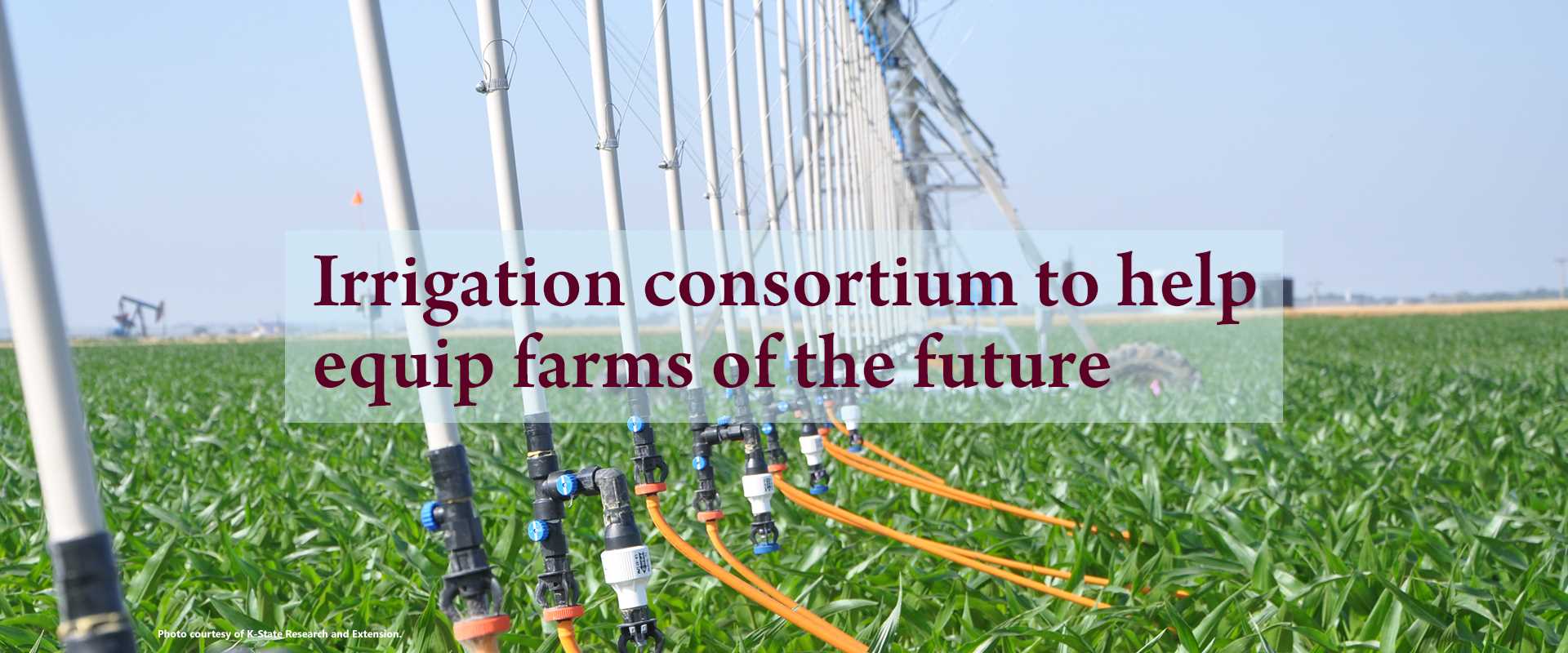
Irrigation consortium to help equip farms of the future
Four universities that are part of the Ogallala Aquifer Program and the Ogallala Water Coordinated Agriculture Project are involved in a new group that will advance irrigation innovation to equip “farms of the future,” according to officials. The Irrigation Innovation Consortium was launched in 2018 as part a five-year, $5 million grant from the Foundation for Food and Agriculture Research (FFAR), a nonprofit…
-
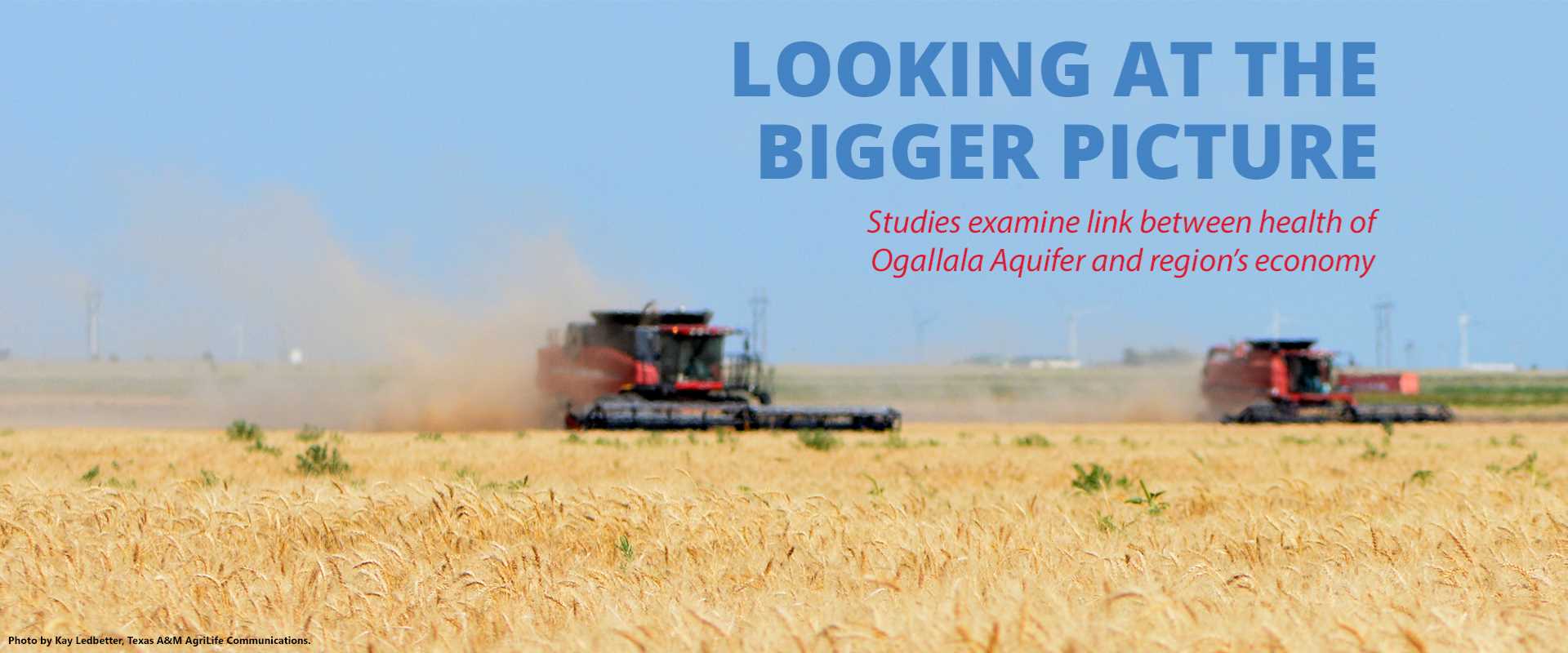
Looking at the bigger picture
As water levels in the Ogallala Aquifer continue to decline, reducing producers’ ability to irrigate crops, what will happen to this robust economy and the agricultural industries the nation depends on so much? Many are asking this question, in particular researchers from two USDA-funded Ogallala Aquifer projects. They are trying to understand the current picture…
-
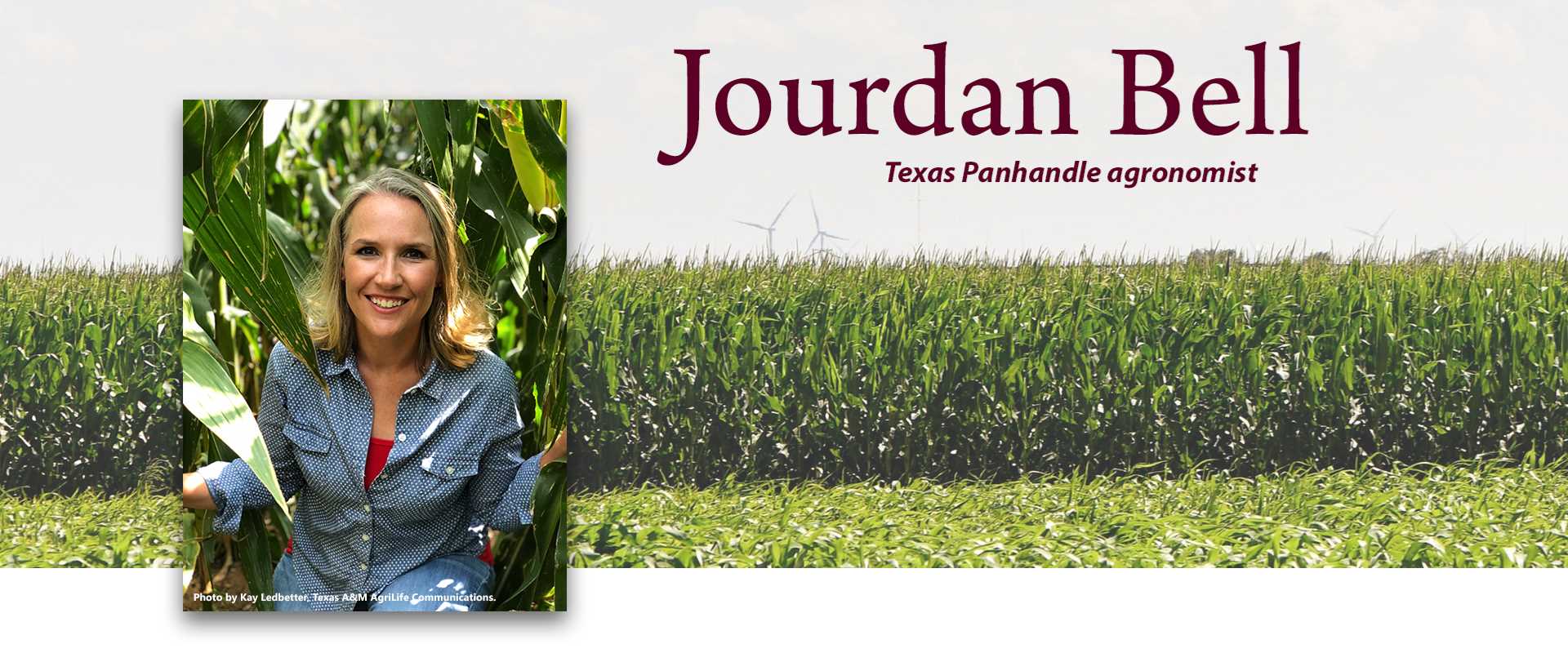
Jourdan Bell
For farmers dependent on the availability of groundwater from the Ogallala Aquifer in the Texas High Plains, the challenge is having enough water. “The Texas High Plains is an agricultural-based economy, so optimization of agricultural production is important at many levels,” Bell said, “but the future of High Plains crop production is dependent on how well we conserve soil and water…
-
Ogallala Aquifer Summit
Assigned seating ensured that people representing different states and stakeholder perspectives would meet and interact. Panels, keynotes and facilitated workshops covered different aspects of “what’s working” in agricultural water management within three main topic areas: producer practice, contributions from science and policy developments. Participants discussed practical aspects of agricultural water use in relation to different…
-
Thomas Marek
“During my junior year in high school, I sat in the front seat of a pickup truck and went through the syllabus curriculum and when I saw ag engineering, I knew what I wanted to be,” he said. “So I enrolled at Texas A&M when I graduated from Bryan High School, and two years later I was in a work…

-
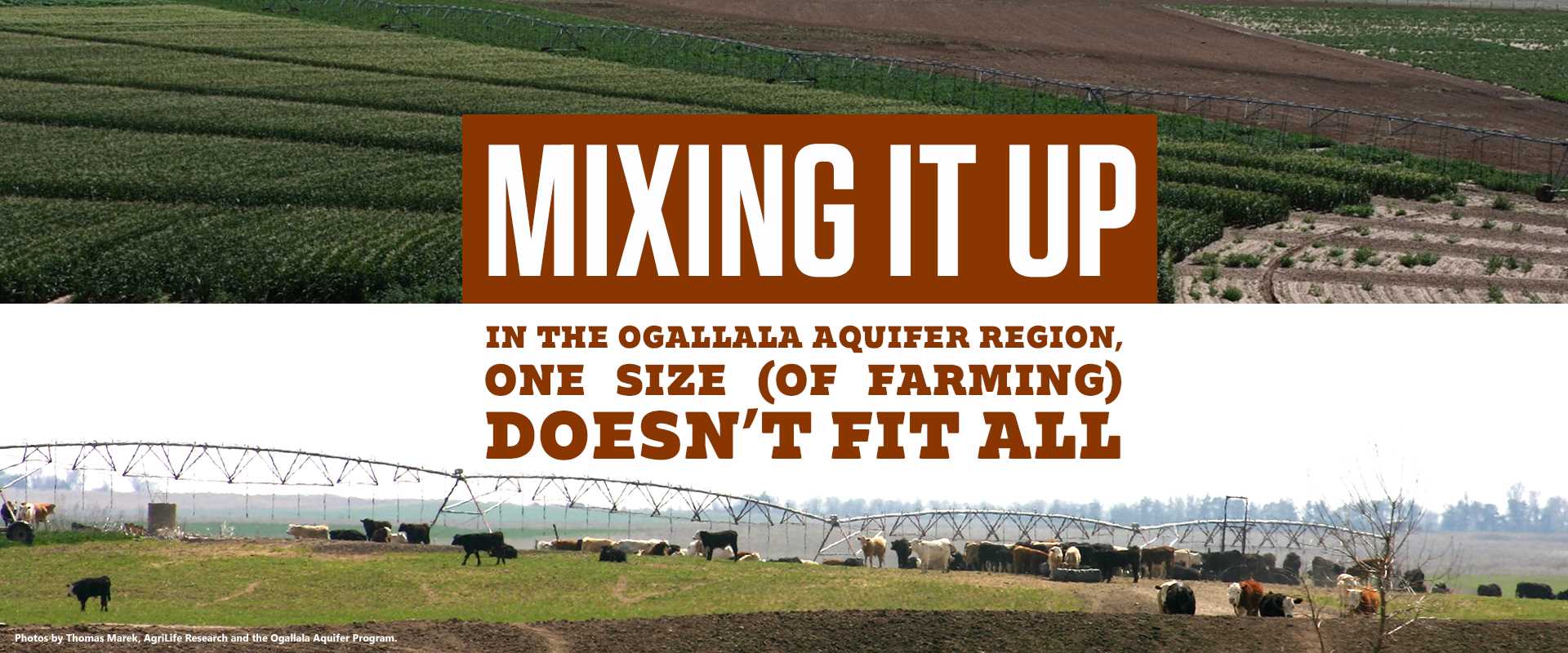
Mixing it up
In a typical livestock integrated system in the Ogallala Aquifer region, livestock graze on forage and cover crops in the spring before being turned out onto rangelands, and then rely on forage and grain stubbles supplemented with hay or silage in the fall and winter. Experts in the Ogallala Aquifer Program (OAP) and the Ogallala Water Coordinated Agriculture…
-
Living Life with Less Water
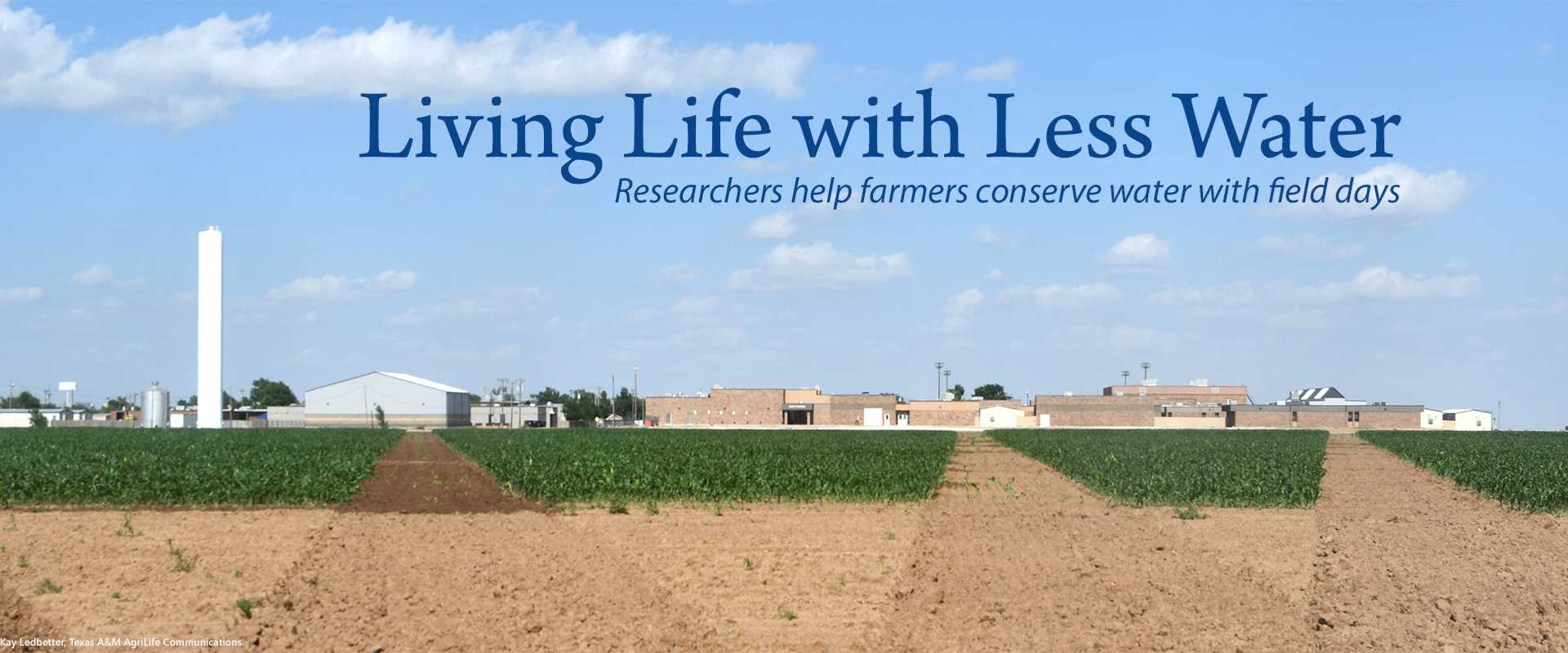
The aquifer’s decline has had a big impact on producers in the Ogallala region, especially for Barry Evans, a cotton and grain sorghum farmer in Kress, Texas in the Texas Panhandle. “I started farming in 1992, and when I first began, I was 100 percent irrigated, and now I am 16 percent irrigated and 84…
-
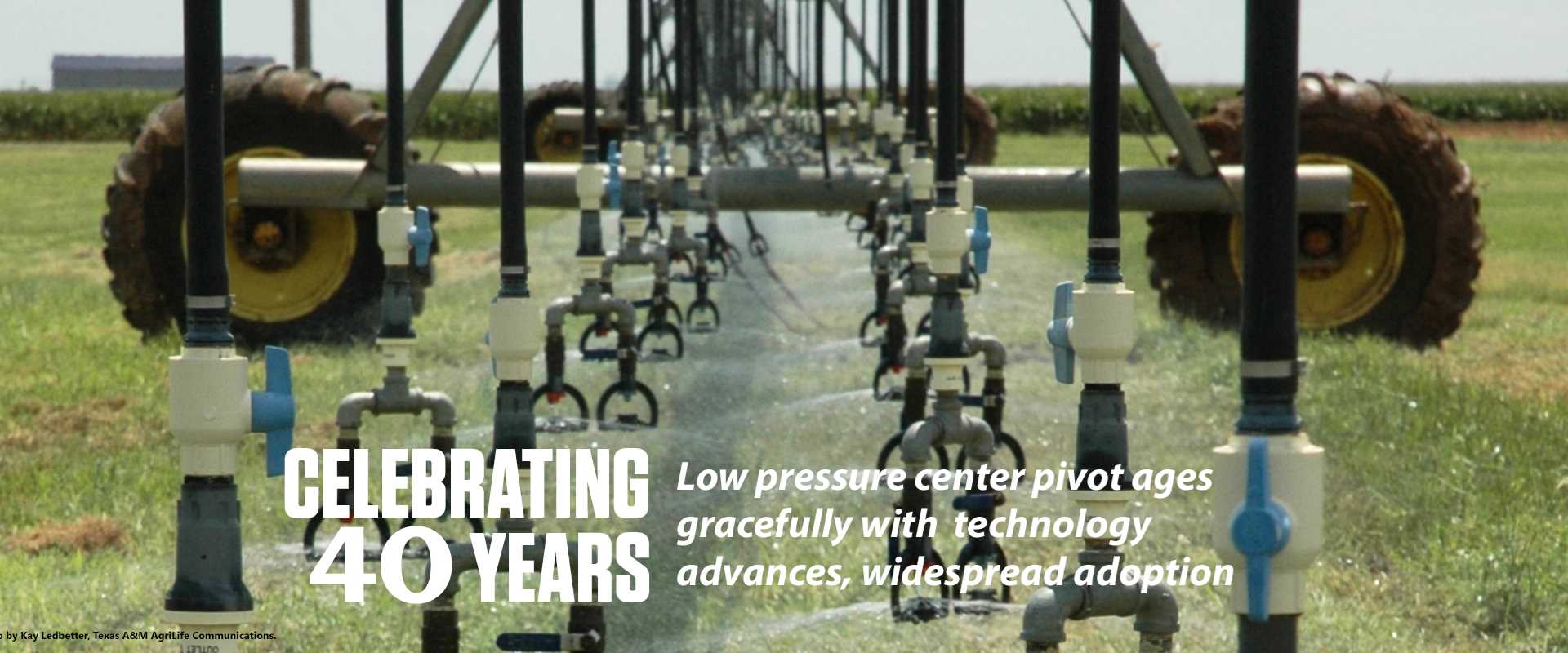
Celebrating 40 Years
The early days of center pivot irrigation Back in the early 1950s, Frank Zybach, a farmer and inventor, sought a better way to irrigate without using flood or furrow irrigation. He developed an irrigation machine and applied for a patent. His patent for the “Zybach Self-Propelled Sprinkling Irrigation Apparatus” was approved in 1952. While he…