Category: 2021
-
Texas Water Journal publishes new article in Volume 12
The Texas Water Journal has published a new article in Volume 12, titled Water Rights Analysis Package Modeling System, by Ralph A. Wurbs. The water rights analysis package (WRAP) simulates surface water development, allocation, management and use and performs reliability and frequency analyses of simulation results. The computer modeling system facilitates assessments of hydrologic and institutional water availability…
-
txH2O highlight: Less is more
Being a smart irrigator is important any time of year, but with a wetter-than-usual summer, Texans can take advantage of science-based tools to determine when to turn on the sprinklers. In the article Less is more, experts explain the benefits of using Texas A&M AgriLife Extension Service’s Irrigation Technology Program, WaterMyYard. First launched in 2013, the WaterMyYard web app…
-
Meet a scientist: Pam Plotkin
Article originally written by September Martin Having grown up in a big city with a love for animals and the ocean, Pam Plotkin, Ph.D., built a career around sea turtles and marine conservation and restoration, which allowed her to travel widely in tropical environments and fulfill her childhood dream. Plotkin became the director of Texas Sea…

-
Texas Water Journal publishes commentary responding to state flood assessment
The Texas Water Journal has published a new commentary in Volume 12, titled Texas Reimagines the Fight Against Floods, by Peter Lake, former Chairman of the Texas Water Development Board (TWDB). In response to the TWDB’s 2019 state flood assessment and other efforts initiated in the wake of Hurricane Harvey, the 86th Texas Legislature developed a new framework…
-
A lifetime of award-winning water resource collaboration
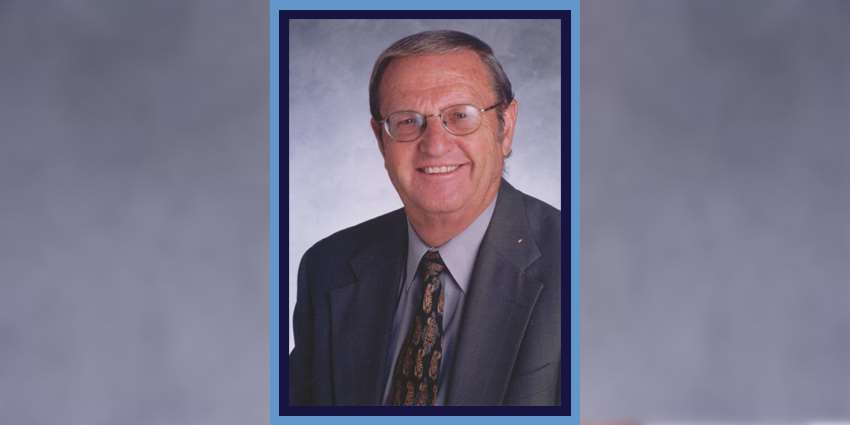
Article originally written by Kerry Halladay Texas A&M University’s Ron Lacewell, Ph.D., is one of the two 2021 recipients of the Universities Council on Water Resources (UCOWR) Warren A. Hall Medal for lifetime achievement in water resources. That lifetime of work has been a long one, and one specifically marked by strong collaboration with co-winner, Mac McKee, Ph.D., of…
-
txH2O highlight: Feeding the future
Water is a necessity to produce the crops that feed a village. But when water is scarce, it can impact everything from diet and hygiene to income and issues related to gender. In the article Feeding the future, partners of the Innovation Laboratory for Small-Scale Irrigation at the Norman Borlaug Institute for International Agriculture, a unit of the Texas…
-
Tune in to the Rio Grande Water video series
A series of videos have been produced about irrigation methods along the Rio Grande as part of the Diversifying the Water Portfolio for Agriculture in the Rio Grande Basin, a Coordinated Agriculture Project (CAP). The Rio Grande is the fourth-longest U.S. river. It is also one of the world’s most endangered rivers. Population growth and demand…

-
Several private water well screenings, trainings set for mid-June
The Texas Well Owner Network is hosting several “Well Informed” water well screenings and “Well Educated” trainings in mid-June for residents in Wise, Jack, Montague, Parker, Hill, Ellis, Johnson and Somervell counties. These events will give area residents the opportunity to have their well water screened and learn more about keeping their wells in good working condition.…

-
It’s time to prepare for hurricane season
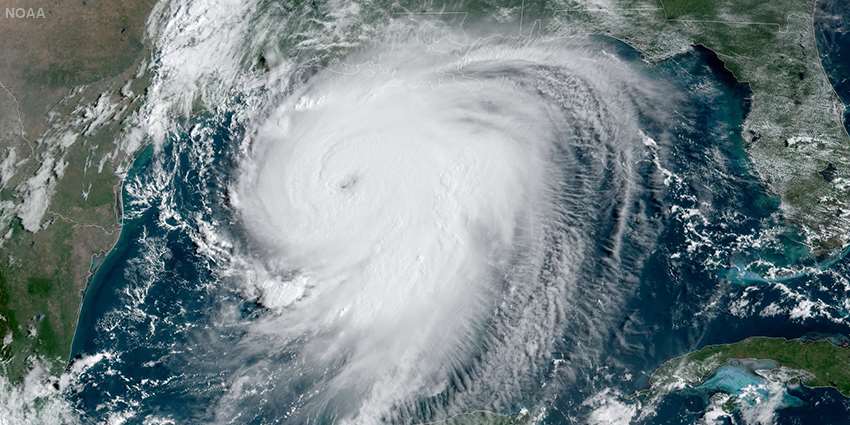
Article originally written by Chantal Cough-Schulze Editor’s Note: This article was updated on May 26, 2021 to include the official 2021 Atlantic hurricane season outlook from the National Oceanic and Atmospheric Administration’s Climate Prediction Center. On August 9, 2021, this article was updated again to reflect the National Oceanic and Atmospheric Administration’s mid-season update. The 2021…
-
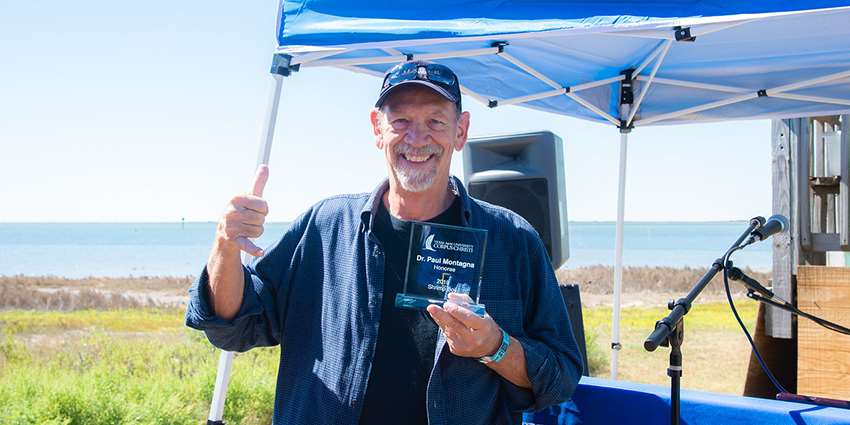
Meet a scientist: Paul Montagna
Article originally written by Ava English If you ran into Paul Montagna, Ph.D., on the Corpus Christi beach or one of his famous Friday night pizza parties, you probably wouldn’t realize that he is among the top 2% of researchers in the world for scientific impact or that he contributed to the largest environmental settlement in history. When…