

Category: 2021
-
txH2O highlight: Extremely expected
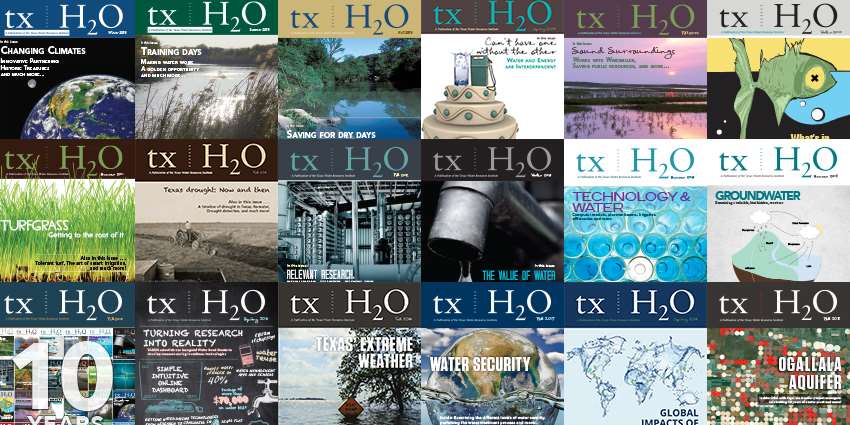
Article originally written by Ava English Texans are no strangers to extreme weather events such as drought, flood and now freeze. In light of the severe winter storm that hit Texas earlier this year, this month’s txH2O highlight is Extremely Expected from the Texas’ Extreme Weather issue of txH2O. This article offers a few explanations from climate experts about…
-
Lucas Gregory talks discolored water on KBTX-TV3
Lucas Gregory, Ph.D., assistant director of TWRI, spoke to Bryan-College Station, TX-local news station KBTX-TV3’s Donnie Tuggle on February 18. Gregory talked about the brown and discolored water coming out of pipes as things started to thaw, saying it was not something to be worried about. “Discolored water is not terribly uncommon,” he said, explaining…

-
Wendy Jepson discusses the energy-water nexus on Think radio show
Wendy Jepson, Ph.D., associate director of TWRI, spoke at length to radio host Krys Boyd of Think on February 22. Think is a national call-in radio program produced by KERA, North Texas’ PBS and NPR member station. The hour-long program examined “what went wrong in Texas” with energy and water during the freeze. Jepson explained…

-
TWRI’s Sanchez coauthors new white paper about U.S.-Mexico border water management
Texas Water Resources Institute Senior Research Scientist Rosario Sanchez, Ph.D., recently coauthored a new white paper about U.S.-Mexico border water management. In the paper, the authors lay out proposals to strengthen the ability of the United States International Boundary and Water Commission (USIBWC) to respond to border water management challenges. According to the authors, the paper is…

-
Water Conservation Advisory Council seeks stakeholder input in evapotranspiration data survey
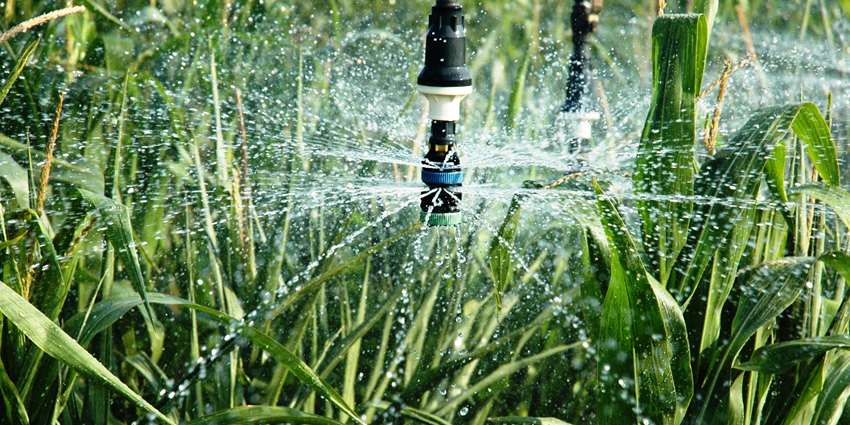
The Water Conservation Advisory Council (WCAC) is seeking help with determining the level of stakeholder interest in advancing and supporting the accessibility of evapotranspiration (ET) data in Texas. Many stakeholders currently and historically have relied on ET data to effectively manage and communicate irrigation best management practices. WCAC is interested in reliable ET data because…
-
Mills Scholarships awarded to five TAMU students
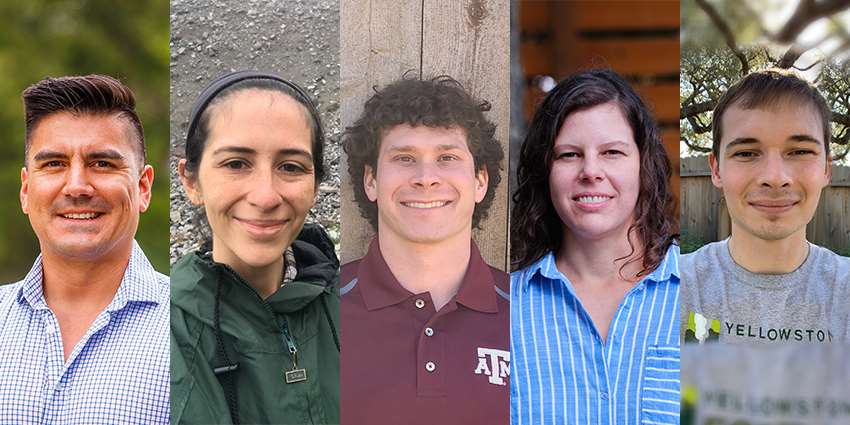
The Texas Water Resources Institute (TWRI) has awarded 2021 Mills Scholarships to five graduate students conducting water-related research at Texas A&M University. The scholarship winners are: TWRI administers the Mills Scholars Program, an annual competitive scholarship program supporting graduate research in water at Texas A&M University, Texas A&M University-Galveston and Texas A&M University-Qatar. This program is funded through the…
-
Rain, wind and fire: What La Niña means for Texas’ winter fire season
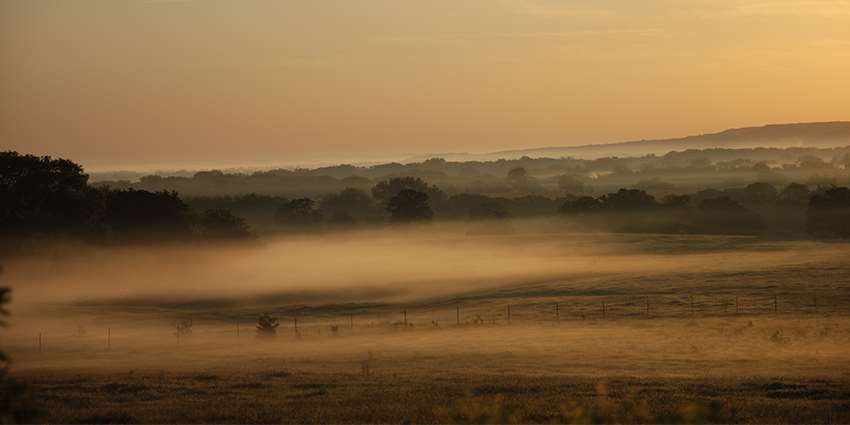
Article originally written by Kerry Halladay Texas’ winter/spring wildfire season is about to begin. Fire experts predict it could be a particularly active season due in large part to the presence of La Niña this year. The weather pattern often brings drier, warmer weather, and strong winds: the perfect recipe for fire. “Mid-February through mid-April is…

-
ICYMI: Financial, ecological benefits of conservation easements on working lands
A recent report by the Texas A&M Natural Resources Institute, Texas Water Resources Institute and Texas Land Trust Council shows state-funded conservation easements in Texas provide numerous financial and ecological benefits. The purpose of the 2020 Evaluation Report was to examine the benefits of conservation easements established on privately-owned lands under the Texas Farm and Ranch Lands Conservation Program, TFRLCP, a state-funded program…
-
Soaking up rising floodwaters in growing cities
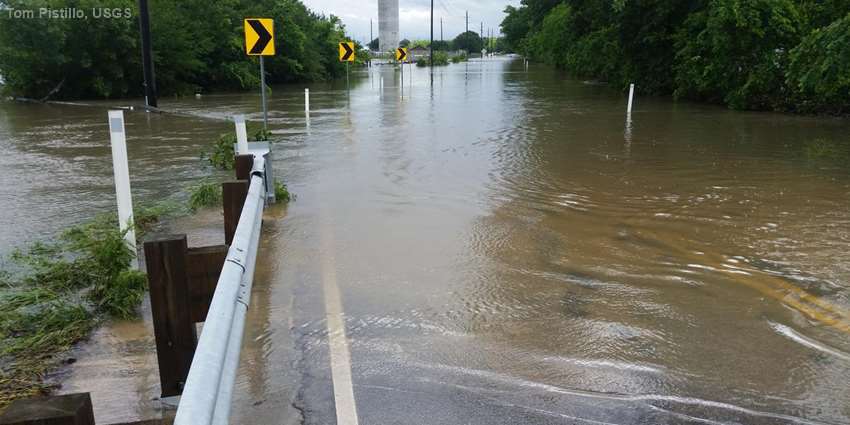
Article originally written by Chantal Cough-Schulze Texas cities are expanding fast. Between 2010 and 2019, six of the 15 fastest-growing cities in the United States were in Texas. Bigger cities mean less land to soak up rainwater, leading to increased flood risk. Add climate change to the equation, and you have a bigger flooding problem…
-
Meet a scientist: Nathan Glavy
Article originally written by Ava English Nathan Glavy is a San Antonio native, a two-time graduate of Texas A&M University and an Extension program specialist at Texas Water Resources Institute, TWRI. On paper, Glavy seems like a likely candidate for someone who would build their career in Texas. But that’s not exactly what Glavy envisioned for his…


