Category: 2021
-
Texas Water Journal publishes first article in Volume 12
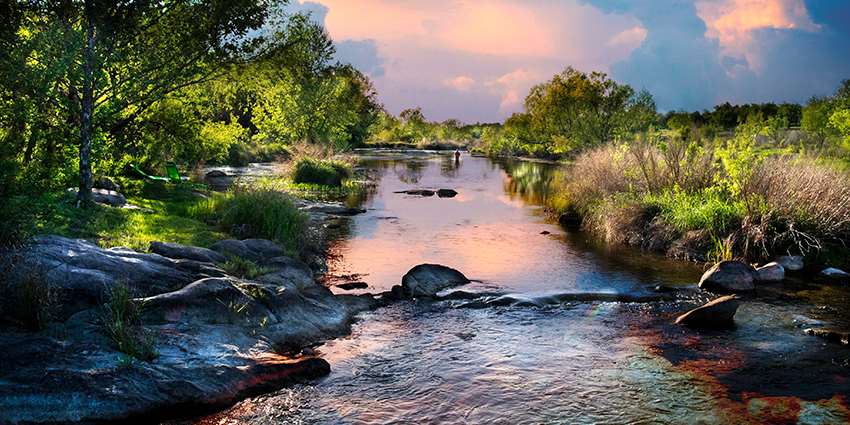
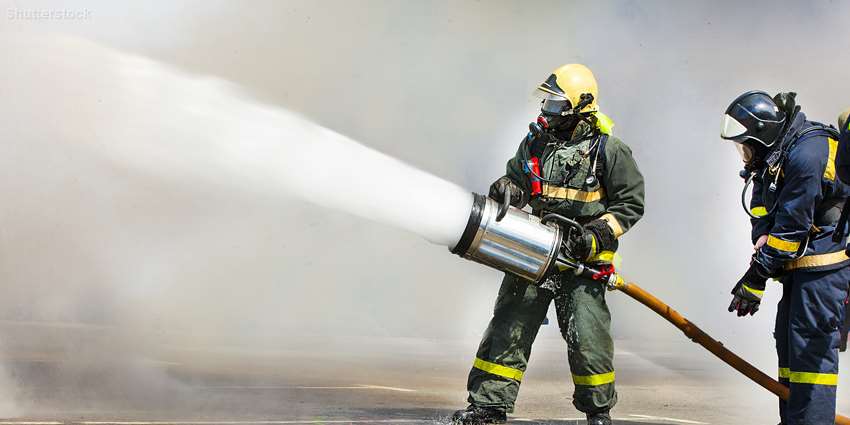
The Texas Water Journal has published the first article in Volume 12 titled, Best Management Practices for Firefighting in the Karstic Edwards Aquifer of South-Central Texas, by Geary M. Schindel and Rudolph A. Rosen. Karst aquifers are vulnerable to contamination from hazardous pollutants that can harm drinking water supplies, species inhabiting aquifers and springs, and other karst water…
-
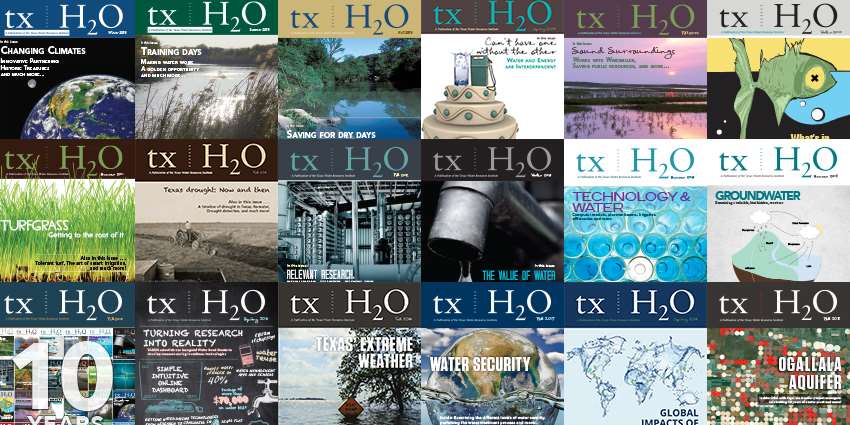
txH2O highlight: Ogallala Aquifer Summit
Since the next Ogallala Aquifer Summit is right around the corner, this month’s txH2O highlight is on the article Ogallala Aquifer Summit from the Ogallala Aquifer-themed issue of txH2O. In 2018, the Ogallala Water Coordinated Agriculture Project partnered with the Kansas Water Office to bring more than 200 water management professionals from all eight Ogallala region states together for the Ogallala…
-
Ogallala Aquifer Virtual Summit asks stakeholders to tackle tough questions
Article originally written by Kay Ledbetter The Ogallala Aquifer Virtual Summit, designed to tackle issues faced by communities that rely on the declining Ogallala Aquifer resource, is set for Feb. 24-25, almost a year after it was originally scheduled. The online program will consist of a series of highly interactive conversations scheduled from 8 a.m. to…
-
Climate and weather impacts for 2021
After the extreme weather events in 2020, many are wondering what to expect this year. The Texas state climatologist explained that there is currently a moderate La Niña in place this year, meaning warmer, drier conditions are on the horizon. “The La Niña has been present for several months already,” said John Nielsen-Gammon, Ph.D., Regents Professor of Atmospheric Sciences and the Texas State Climatologist. “It’s…

-
txH2O highlight: On the border
A surprising amount of groundwater exists below the United States-Mexico border, and until recently, little data was known about the location of these shared water sources and how they are managed by each country. This month’s txH2O highlight focuses on projects led by an interdisciplinary group of Texas A&M University System researchers. These projects aimed to study and map the quantity, movement and management of these waters to lead to a better understanding of their governance. Some of their research efforts, however, were complicated by differences in language and methodology between the two…
-
Coffee for the Rio Conchos, Jan. 21
Article originally written by Kerry Halladay The Permanent Forum for Binational Waters (PFBW) is charging into 2021 with plans for more talks on transboundary waters. First up is the “Exploring the Rio Conchos” coffee break. The free coffee break will be held via Zoom from 4 to 5:30 p.m. (CST) on January 21. The panelists are David Eaton,…
-
The sinking situation of subsidence
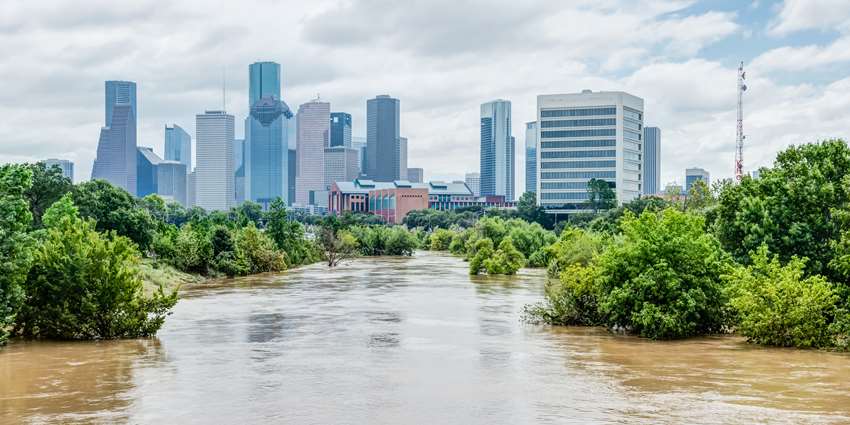
Article originally written by Kerry Halladay Texans could be forgiven for having a sinking feeling in 2021. In many cases — particularly in Houston and along the Gulf Coast — Texas is literally sinking, and a new report suggests that the problem will get worse. A recent report published in Science by a large collection of international researchers, including researchers from the U.S. Geologic Survey (USGS) examined the global threat of subsidence. Subsidence is…
-
New administration signals changes for toxic “forever chemicals” in drinking water
Article originally written by Chantal Cough-Schulze With a new presidential administration, change is coming for certain hazardous chemicals found in drinking water. Per- and polyfluoroalkyl substances, or PFAS, are a group of more than 4,700 human-made, potentially carcinogenic “forever chemicals” that don’t naturally break down and can accumulate and persist in the environment and the…
-
Getting to Know the Rio Grande
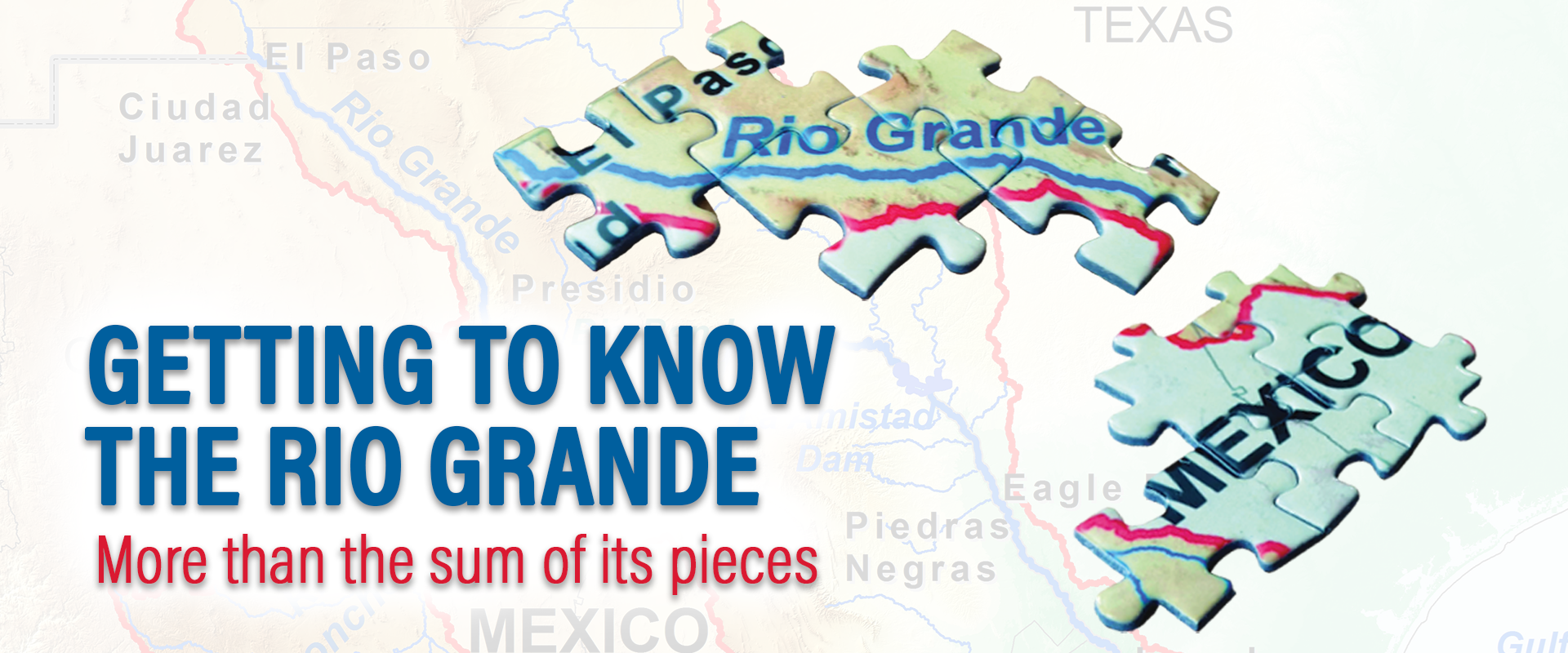
Samuel Sandoval Solis, Ph.D., associate professor in the Department of Land, Air and Water Resources at the University of California, Davis, spoke of the river in familiar terms as an old friend who has fallen on hard times lately. “If you would have known him in his good years, he was a very strong, resourceful person,…
-
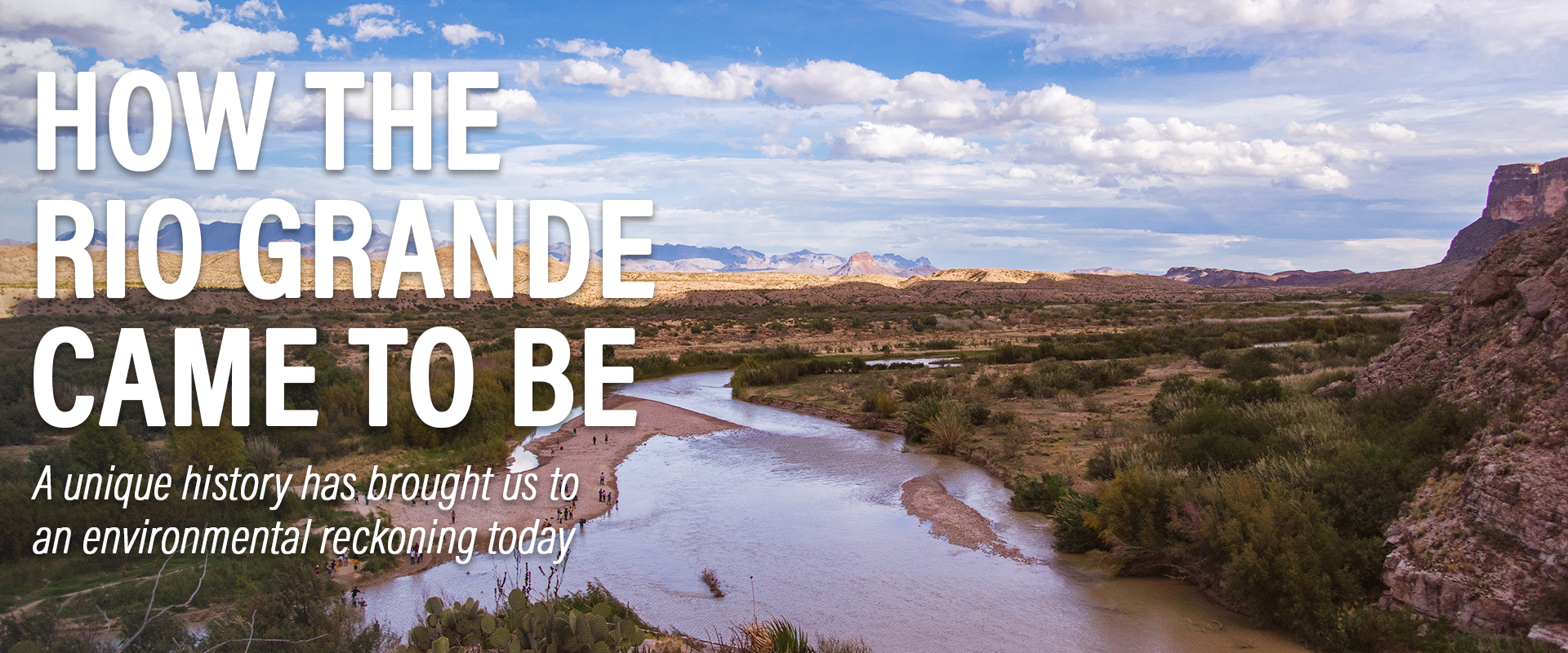
How the Rio Grande Came to Be
Being called the wrong name is significant, Benavides said. It means people know less about where they are, how to identify with the land and how history has shaped that land. “It sounds like playing semantics, but it’s a big deal if you don’t know exactly what the land is, how your region was created,…