Tag: txh2o
-
Ogallala Aquifer Summit
Assigned seating ensured that people representing different states and stakeholder perspectives would meet and interact. Panels, keynotes and facilitated workshops covered different aspects of “what’s working” in agricultural water management within three main topic areas: producer practice, contributions from science and policy developments. Participants discussed practical aspects of agricultural water use in relation to different…
-
Thomas Marek
“During my junior year in high school, I sat in the front seat of a pickup truck and went through the syllabus curriculum and when I saw ag engineering, I knew what I wanted to be,” he said. “So I enrolled at Texas A&M when I graduated from Bryan High School, and two years later I was in a work…

-
Mixing it up
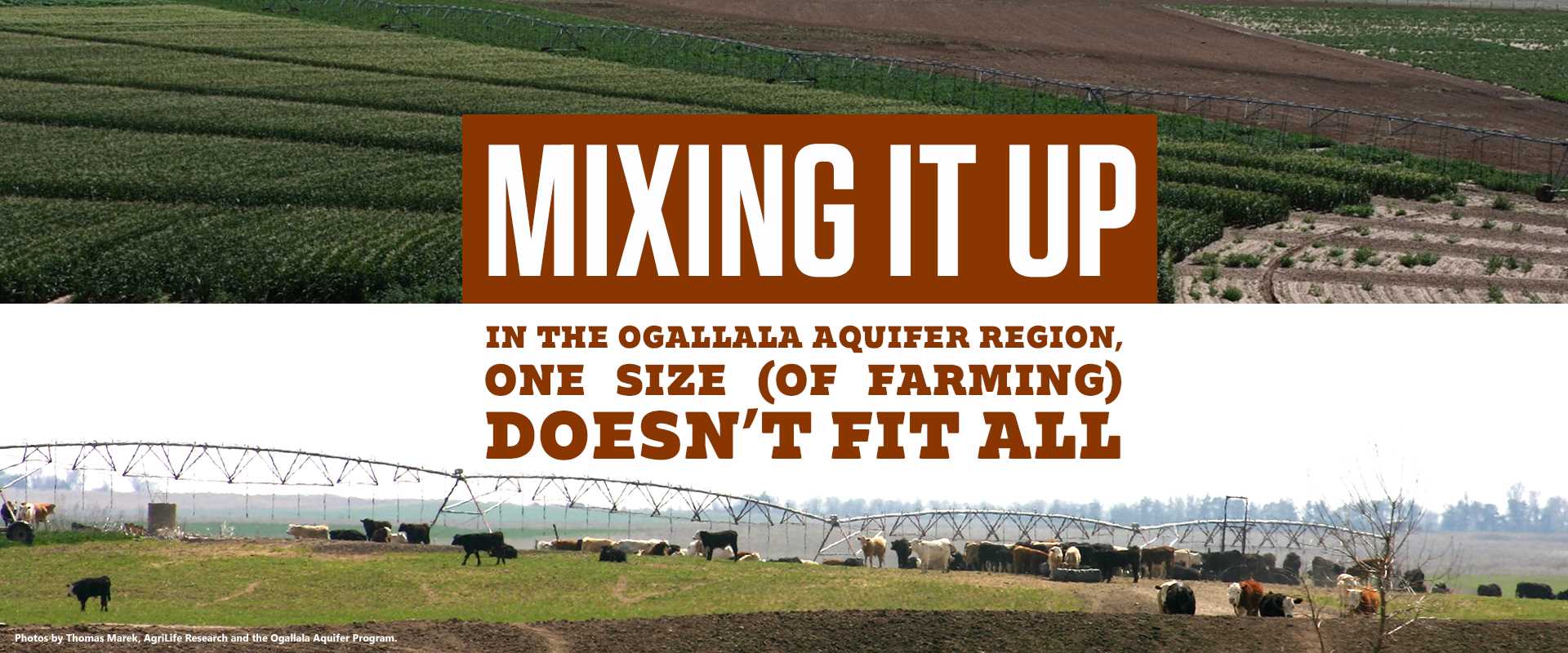
In a typical livestock integrated system in the Ogallala Aquifer region, livestock graze on forage and cover crops in the spring before being turned out onto rangelands, and then rely on forage and grain stubbles supplemented with hay or silage in the fall and winter. Experts in the Ogallala Aquifer Program (OAP) and the Ogallala Water Coordinated Agriculture…
-
Living Life with Less Water
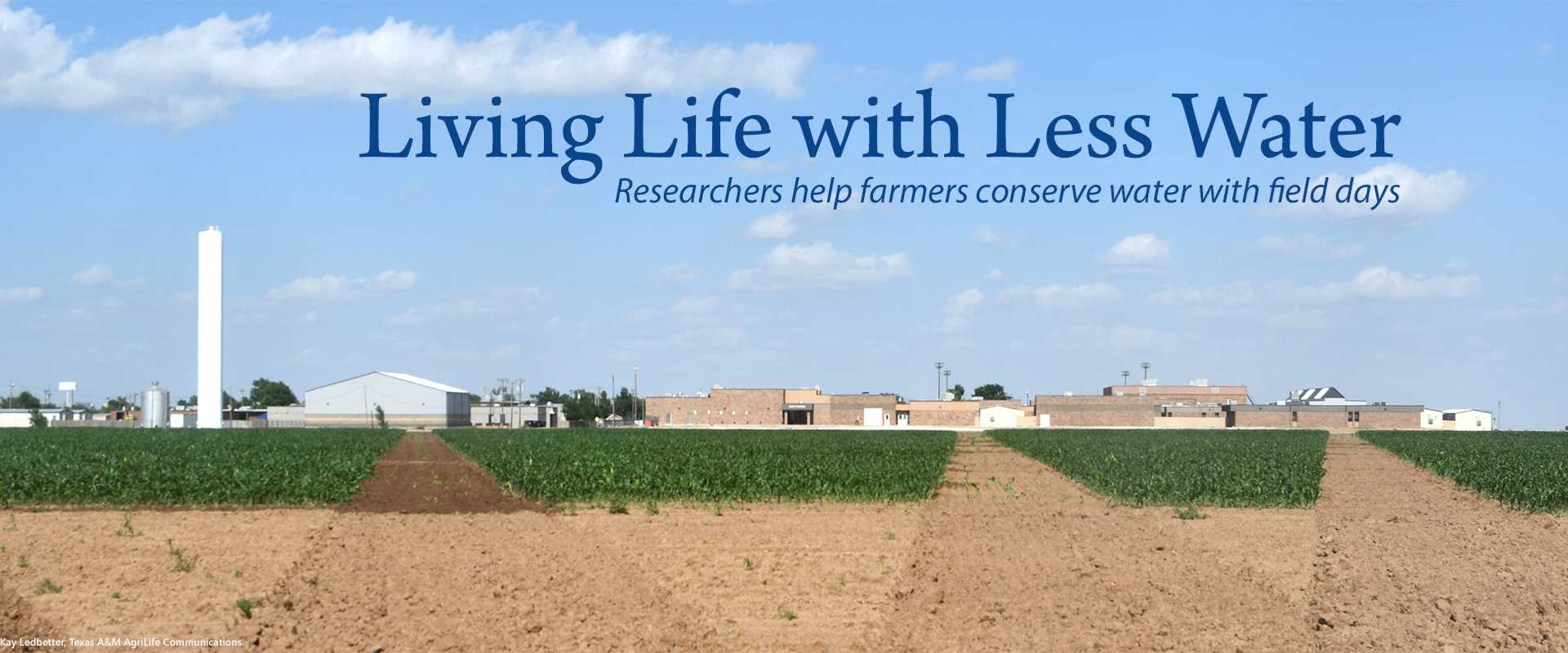
The aquifer’s decline has had a big impact on producers in the Ogallala region, especially for Barry Evans, a cotton and grain sorghum farmer in Kress, Texas in the Texas Panhandle. “I started farming in 1992, and when I first began, I was 100 percent irrigated, and now I am 16 percent irrigated and 84…
-
Celebrating 40 Years
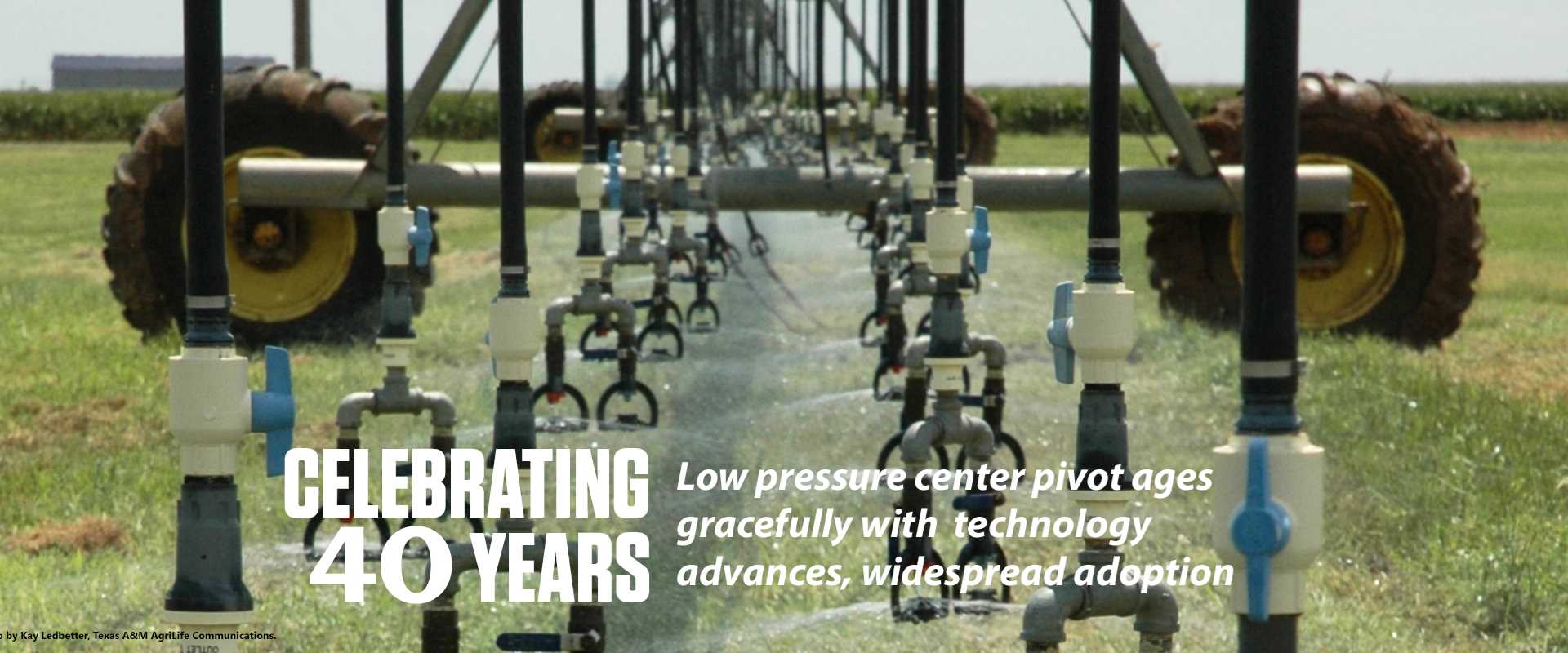
The early days of center pivot irrigation Back in the early 1950s, Frank Zybach, a farmer and inventor, sought a better way to irrigate without using flood or furrow irrigation. He developed an irrigation machine and applied for a patent. His patent for the “Zybach Self-Propelled Sprinkling Irrigation Apparatus” was approved in 1952. While he…
-
21st Century Irrigation
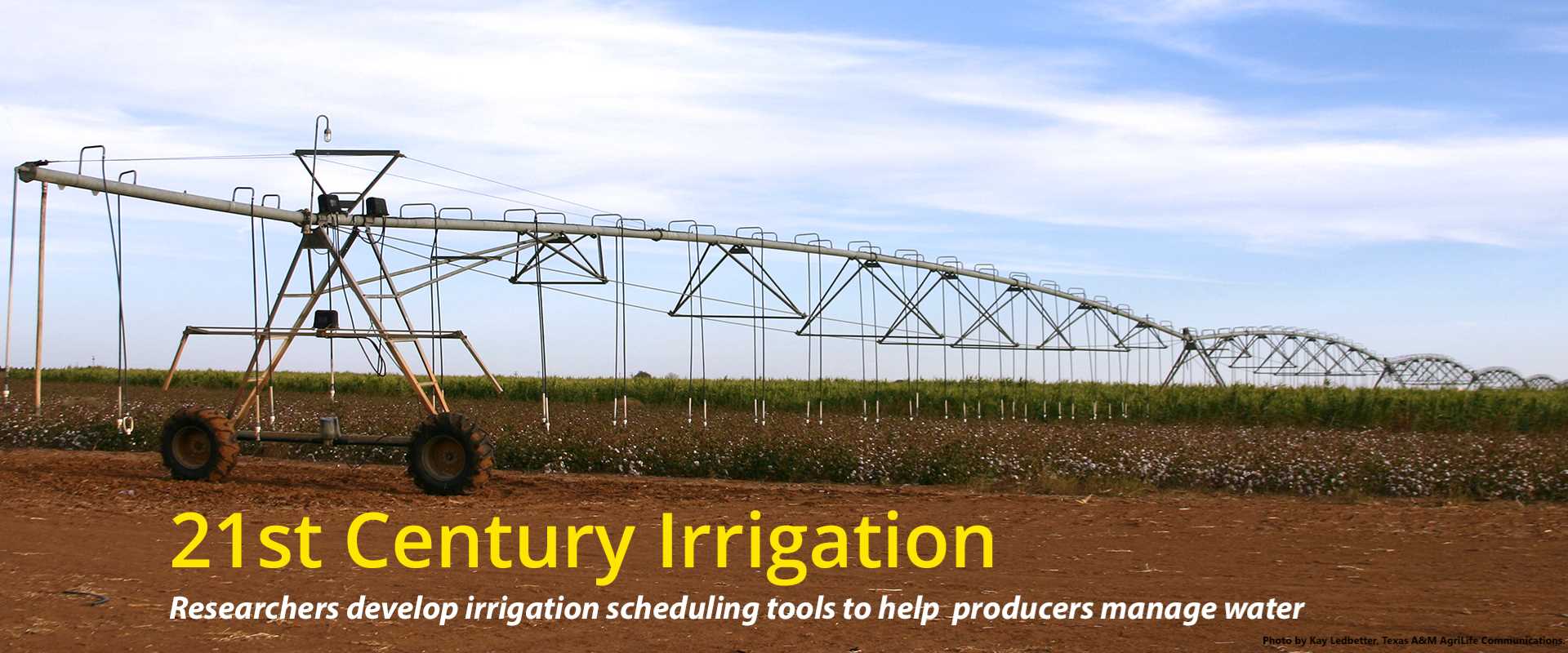
Using smart, precise technology to irrigate The Dashboard for Irrigation Efficiency Management (DIEM) is a software tool that helps producers schedule field-specific irrigation that optimizes yield and water-use efficiency based on rainfall and irrigation availability. While other irrigation scheduling tools are available, the DIEM is unique because it looks at the available water and plans for the…
-
Q&A with Dr. Dave Brauer and Dr. Meagan Schipanski
However, water table levels in some parts of the aquifer are declining and, particularly in the southern half of the aquifer, recharge is small compared to depletion. With the decline of the aquifer, many fear the decline of the sustainability and continued success of the region. The Ogallala Aquifer Program (OAP) and the Ogallala Water Coordinated Agricultural Project (Ogallala…

-
Where in the world are they now?
“Nationally, when we get together as directors and organizations, one of our talking points is how this program has created the next generation of water leaders in this country and beyond,” said Dr. John C. Tracy, TWRI director. Tracy said the USGS grant program is important to each state across the nation and is a…

-
Compiling a puzzle
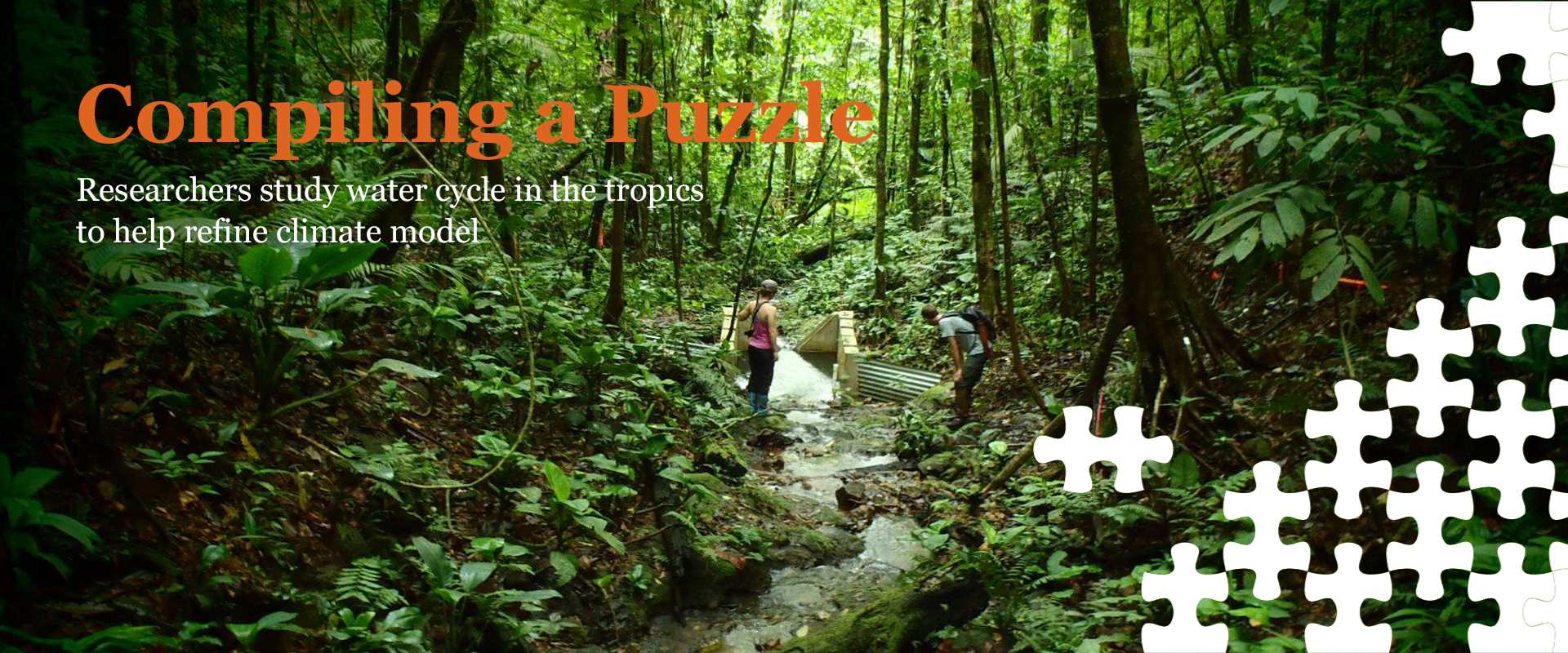
Particularly, Moore said, they wanted to improve the modeling of fluxes or flow of water vapor and carbon dioxide to and from tropical forests with a particular focus on transitions between wet and dry canopy conditions. Having a better understanding of the climate processes in the tropics is important, Miller said, because weather and other…
-
Water Scientist by Profession, Humorist by Choice
The Meadows Center, part of Texas State University, focuses on developing and promoting programs and techniques dedicated to ensuring sustainable water resources for human needs, ecosystem health and economic development, according to its website. “This position seemed rather perfect for me because I had worked at a state agency with a lot of interaction with…