Tag: txh2o
-
Working For Tomorrow’s Water
The need for wastewater workers is not a new problem. An article called “Water, but No Workers” appeared in the summer 2019 issue of txH2O that discussed the role educational institutions in Texas were filling by providing more water-related education to support those in the workforce and produce graduates ready to fill the growing need…

-
Deciphering Big Data and Water
Big data is used as the proverbial raw material that water researchers and water managers use to derive models, look for trends and train artificial intelligence (AI). It is necessary for making predictive tools about water. In short, big data is the grease that makes digital farming, adaptive resource management and smart water systems run.…

-
Bigger is Not Always Better: Decentralizing Texas’ Wastewater Infrastructure
Centralized systems: wastewater treatment plants Centralized systems or wastewater treatment plants (WWTPs) are the most common type of wastewater treatment. According to the American Society of Civil Engineers (ASCE), there are more than 16,000 WWTPs in the country. On average, these facilities operate at 81% of their designed capacity. They treat about 62.5 billion gallons of wastewater…

-
Storms, Saltwater, Sewage and Air: Finding Freshwater in a Changing World
“As the population grows, and as climate change becomes really concerning, how can we accommodate these growing droughts?” he asked. To meet that challenge, researchers are looking for freshwater in unexpected places. Stormwater Scanlon explained the first place to find freshwater is by looking at the “too much” part of the water crisis: capturing water…

-
txH2O highlight: Diversifying water portfolios
Having enough water for growing populations in Texas is an important issue for city water utilities to anticipate. In the article Diversifying water portfolios, from the summer 2019 issue of txH2O, El Paso Water and San Antonio Water System (SAWS) describe the water management strategies they have implemented to supply enough water to their growing populations. In an…
-
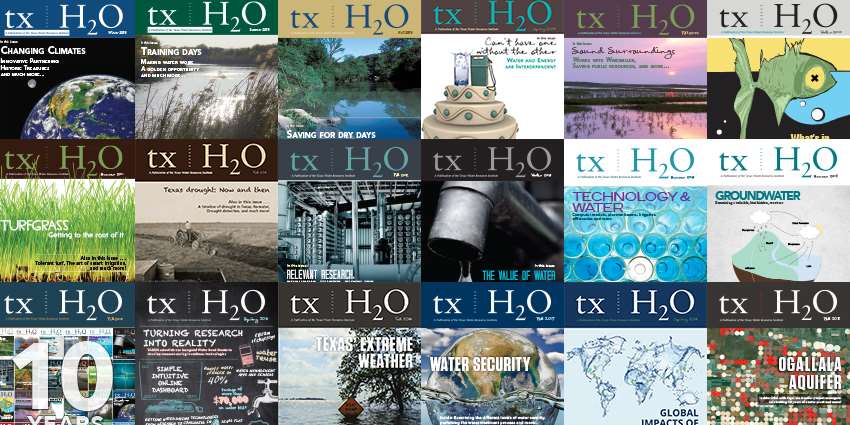
Sneak preview: Fall 2021 txH2O
The fall 2021 issue of txH2O magazine, a publication by the Texas Water Resources Institute (TWRI), will be available soon. This issue’s theme is the future of water, with a focus on the outlook of water infrastructure, workforce needs and alternative water sources. The articles examine how climate change and other water challenges affect the future of…

-
New txH2O issue is published with a focus on the Rio Grande
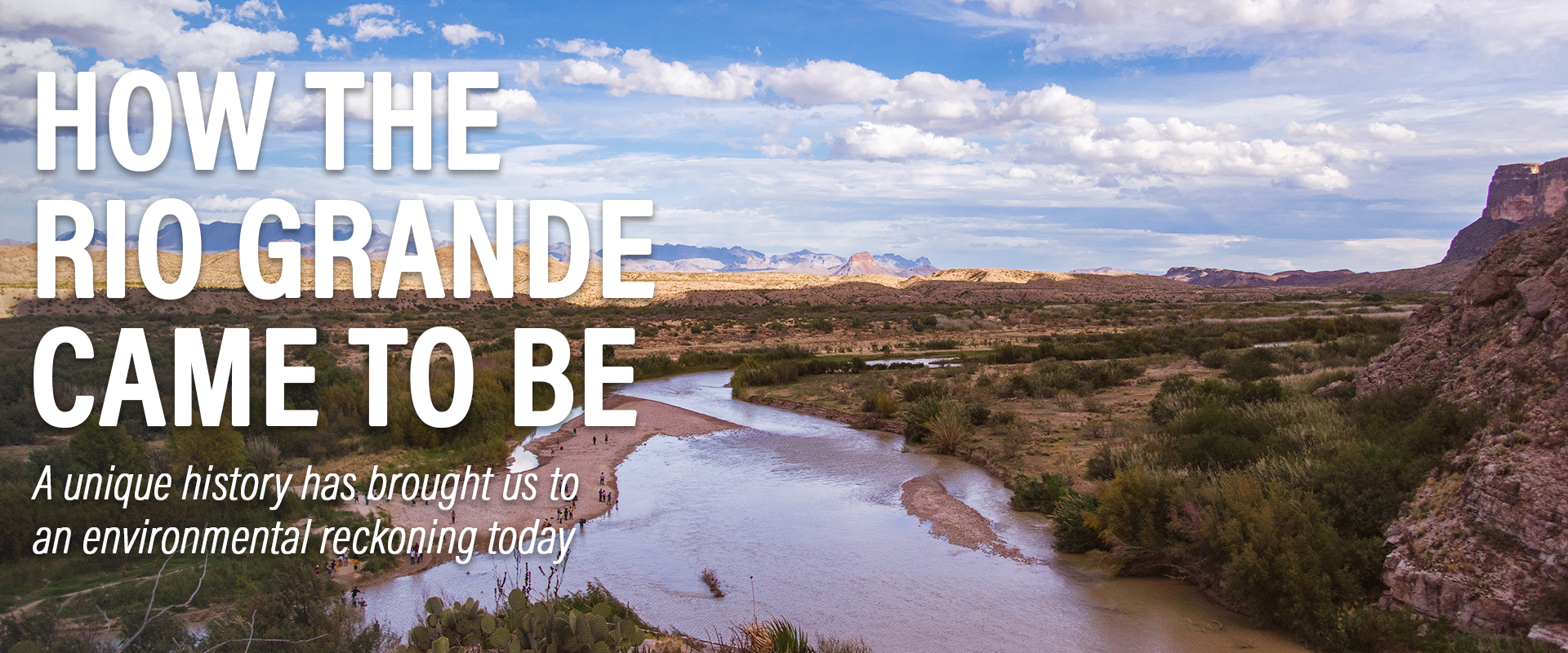
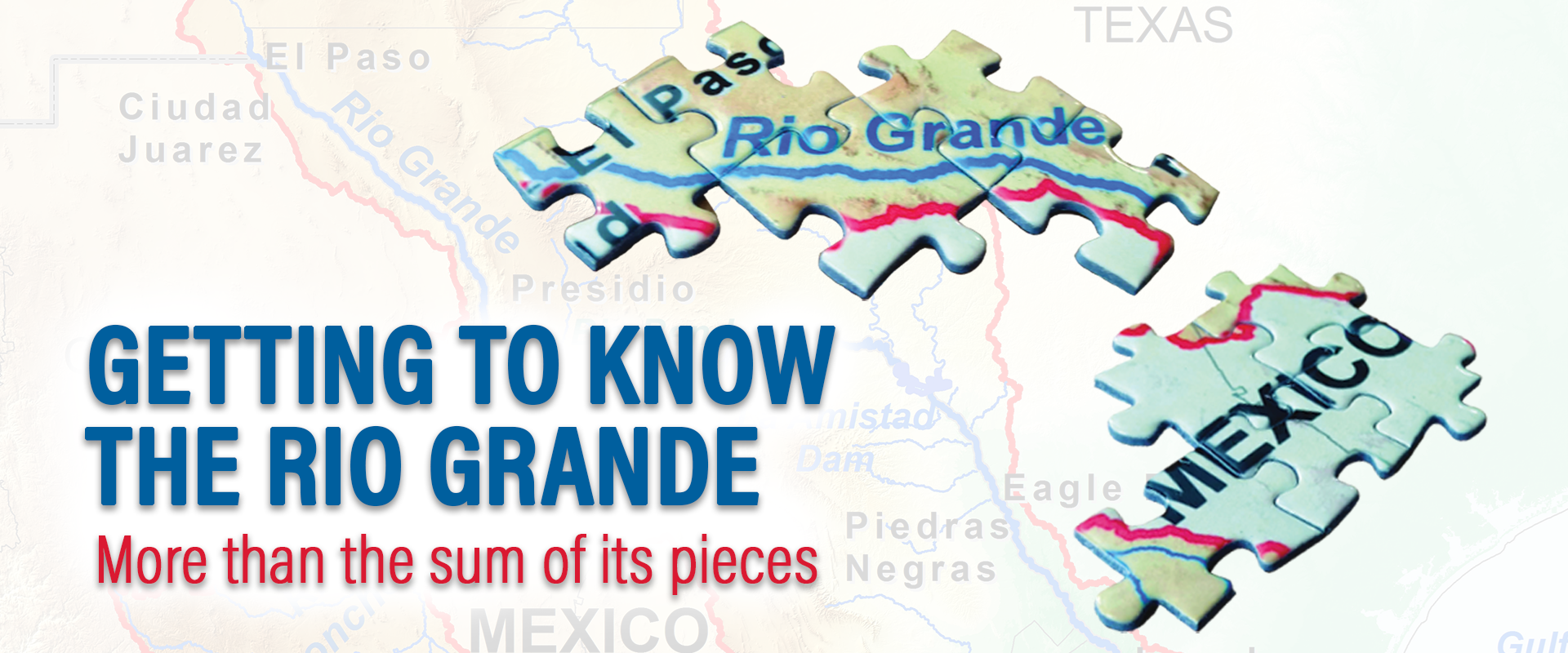
The Texas Water Resources Institute recently published the Winter 2021 issue of its magazine, txH2O, spotlighting the Rio Grande. Staff writers interviewed water researchers, irrigation experts, water district managers and more to learn about the issues along the big river and research efforts in place to overcome these challenges. The articles Getting to Know the Rio Grande and How the…

-
txH2O highlight: Extremely expected
Article originally written by Ava English Texans are no strangers to extreme weather events such as drought, flood and now freeze. In light of the severe winter storm that hit Texas earlier this year, this month’s txH2O highlight is Extremely Expected from the Texas’ Extreme Weather issue of txH2O. This article offers a few explanations from climate experts about…
-
Getting to Know the Rio Grande
Samuel Sandoval Solis, Ph.D., associate professor in the Department of Land, Air and Water Resources at the University of California, Davis, spoke of the river in familiar terms as an old friend who has fallen on hard times lately. “If you would have known him in his good years, he was a very strong, resourceful person,…
-
How the Rio Grande Came to Be
Being called the wrong name is significant, Benavides said. It means people know less about where they are, how to identify with the land and how history has shaped that land. “It sounds like playing semantics, but it’s a big deal if you don’t know exactly what the land is, how your region was created,…