

Tag: txh2o
-
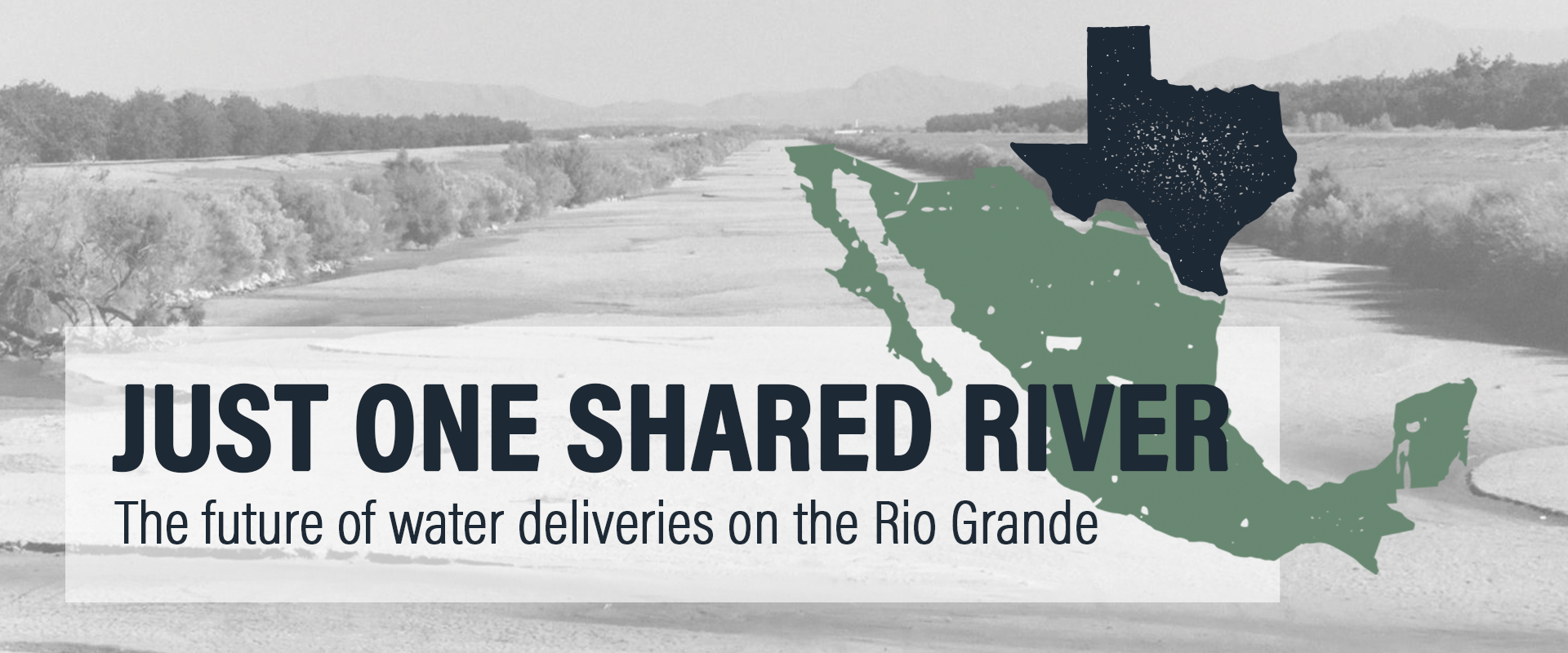
Just One Shared River
Prior to the Oct. 24 delivery deadline, tensions strained to the breaking point in Mexico. Farmers from the Mexican state of Chihuahua protested the government delivering water to the U.S. aggressively throughout the year. They were angry that what they felt was their water — the means to their livelihood — was being given away. Tensions were…
-
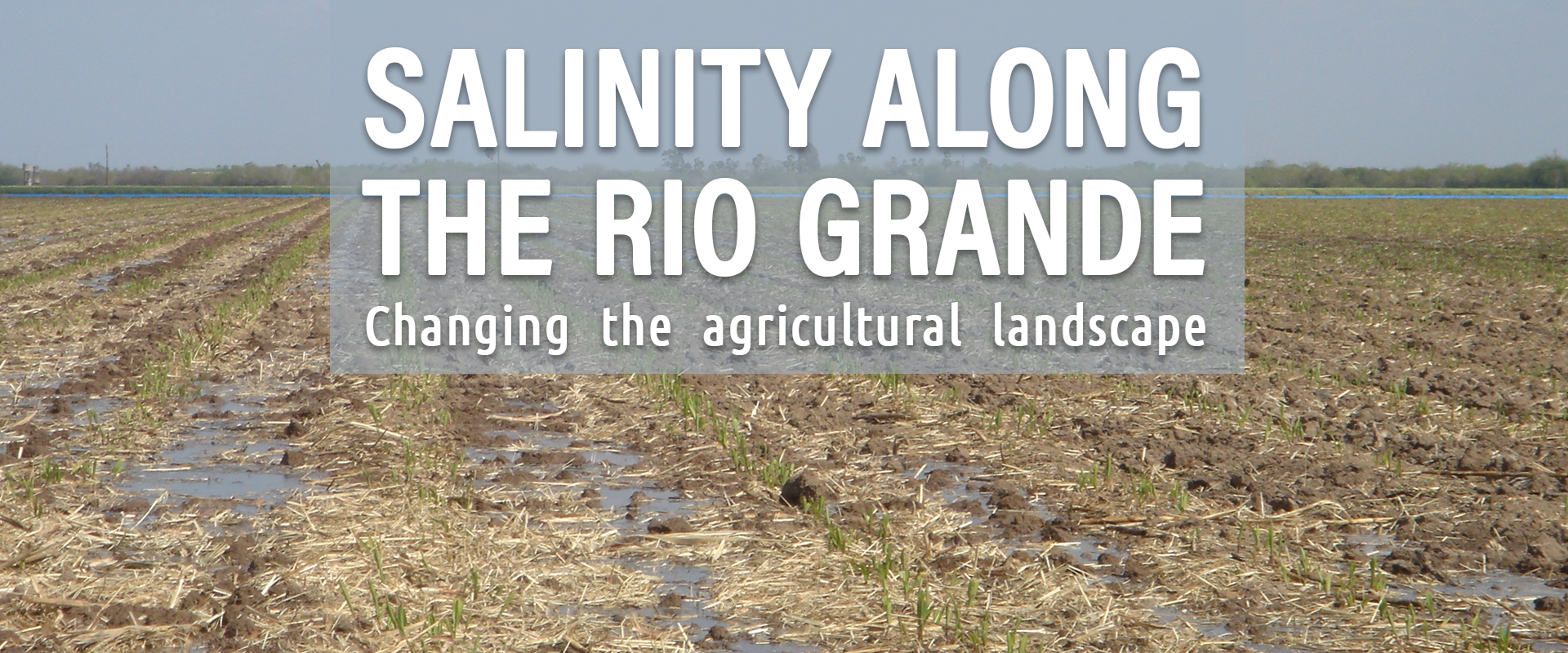
Salinity Along the Rio Grande
As the Rio Grande makes its way from its snowmelt-fed headwaters in Colorado to its outlet in the Gulf of Mexico, 80% of the water is diverted for agriculture. “We are a very dry state; we don’t have enough water,” Enciso said. “We have to be very careful about not overusing the water.” Many of…
-
The Community Keeping a Little River Working
Initially organized by two smaller groups of local stakeholders formed in 1998 as part of the State of Texas total maximum daily load (TMDL) process, the ACWP has since grown into an innovative group of local stakeholders and leaders. It collaboratively works with federal, state and private organizations to improve the health and function of…

-
When Binational Waters United
How it all began “As every other great idea, it started with a drink and a napkin,” said Rosario Sanchez, Ph.D., director of the Permanent Forum of Binational Waters and Texas A&M AgriLife Research senior research scientist at the Texas Water Resources Institute. While talking with colleague Chris Scott, Ph.D., at the University of Arizona, about their different events…

-
Why Agricultural Water Efficiency Efforts Don’t Always Pencil Out
With urban growth expected to continue, agriculture dependent on the Rio Grande must be ever more water efficient. Producers in the area know this; the Irrigation and Water Management Surveys show that three out of every four area farmers and ranchers listed water conservation as a priority in 2018. That number was only two out of three…

-
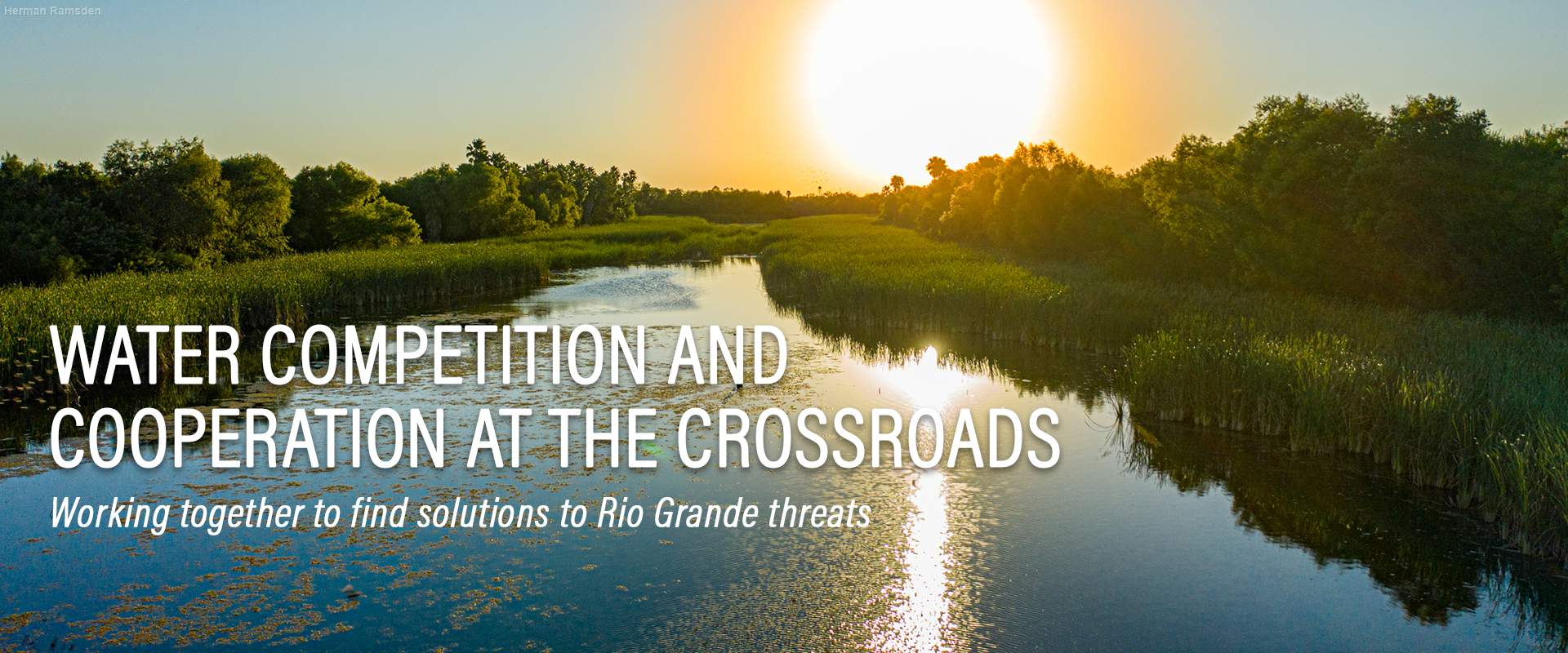
Water Competition and Cooperation at the Crossroads
As the region’s population grows and the climate warms, working together to share the river’s water is more important — and harder — than ever, said Bill Hargrove, Ph.D., former director of the University of Texas at El Paso’s Center for Environmental Resource Management. “We draw out of the same river, and we draw out of…
-
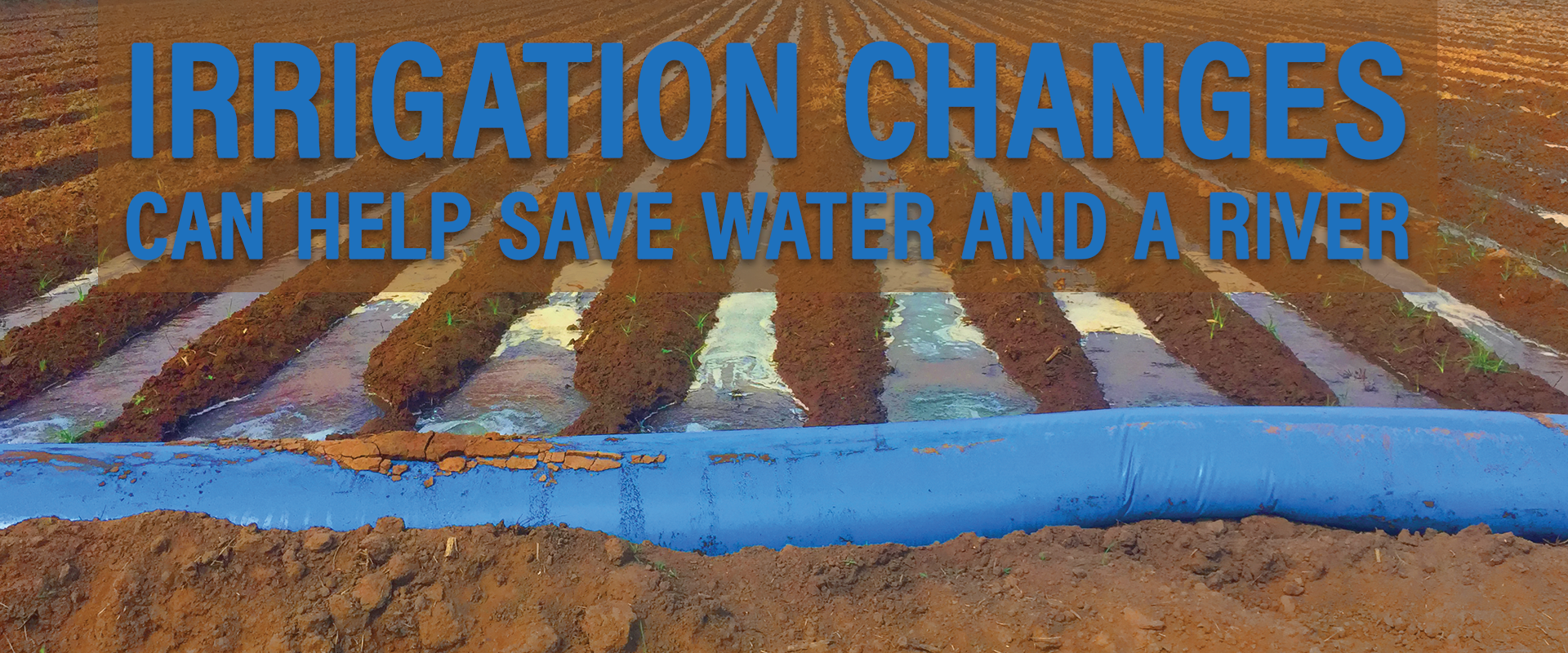
Irrigation Changes Can Help Save Water and a River
Tom McLemore, general manager of the Harlingen Irrigation District, explained that to irrigate, farmers must contact the irrigation districts and request a water ticket. “So normally a farmer walks in on a Monday and says, ‘I need to buy 40 acres worth of water, and I want to irrigate it next Friday,’ then we can order…
-
txH2O highlight: Living life with less water
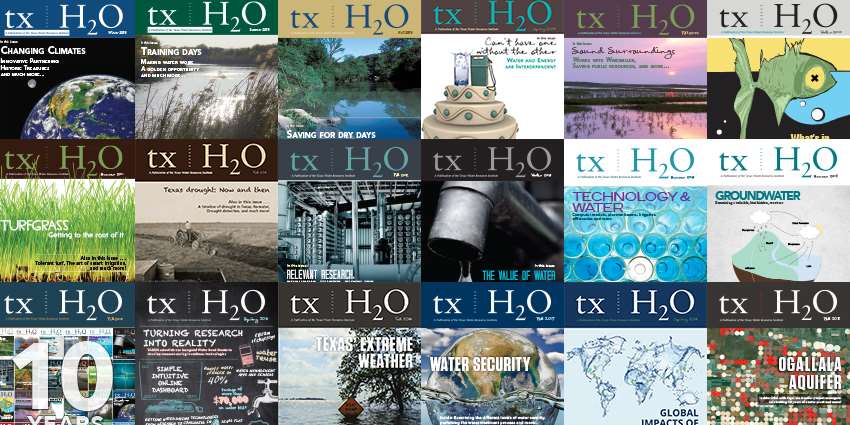
With Groundwater Awareness Week in March, we are highlighting an article from the Ogallala Aquifer edition of the fall 2018 txH2O, Living life with less water. Farmers and researchers were interviewed about the declining water supply in the Ogallala Aquifer, the largest aquifer in the United States. Many rely on outreach programs such as the Texas Alliance for…
-
TWRI’s Winter 2020 txH2O published
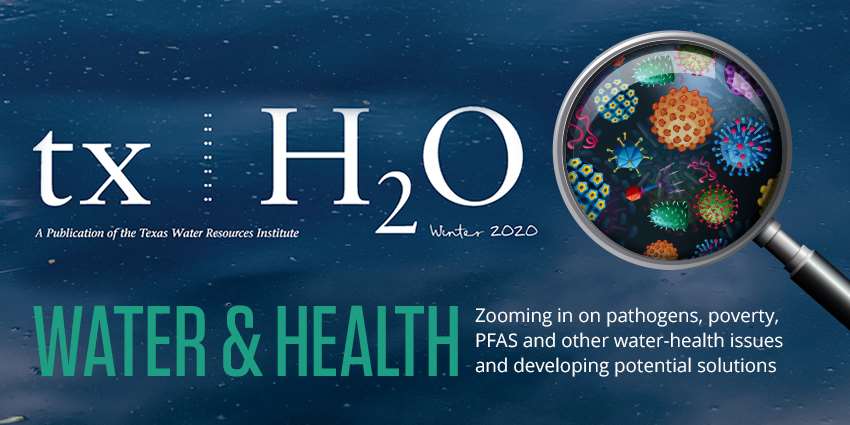
We recently published the Winter 2020 issue of our magazine, txH2O, highlighting the connection between water and health, such as pathogens, poverty, PFAS and other water-health issues and developing potential solutions. Check out these articles : TWRI interviewed experts from Texas A&M University’s Zachry Department of Civil and Environmental Engineering, Department of Soil and Crop Sciences, Department of Geography, Department of Electrical…
-
Pervasive problem
Those bonds make them so good at persisting in the environment and the human body that they’ve earned the nickname “forever chemicals.” PFAS are also highly heat resistant and repel both water and oil, which is why they are used in firefighting foam. Dr. Kung-Hui “Bella” Chu, a professor in Texas A&M University’s Zachry Department of…


