Tag: txh2o
-
Protecting Drinking Water
Arsenic is just one of the many contaminants that has been regulated by EPA under the SDWA since its establishment. Sometimes, how those regulations are made — and what happens once they’re made — can feel like a bit of a black box. Under the SDWA, EPA sets standards to protect drinking water. When new…
-
Determining Friend from Foe
The current understanding, Han said, is that only about 1% of the microorganisms in the environment are known, and even among that 1%, only a small percentage is well understood. Of those millions of unknown bacteria, some are “friends,” but some may be “foes.” While information learned from this research will potentially help DOD identify…

-
Health at the Nexus of Water Insecurity
Defining water insecurity People often don’t think of water insecurity being a problem in the United States, said Dr. Wendy Jepson, University Professor in Texas A&M University’s Department of Geography. As a result, the water insecurity that does exist can get swept under the rug, she said. “It’s not to say that our entire water system has…

-
Water Quality Challenges in Irrigation
The SmartPath team is focusing its research in states with varying growing conditions to ensure SmartPath will be adaptable to multiple environments. The lead for the project, Dr. Eric McLamore, an associate professor in the Department of Agricultural and Biological Engineering at UF/IFAS, said the plan is to develop, test and implement software that will provide decision-making support…
-
Working wonders with Farrate
The chemistry of ferrate Understanding his research takes a brief review of chemistry. Chemical elements have atoms, and each atom is composed of a nucleus that contains neutrons and protons with electrons orbiting the nucleus. Varying the number of protons or electrons changes the composition and properties of the element. If electrons are removed, the…

-
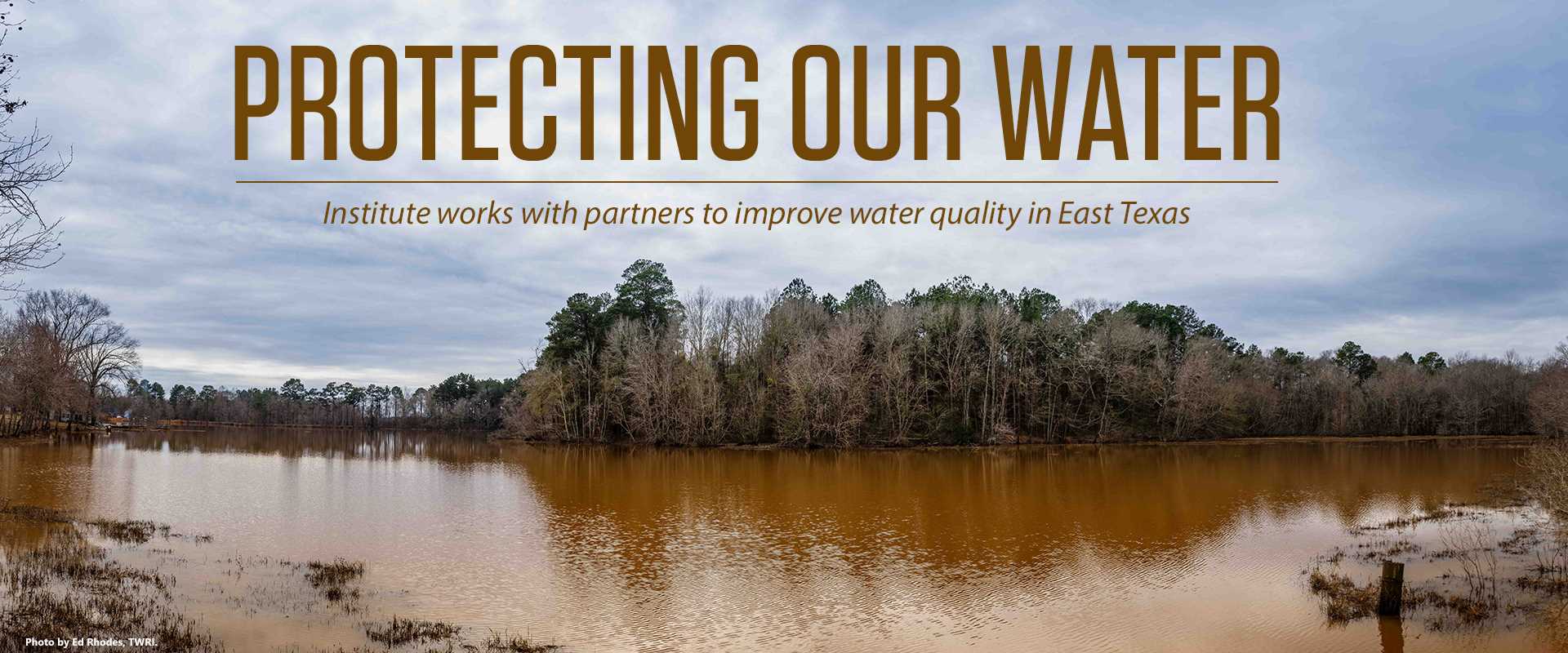
Protecting Our Water
East Texas is one of the major geographic areas where Gregory and others from TWRI work to improve water quality. Across East Texas, 32 water bodies are listed on the 303(d) list as impaired because of bacteria levels. The 303(d) list, which is named for the relevant section of the Clean Water Act, is the…
-
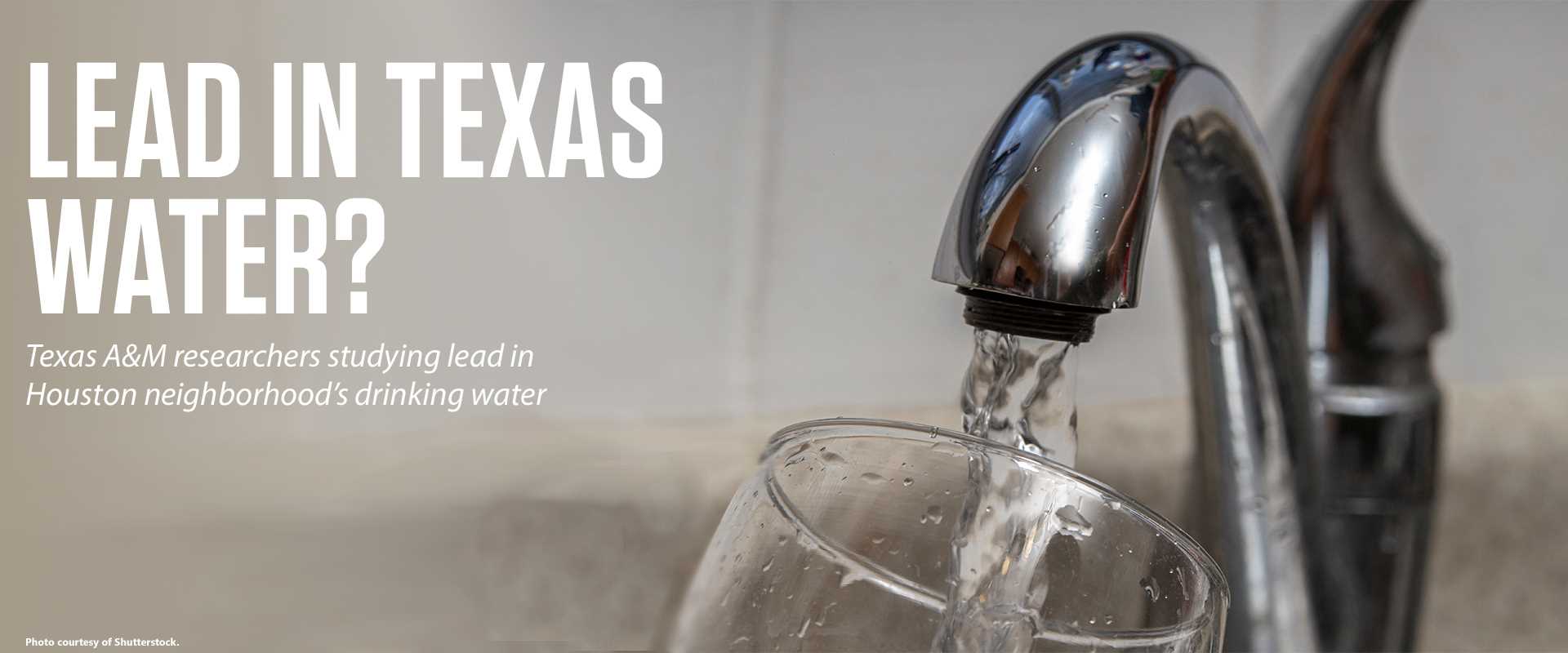
Lead in Texas Water?
EPA’s maximum contaminant level goal for lead in drinking water is zero. Its actionable or enforceable level is 15 parts per billion, meaning that drinking water at that level or above requires the utility to make adjustments to reduce the amount of lead. (See Protecting Drinking Water.) Not enough studies have been done to know the…
-
Kathy Wythe’s TWRI Water Footprint
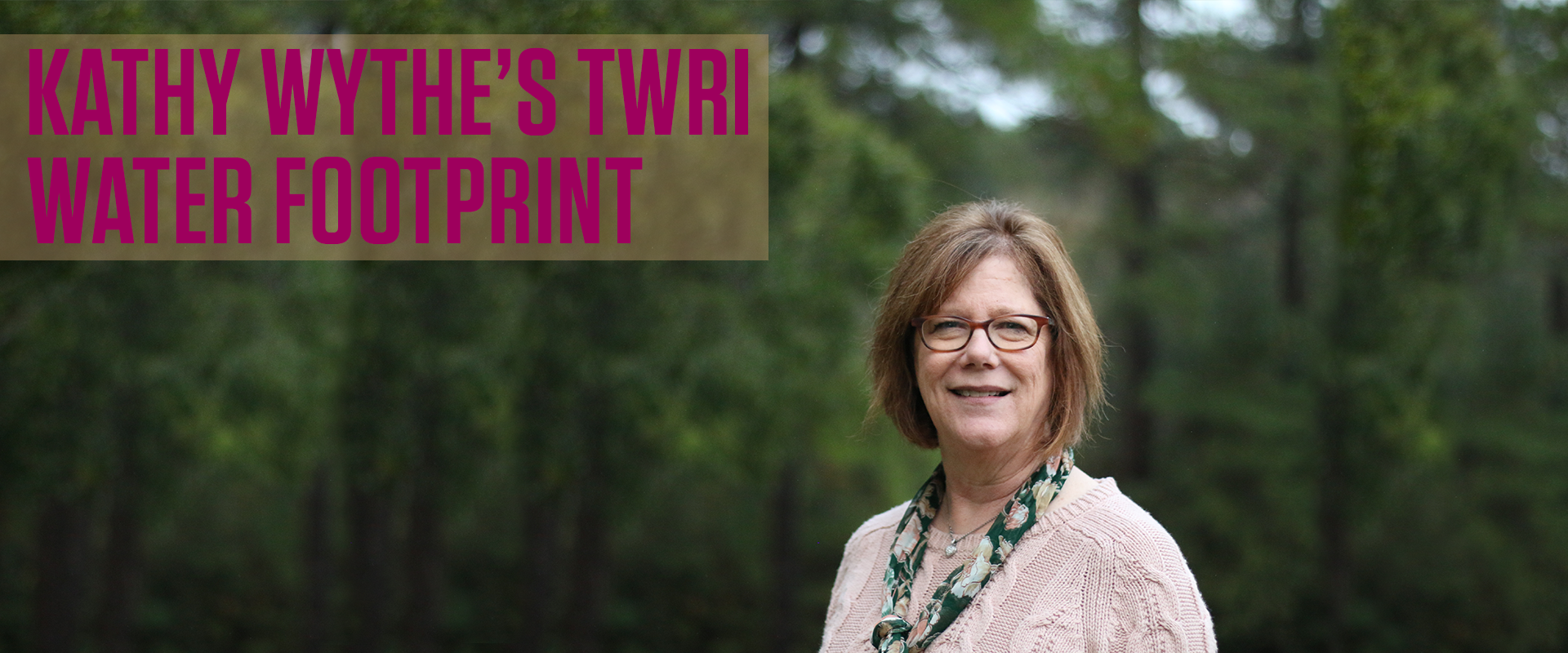
Kathy Wythe, TWRI communications manager for nearly 15 years, retired January 31, 2020. In light of her retirement, her TWRI colleagues wanted to pay tribute to her and her work. For a little over four years now, I have been fortunate to work with so many talented and dedicated people. I quickly realized that TWRI is…
-
txH2O highlight: Safe water = Secure water
With populations increasing, there is an increased likelihood of the need for intensive water reuse, according to experts. August’s txH2O highlight is Safe water = Secure water, an article about Texas A&M University researchers studying ways to remove more chemicals from water during the treatment process. Ingredients found inside everyday items such as Starbucks coffee, Chanel No. 5…
-
TWRI’s Summer 2019 txH2O published
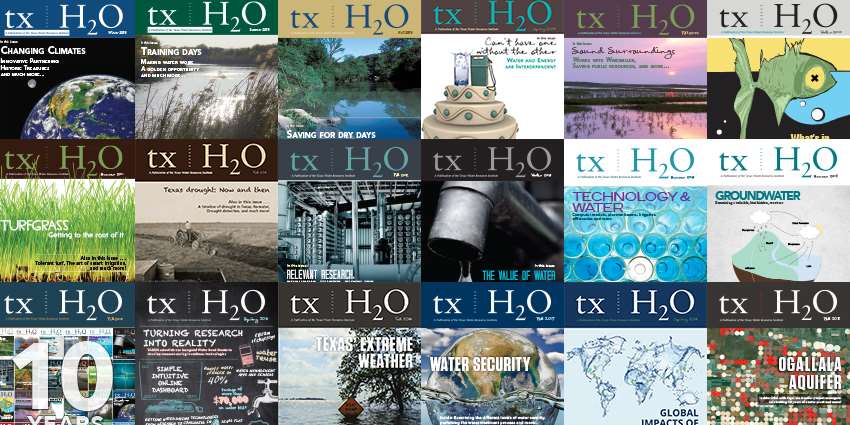
We recently published the Summer 2019 issue of our magazine, txH2O, highlighting Texas water utilities challenges and potential solutions. Articles in this water utility-themed issue: TWRI interviewed experts from the Texas A&M University, Texas A&M Engineering Extension Service, Texas A&M University-San Antonio, Texas Commission on Environmental Quality, Texas Water Development Board, Arlington Water Utilities, Lubbock Water Department, El Paso Water, San Antonio Water System and the City of Lago…