Tag: txh2o
-
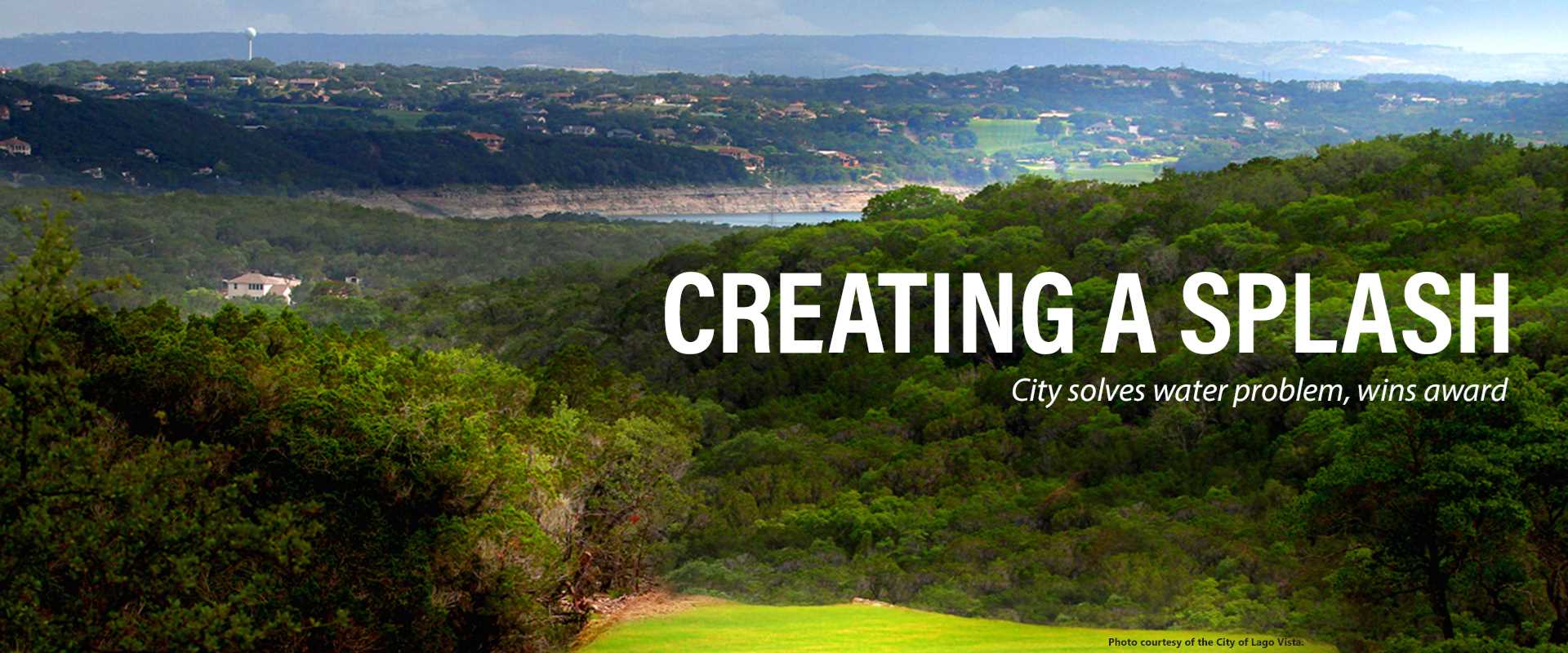
Creating a splash
For its efforts, Lago Vista won the 2019 Texas Environmental Excellence Award (TEEA) in the technical/technology category for its ground storage tank and TTHMs removal project. TEEA, an annual Texas Commission on Environmental Quality awards program, honors achievements in environmental preservation and protection. Since 1993, the program has honored more than 250 successful environmental projects and efforts. The city…
-
Diversifying Water Portfolios
San Antonio: game-changing strategies For years, the Edwards Aquifer, one of the most productive aquifers in the United States, supplied San Antonio residents with their water. Once the aquifer became regulated by the Edwards Aquifer Authority, the San Antonio Water System (SAWS) began looking for new water sources to reduce its reliance on the Edwards. While the aquifer…

-
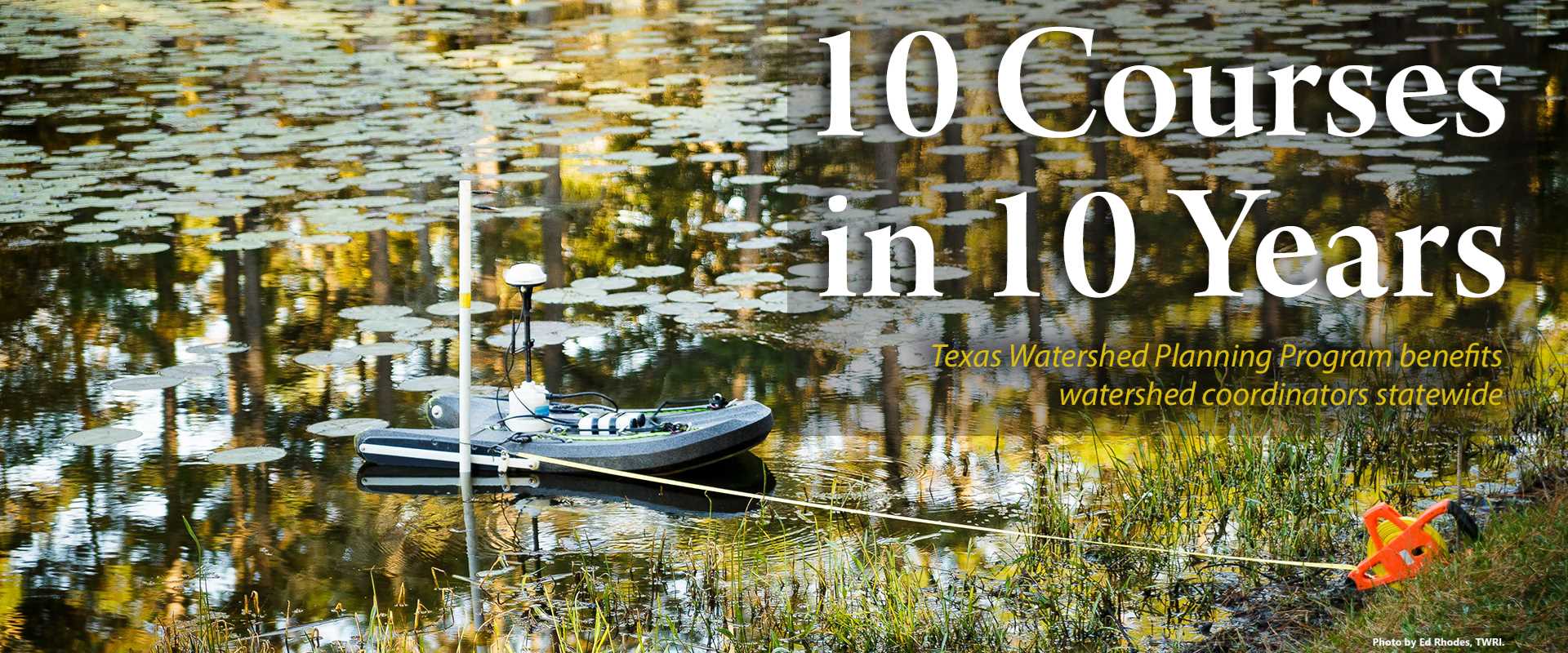
10 Courses in 10 Years
“This is the only watershed planning short course in the state or, in fact, in the nation,” Gregory said. “So far, we have educated almost every watershed coordinator in Texas.” While not a watershed coordinator, Clary, a Hamilton County Commissioner and landowner, believed he had a stake in water quality in his county. He said…
-
New issue of txH2O highlights the Ogallala Aquifer center privot irrigation and more!
Did you know the Ogallala Aquifer is the largest source of fresh groundwater in North America? Or that two U.S. Department of Agriculture (USDA)-funded projects with almost 100 researchers are working to ensure that Ogallala water is used in the best way possible? The Texas Water Resources Institute recently published the Fall 2018 issue of…

-
New issue of txH2O spotlights global impact of Texas water research
The Texas Water Resources Institute recently published the Spring 2018 issue of its magazine, txH2O, highlighting the global impacts of Texas water research. Staff writers interviewed former USGS and Mills scholarship recipients to find out where they are now as leaders in the water industry, Texas A&M University researchers studying the water cycle in the tropics and Texas Tech researchers developing…

-
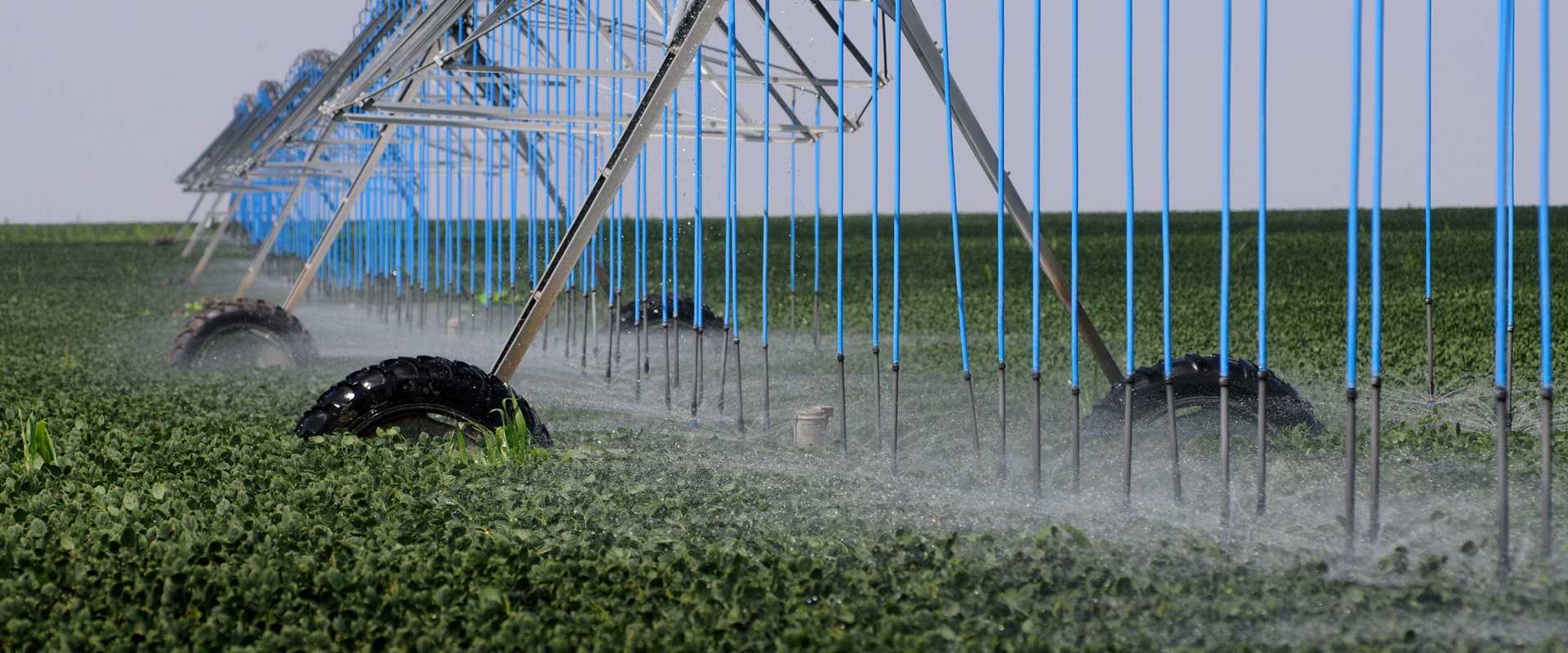
Master Irrigator program: From demonstration to adoption
Agricultural water conservation is extremely important, especially in the Ogallala Aquifer region. Targeting the agricultural water users in the North Texas area, a program began in 2016 that focuses on conserving irrigation: the Master Irrigator program. While Master Gardeners or Master Naturalists may be familiar programs, the Master Irrigator program is a bit different. Master Gardeners and Naturalists focus on horticulture…
-
Talking with Ogallala Aquifer region producers about H2O
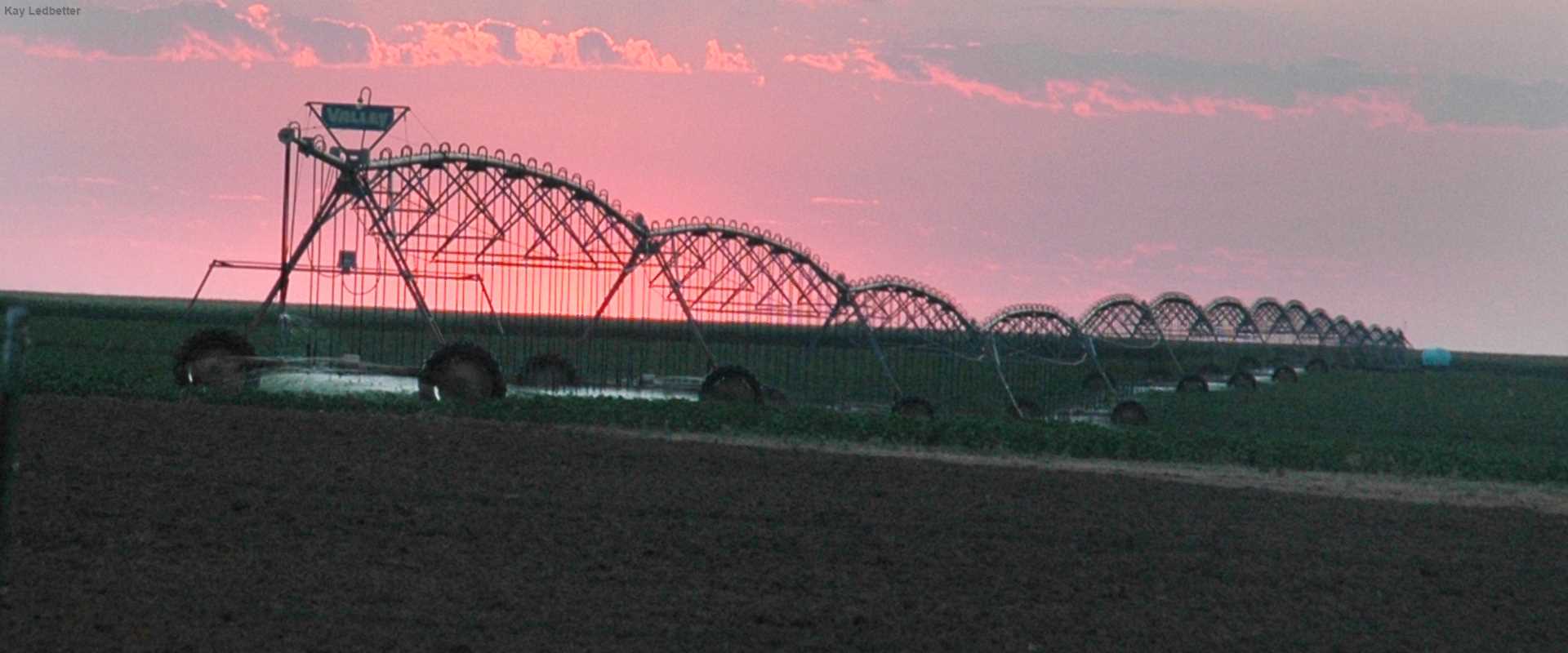
Much of the water under the Ogallala Aquifer region is declining at a faster rate than it recharges by rainfall. What does the dwindling supply of groundwater mean for the producers in this region? txH2O talked to a few producers about what it is like farming on a declining water resource. Bob Meyer: Canyon, TX We definitely…
-
Irrigation consortium to help equip farms of the future
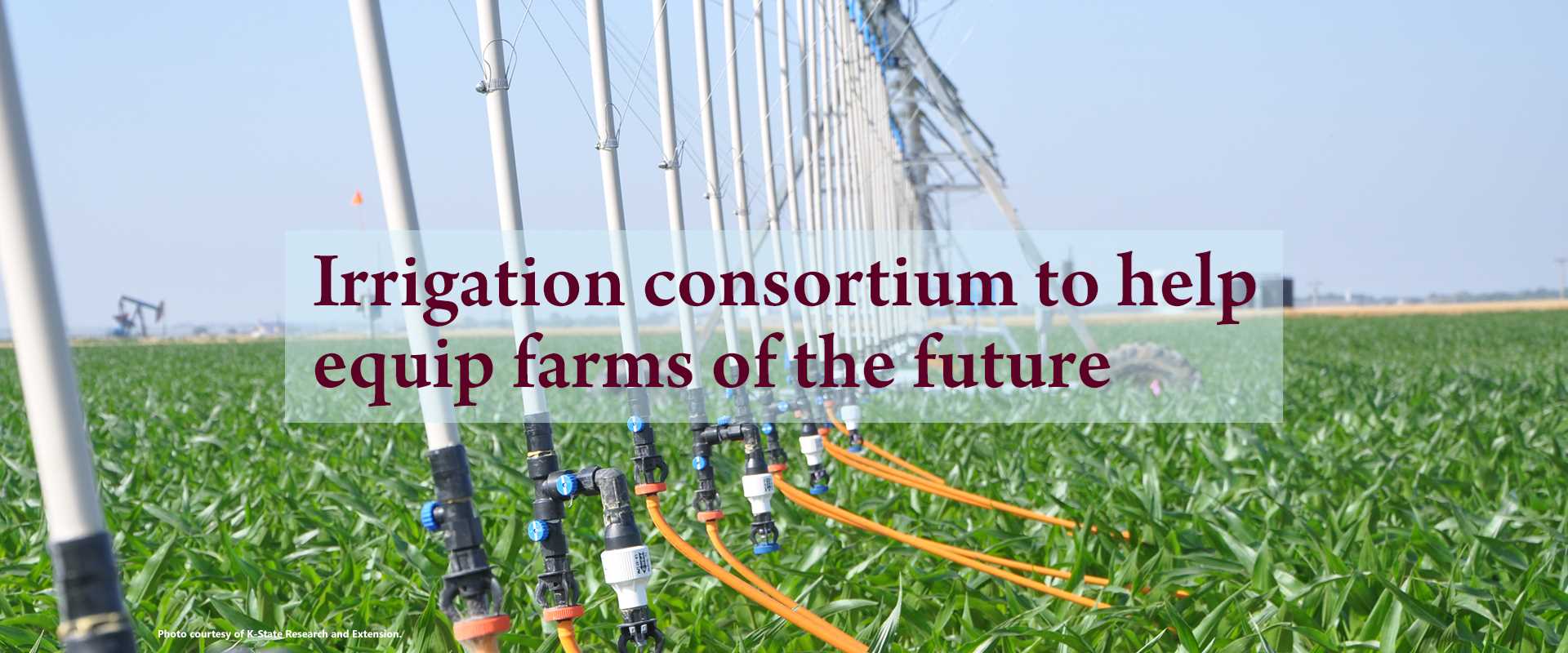
Four universities that are part of the Ogallala Aquifer Program and the Ogallala Water Coordinated Agriculture Project are involved in a new group that will advance irrigation innovation to equip “farms of the future,” according to officials. The Irrigation Innovation Consortium was launched in 2018 as part a five-year, $5 million grant from the Foundation for Food and Agriculture Research (FFAR), a nonprofit…
-
Looking at the bigger picture
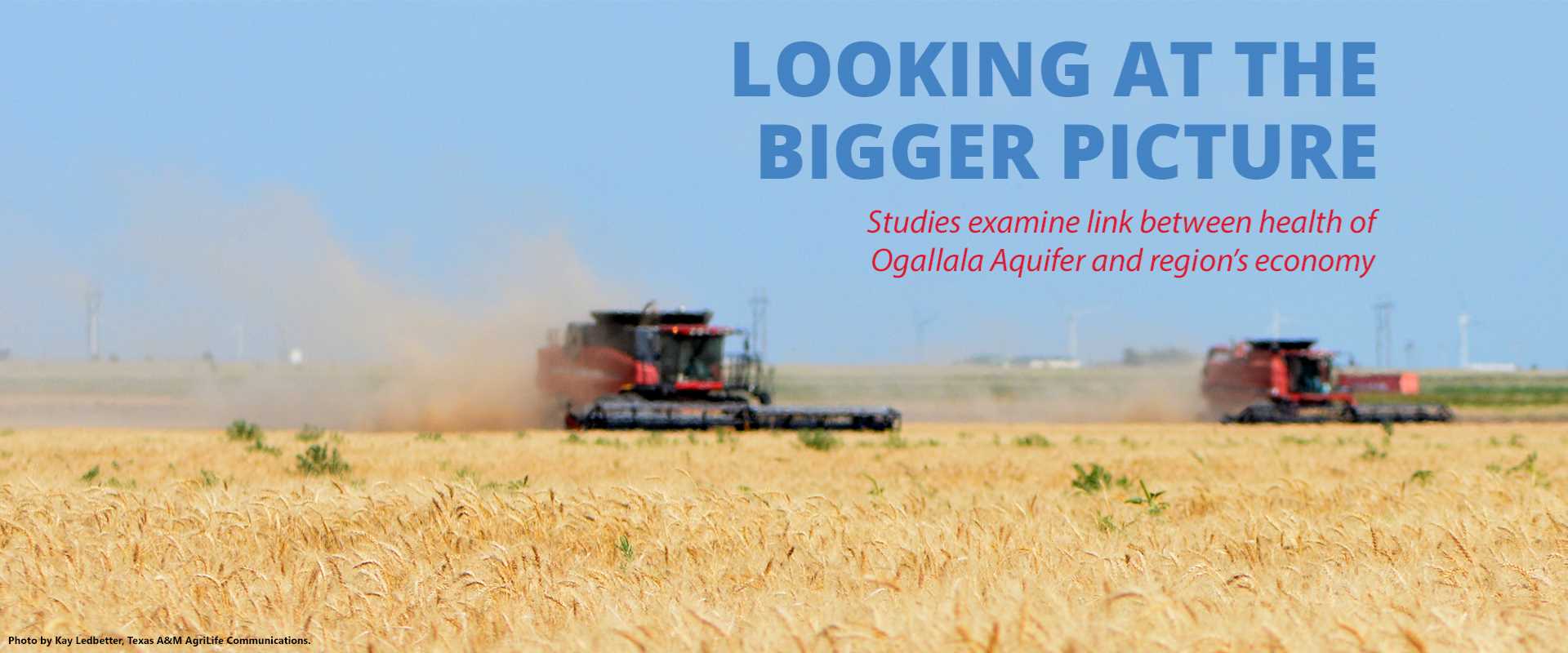
As water levels in the Ogallala Aquifer continue to decline, reducing producers’ ability to irrigate crops, what will happen to this robust economy and the agricultural industries the nation depends on so much? Many are asking this question, in particular researchers from two USDA-funded Ogallala Aquifer projects. They are trying to understand the current picture…
-
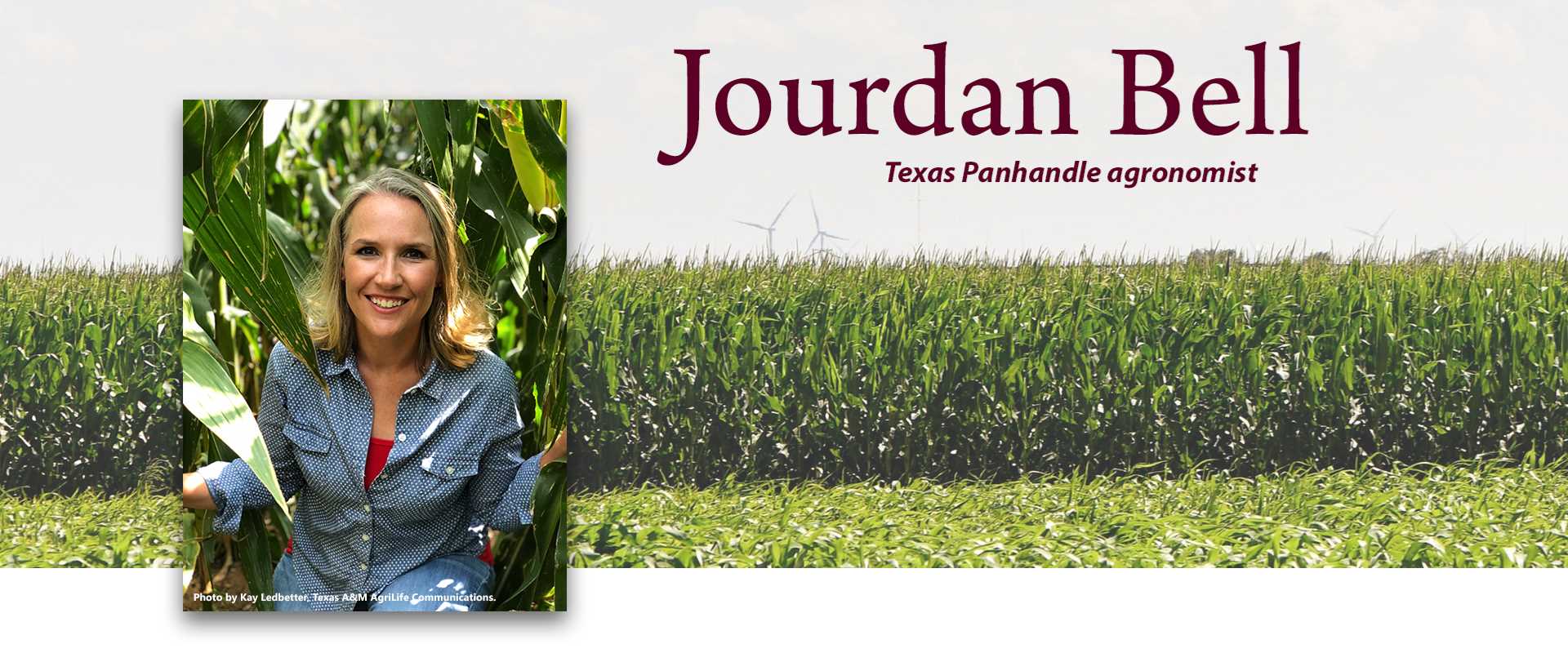
Jourdan Bell
For farmers dependent on the availability of groundwater from the Ogallala Aquifer in the Texas High Plains, the challenge is having enough water. “The Texas High Plains is an agricultural-based economy, so optimization of agricultural production is important at many levels,” Bell said, “but the future of High Plains crop production is dependent on how well we conserve soil and water…