Category: 2020
-
Sewer surveillance: A potential public health tool
Article originally written by Kerry Halladay The phrase “mirror of society” often conjures up lofty human pursuits like art and literature. But there are other, less flattering, human products that should come to mind. “Sewage is a mirror of society,” asserted Dr. Gertjan Medema. “For a virus’ prevalence in a community, I think sewage is…
-
TWRI is looking for an irrigation specialist, web designer
Article originally written by Kerry Halladay The Texas Water Resources Institute (TWRI) is hiring for two, full-time staff positions at its College Station, Texas office. Applications are being accepted for an irrigation specialist and a web designer. The irrigation specialist (Program Specialist III) will support the development and delivery of agricultural irrigation education programs, primarily…

-
txH2O highlight: Unlocking secrets of the vadose zone
Not only does the earth contain hidden answers for archeologists, it has answers for water researchers as well. The vadose zone, the layer of earth that lies between topsoil and groundwater, could have answers for drought prediction and mitigation according to the fall 2012 txH2O article, Unlocking secrets of the vadose zone. Understanding the vadose zone…
-
Dr. Becky Bowling on the future look of urban Texas
Article originally written by Kerry Halladay “I saw a really neat opportunity in this new role to explore some ideas in urban landscape management that maybe have not been fully explored yet and to engage with parts of the population that we may not currently have a relationship with.” “Dallas is a really great place…
-
TWRI releases the 2019 Annual Report
The Texas Water Resources Institute (TWRI) has published its latest Annual Report, focusing on accomplishments and project highlights from 2019. TWRI gathers data, evaluates water quality changes over time and actively works with involved stakeholders to develop local solutions. In East Texas, many water bodies are considered impaired because of bacteria levels. Sources of bacteria include…

-
Texas Water Journal publishes new book review in Volume 11
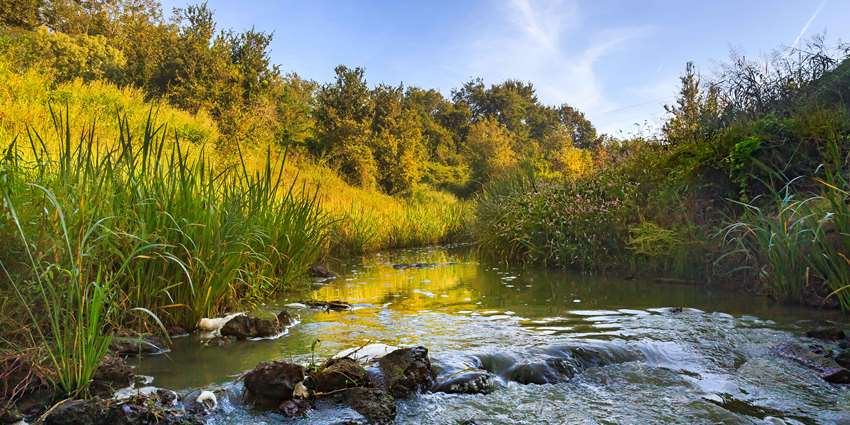
The Texas Water Journal published a new book review in the Volume 11 issue titled “Book Review: Regulating Water Security in Unconventional Oil and Gas” by Jessica Foster. The book is a collection of articles authored by professionals from disciplines as diverse as agriculture, zoology, law and economics. According to Foster, the authors take a multidisciplinary look at…
-
Opinion: Rapid Relief—Dealing with water shutoffs during COVID-19
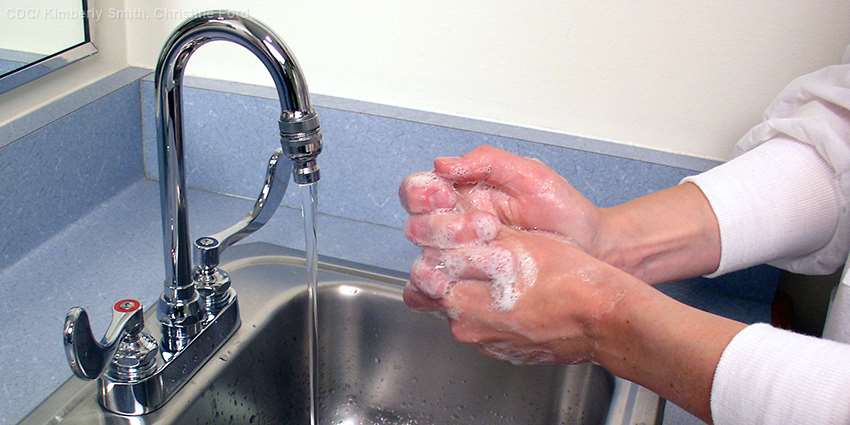
This was originally published March 28, 2020 by Dr. Manny Teodoro on his personal blog and was republished by the Texas A&M University College of Liberal Arts on April 8. It is republished here with permission. The COVID-19 crisis has escalated America’s water and sewer affordability challenge into a full-blown health emergency. Many low-income households struggle to pay for these essential…
-
TWRI’s 10 ways to celebrate Earth Day
April 22, 2020 is the 50th anniversary of Earth Day. To commemorate this occasion, we have made a list of 10 ways to celebrate. Click the links listed below to achieve these Earth Day goals:
-
Trees: Unsung heroes of the water cycle
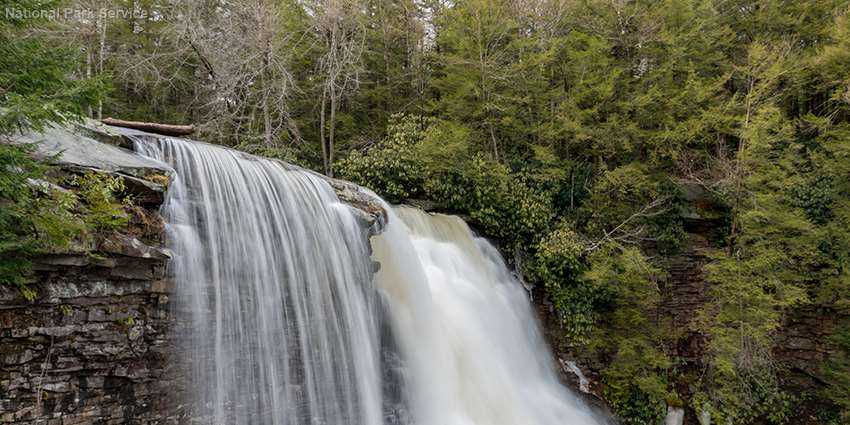
Article originally written by Kerry Halladay Trees, like people, need to “drink” a lot of water. But trees are more than just water users; they are an integral part of the water cycle. As the National Oceanic and Atmospheric Administration points out, the water cycle is often taught as a simple circular cycle of evaporation, condensation and…
-
What is ecohydrology?
Article originally written by Kerry Halladay Just like water touches all parts of life, ecohydrology is a discipline that overlaps a plethora of other fields to better understand how water interacts with the soil, the Earth and living things. Dr. Brad Wilcox, professor in Texas A&M University’s Department of Ecology and Conservation Biology, likened ecohydrology to…