

Category: 2020
-
TWRI program spotlight: Our groundwater projects
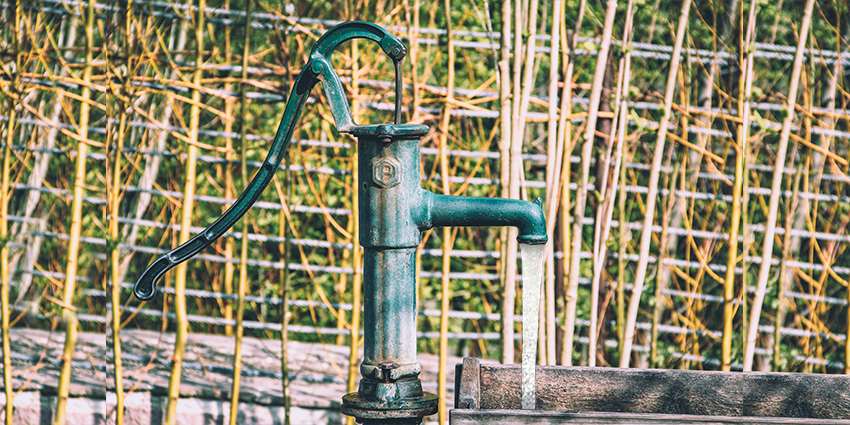
For the month of March, we are spotlighting our groundwater programs, which include the Texas Well Owner Network (TWON), the Ogallala Aquifer Program (OAP), the Ogallala Water Coordinated Agricultural Project (Ogallala Water CAP) and the Transboundary Water Portal. Texas Well Owner Network Helping to protect Texas’ groundwater resources, TWON has Well Informed screenings and Well Educated training courses offered by the Texas A&M AgriLife Extension Service…
-
Texas Water Journal selects Cough-Schulze as managing editor
The Texas Water Journal Board of Directors has selected Chantal Cough-Schulze as its new managing editor, according to Dr. Todd Votteler, the journal’s editor-in-chief. Cough-Schulze, a communications specialist for the Texas Water Resources Institute (TWRI), will work with the editors and authors to move the papers through the submission, editing and layout process. Cough-Schulze replaces Kathy Wythe, who recently retired…

-
Meet a scientist: Zhuping Sheng
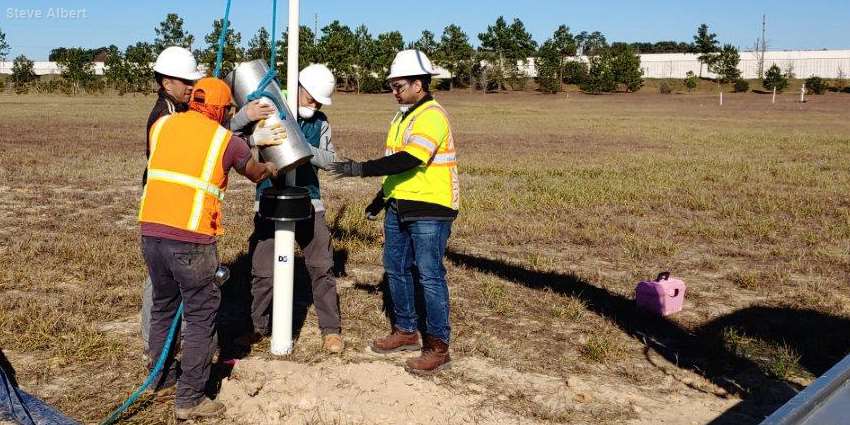
Article originally written by Kerry Halladay Using technology and engineering to give good, practical answers to water users’ questions is one of the joys of the job for Dr. Zhuping Sheng. As the center director of the Texas A&M AgriLife Research Center at El Paso, Sheng oversees operations and supports faculty members in their research programs. These…
-
Texas Water Journal publishes new article in Volume 11
The Texas Water Journal published the second paper for the Volume 11, Number 1, 2020 issue: an article titled “Oilfield Water Infrastructure Connectivity: The Case for a ‘Hydrovascular’ Network in the Permian Basin,” by Gabriel Collins. The paper focuses on the current phase of oilfield water infrastructure buildout in the Permian Basin. According to the abstract, a hydrovascular grid…
-
POSTPONED: Water well owner trainings set for March 23, 24
Texas Well Owner Network trainings scheduled for March 23 in Bandera and March 24 in Bulverde have been postponed. The Texas Well Owner Network (TWON) program is an educational training offered by the Texas A&M AgriLife Extension Service in cooperation with the Texas State Soil and Water Conservation Board and other partner agencies and organizations. The Well Educated trainings are free…

-
CANCELED: Urban stream processes, restoration training set for March 18 in Austin
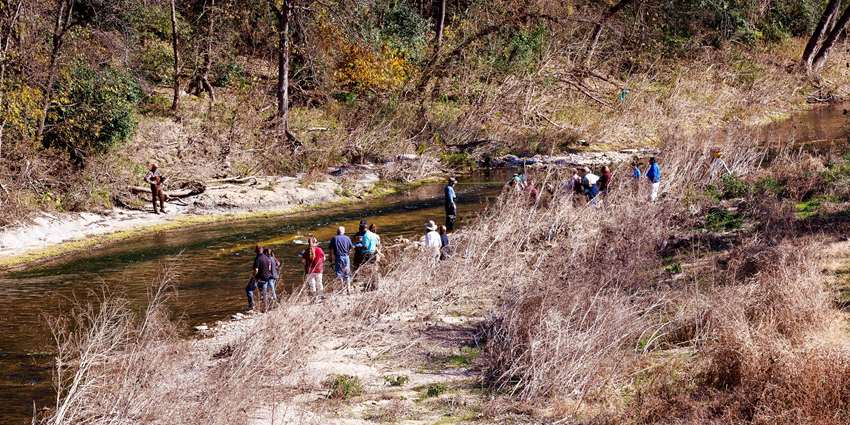
The morning session will be at the Texas Parks and Wildlife Department office, 4200 Smith School Road. The afternoon session will be outdoors along Williamson Creek where participants will learn stream surveying techniques. Workshop presentations will be given by representatives of TWRI and Texas A&M AgriLife Research. Early registration is encouraged as the workshop is limited…
-
Meet a scientist: Emily Monroe
Article originally written by Chantal Cough-Schulze Emily Monroe wants to give people access — to the right tools, information and support. As a Texas A&M AgriLife Extension Service program specialist for the Texas Water Resources Institute (TWRI), Monroe connects the public with what they need, from educational events to septic systems, to accomplish their goals. Monroe didn’t always want to…

-
Natural Resources Training Courses Update newsletter published
The Texas Water Resources Institute has published the newsletter, Natural Resources Training Courses Update, with a list of scheduled trainings for 2020. The February 2020 newsletter details multiple Urban Stream Processes and Restoration Trainings, Riparian and Stream Ecosystem Trainings, and the following events: Social Marketing for Natural Resources Professionals, Texas Watershed Coordinators Roundtable, Introduction to Watershed…
-
Partnership coordinates septic system repair, replacement
The Texas Water Resources Institute (TWRI) has been working with the Attoyac Bayou Watershed Partnership for the past decade to improve water quality, which includes repairing and replacing septic systems. Emily Monroe, TWRI extension program specialist, said humans have been a major contributor of bacteria in the Attoyac Bayou watershed through failing or nonexistent septic systems. “Home septic systems…

-
USGS adds mapping tool showing daily ‘natural water storage’
The National Integrated Water Availability Assessments concept map by the U.S. Geological Survey (USGS) shows the latest available daily estimate of natural water storage in the continental-United States relative to historical conditions, according to USGS. The daily estimates are developed by collecting precipitation and temperature weather data for a complete day. The ‘natural water storage’ represented on…


