Tag: txh2o
-
50th Anniversary
First established in 1952, TWRI was designated as the water resources institute for the state of Texas in 1964 by the Texas Legislature and Texas Governor after Congress passed and President Lyndon B. Johnson signed into law the Water Resources Research Act (WRRA) of 1964. “Abundant, good water is essential to continued economic growth and progress,” said…

-
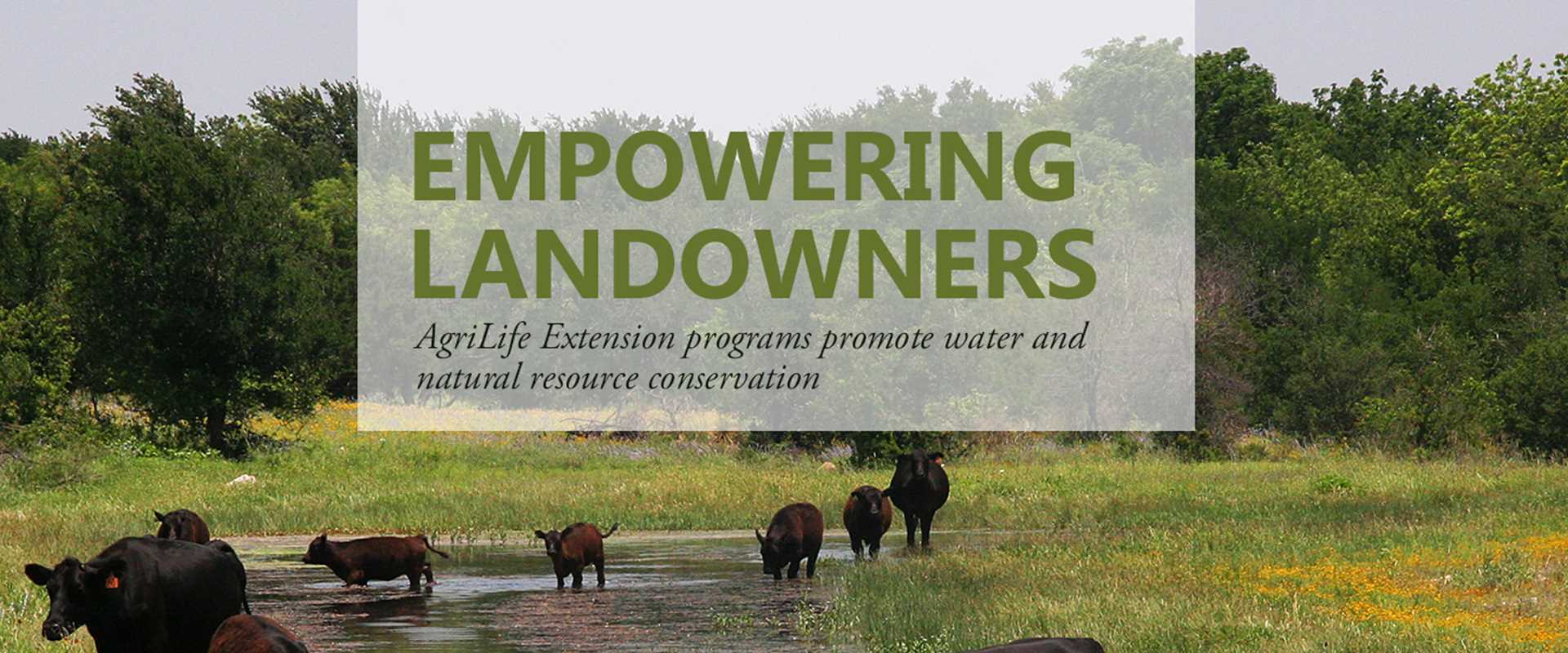
Empowering Landowners
By Sara Carney When it comes to land stewardship, education is essential to implementing best management practices (BMPs) on private lands. Educational programs not only foster awareness of conservation issues and provide landowners with the information necessary to adopt BMPs, but they also empower and inspire landowners to preserve natural resources. The Texas A&M AgriLife Extension…
-
Learn, See, Engage
For years, natural resources professionals have worked to bridge the gap between research and application by establishing proven best management practices (BMPs) that benefit farms, ranches and working lands as well as improve water quality and quantity. But what motivates some landowners to adopt these practices while others do not? Looking at three different scenarios…

-
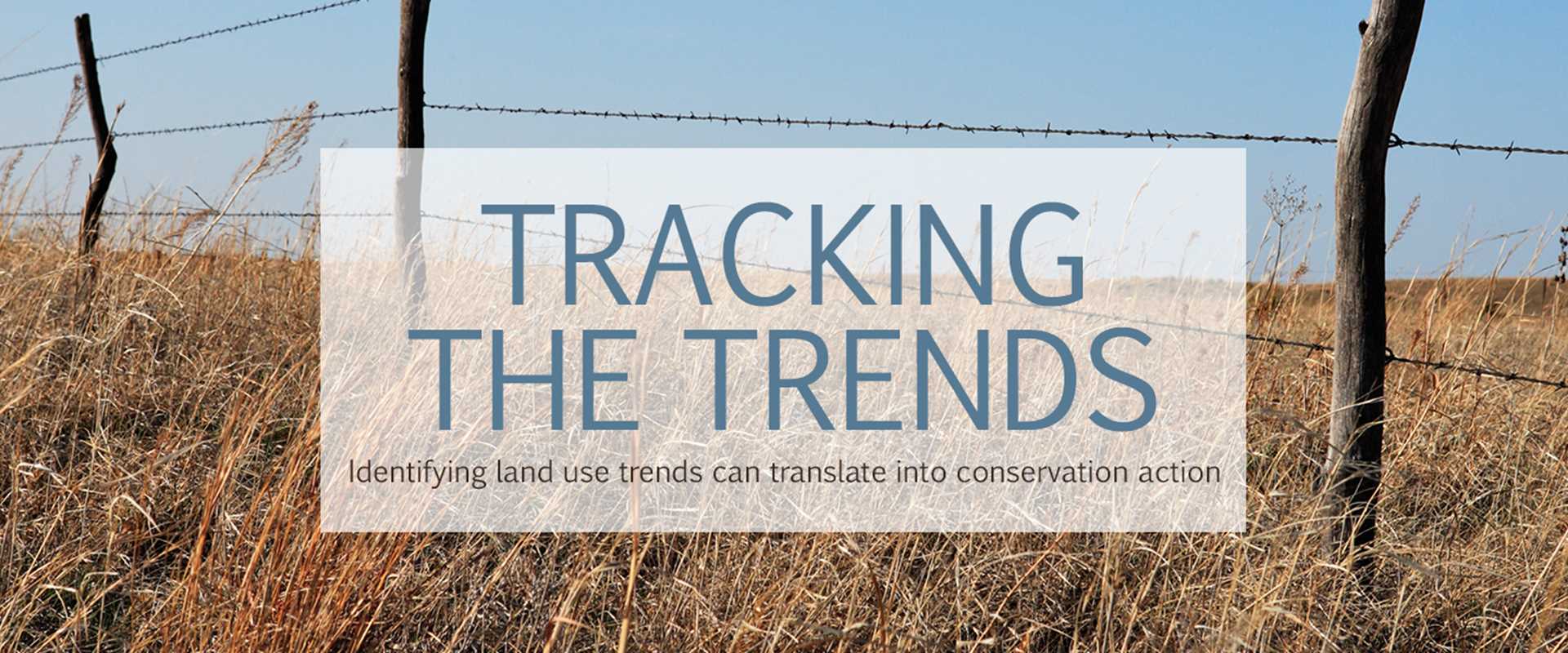
Tracking the Trends
By Amy Buice and Kathy Wythe If Texans knew the threat that rural land loss and fragmentation posed to their water supplies and recreational activities, would they be more willing to protect those lands and would decision-makers be more likely to support financial incentives for the conservation of those lands? Through Texas Land Trends, the Texas A&M…
-
Committed to Conservation
By Leslie Lee In a state where rainfall is often unpredictable and generating income from wildlife or agriculture can be risky business, the challenge of conserving rural land and water resources is a passion project for many Texas landowners. “If I was a billionaire, I would buy as many ranches as I could and preserve…

-
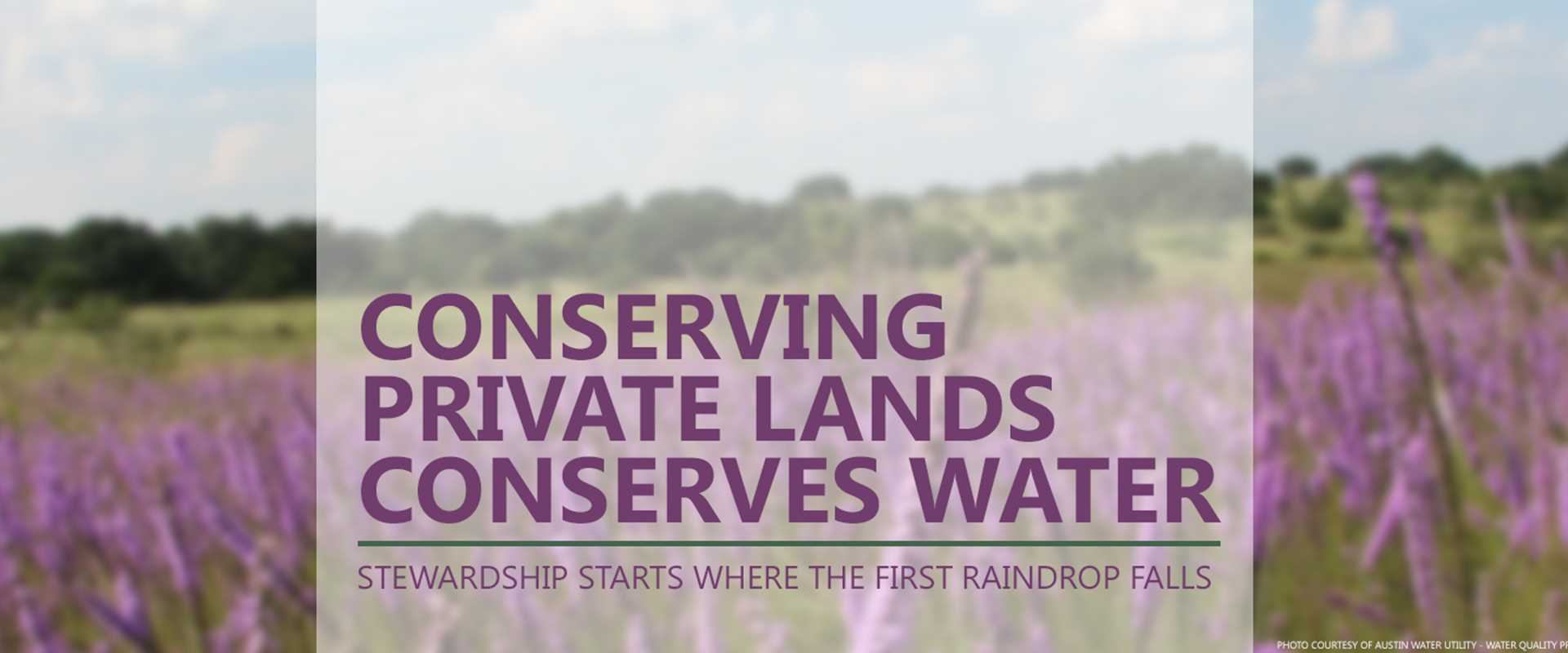
Conserving Private Lands Conserves Water
Former President and Texas native Lyndon B. Johnson once said: “Saving the water and the soil must start where the first raindrop falls.” In Texas, where about 95 percent of the land is privately owned, and 83 percent of that land is rural farms, ranches and forests, it is essential that all Texans understand the…
-
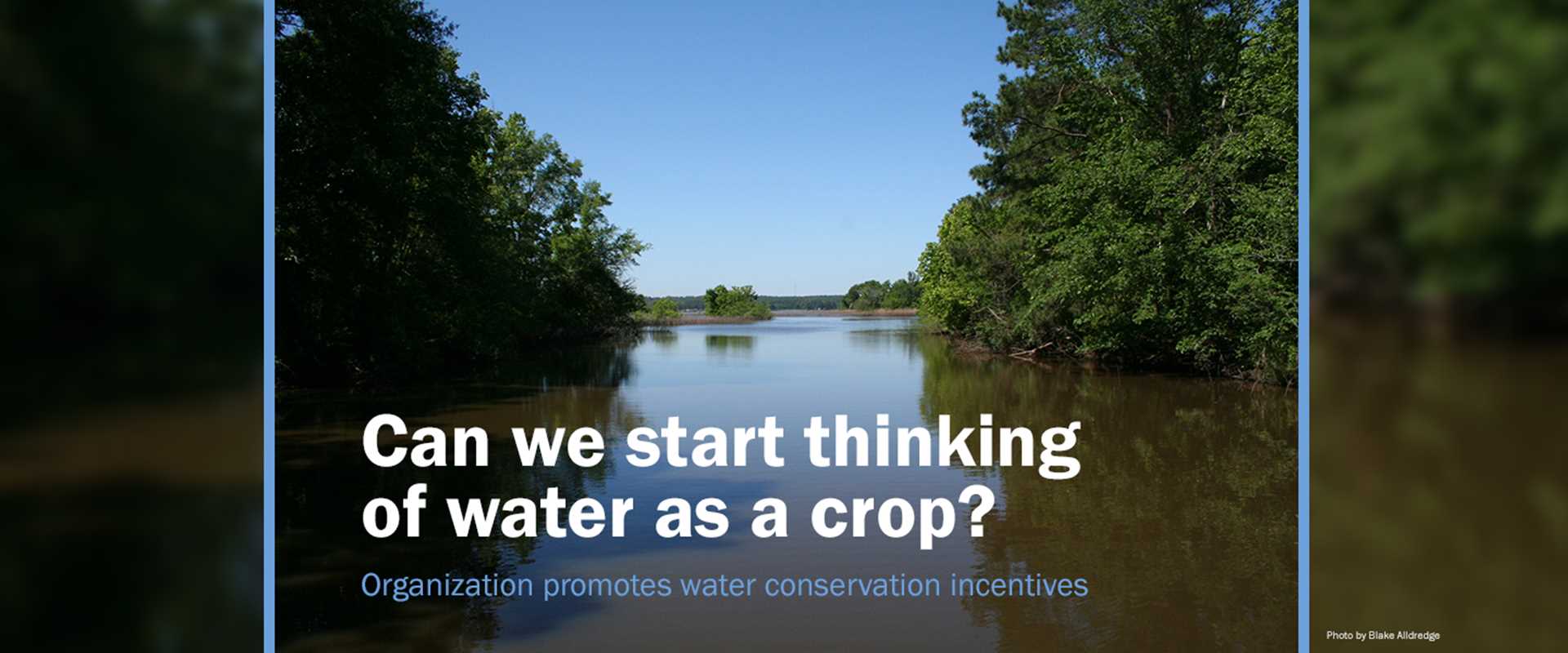
Can we start thinking of water as a crop?
By Sara Carney Water is not traditionally thought of as a crop, but Water As A Crop® and its partners are hoping to change that. This organization promotes the idea that water falling on private, rural land can be effectively conserved and marketed in a manner similar to crops. In exchange for implementing conservation practices, rural landowners…
-
Did You Know? Q&A with Tiffany Dowell
By Tiffany Dowell Editor’s Note: txH2O asked Tiffany Dowell, assistant professor and Texas A&M AgriLife Extension Service specialist focusing on agricultural law, to answer some questions about groundwater law for our readers. To read more, follow Dowell’s blog, Texas Agricultural Law. Who owns groundwater in Texas? Landowners in Texas own the water beneath their property. Moreover,…

-
Texas Well Owner Network
In Texas, the management of domestic drinking water wells is the responsibility of the landowners, which can create questions about how to protect well water quality and quantity, as well as how to deal with drought and other issues. The Texas Well Owners Network (TWON) provides landowners with answers. “The TWON program is the groundwater quality education…

-
Texas Groundwater Administration
There are two main parts of the complex, multi-faceted process that is groundwater administration in Texas: the management side and the planning side. It’s the intersection of the two that is presenting some potential hiccups as the 2017 state water plan is being compiled, according to experts. Texas groundwater management history Beginning with the…