Tag: txh2o
-
txH2O highlight: Texas is vulnerable to climate change
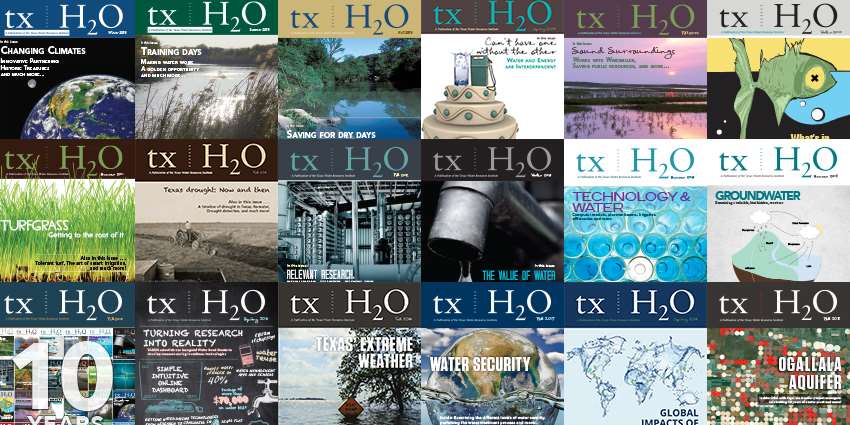
April’s txH2O highlight is about the predictions of climate change impacts in Texas. The article, Texas is vulnerable to climate change, from the winter 2008 climate change issue, mentions future challenges resulting from increased populations, hotter temperatures and high greenhouse gas emissions. Two Texas A&M researchers were interviewed about the vulnerabilities Texas may face because of the changing…
-
txH2O highlight: Underground and Under Scrutiny
This month’s txH2O highlight was chosen with Groundwater Awareness Week (March 11-15) in mind. Underground and Under Scrutiny from the Summer 2014 groundwater issue of txH2O examines the options for keeping the growing number of residents in Texas supplied with water. Groundwater is a major water supply source for residents in Texas, but groundwater supplies are projected to decrease because of depletion from…
-
txH2O highlight: Breaking Barriers
This month’s txH2O highlight focuses on a Texas wetland restoration project. The saltwater marsh, known as Magic Ridge Marsh in Magnolia Beach, Texas, covers roughly 14 square miles, stretching from Magnolia Beach to Indianola in Calhoun County. These wetlands connect to Matagorda Bay, but blocked tidal flow caused steady degradation to Magic Ridge Marsh, leading to large…
-
A look back: txH2O Highlights
txH2O, a biannual magazine publication of the Texas Water Resources Institute (TWRI) since 2005, features stories on current water resources research and outreach programs and priority water issues facing Texas. This month, Conservation Matters is beginning a new series, txH2O Highlights, that looks back at some of the previous articles that are still relevant today. Our first txH2O Highlight is an…
-
Engineer + Conservationist
As an engineer, Jackson believes it is particularly important to engage with the engineering community because “they are the boots on the ground” for helping communities move forward with addressing aging infrastructure or building out new projects. Path to the board Jackson’s path to serving as the engineer on the board began in Beaumont, Texas.…

-
10 Challenges of Water Utilities
The challenges 1. Aging infrastructure The American Water Works Association (AWWA)’s 2018 survey of water industry professionals lists renewal and replacement of aging water and wastewater infrastructure as the top issue facing the water industry. Dr. Ali Mostafavi, assistant professor in Texas A&M University’s Zachry Department of Civil and Environmental Engineering and director of the Urban Resilience,…
-
Water, but No Workers
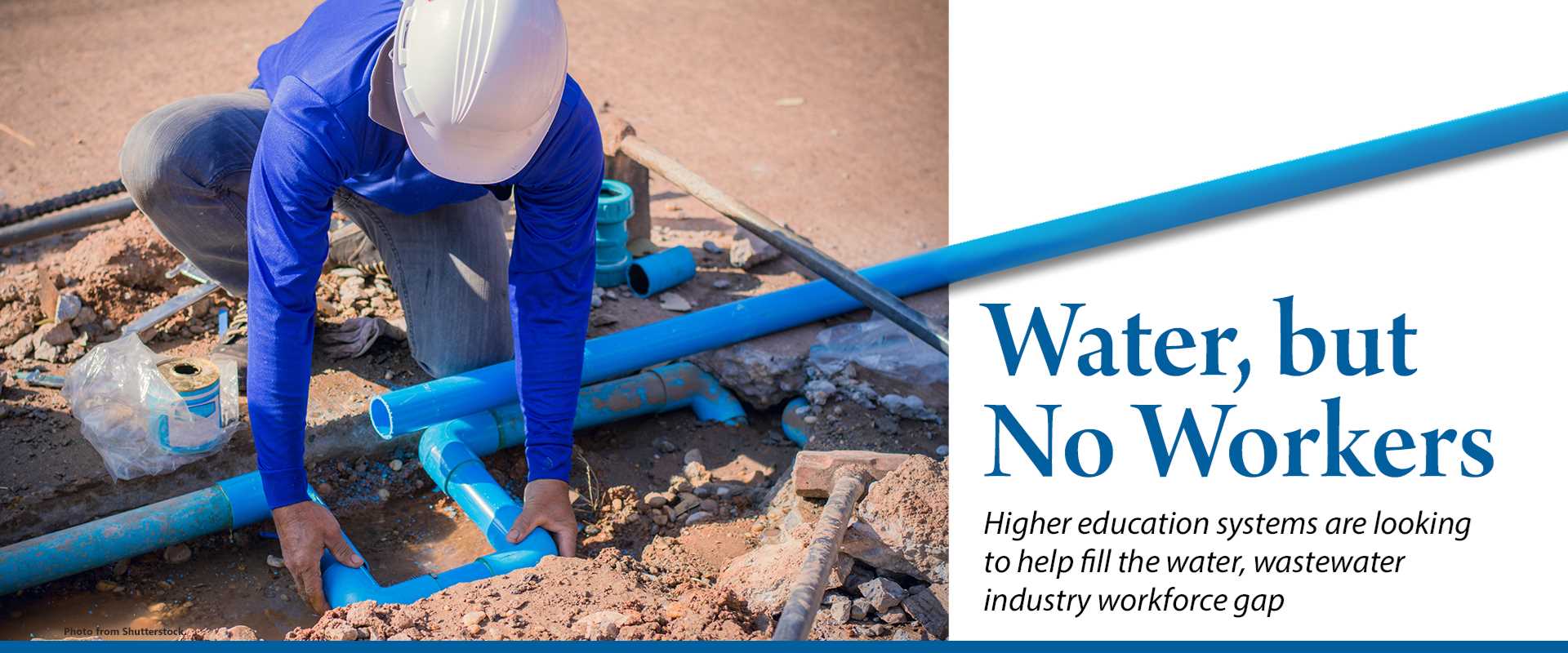
The Bureau of Labor Statistics has projected that 8.2 percent of existing water operators will need to be replaced annually between 2016 and 2026. “Forum participants also identified another major issue: the general failure of post-secondary educational institutions to supply workforce-ready graduates for Texas’ evolving urban and rural water sectors,” Rosen said. Not enough workers are…
-
Giving water and upgrade
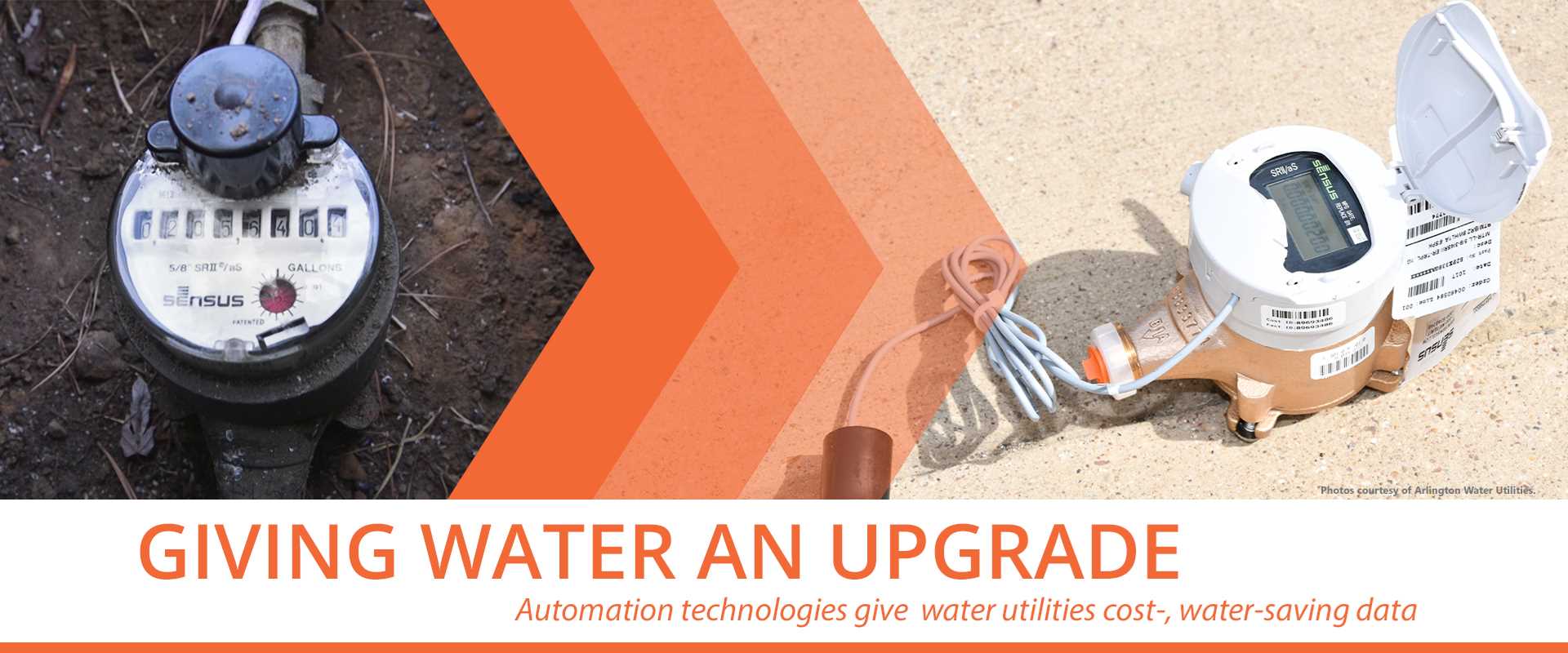
Instead of a meter reader visiting each home, the AMI system transmits readings throughout the day over a secure radio network to the water utilities, providing them with data about the customer’s water consumption. Customers in cities where AMI has been installed can access digital readings of their meters online to monitor their water use.…
-
Wearing Multiple Hats
Dorothy Young, program specialist with the Texas Commission of Environmental Quality (TCEQ), agreed. “With smaller water systems, it’s a matter of running it like a business, having the funds and the planning and keeping on a path of compliance,” Young said. “They don’t have the same budget. They don’t have the same resources as larger systems or…
-
Investing in H2O
“In the United States, it disproportionately falls on state and mostly local governments to identify what infrastructure requirements are needed, both for new construction and maintenance of existing infrastructure, and to develop ways to finance those projects,” Greer said. There are limited funds through the federal government to pay for infrastructure. For instance, the Water Infrastructure…